MBA Student Turns Trash Into Clean Energy for Caribbean
Alecia Asiamigbe just graduated from MIT with a renewable energy company that converts organic waste into natural gas, bringing reliable power to islands dependent on expensive imported fuel. Her venture, Resilient Grid, tackles climate change while strengthening energy security in vulnerable communities.
After two decades building energy infrastructure, Alecia Asiamigbe saw a problem that kept her up at night: island nations paying sky-high prices for imported fuel while their organic waste piled up in landfills, releasing methane into the atmosphere.
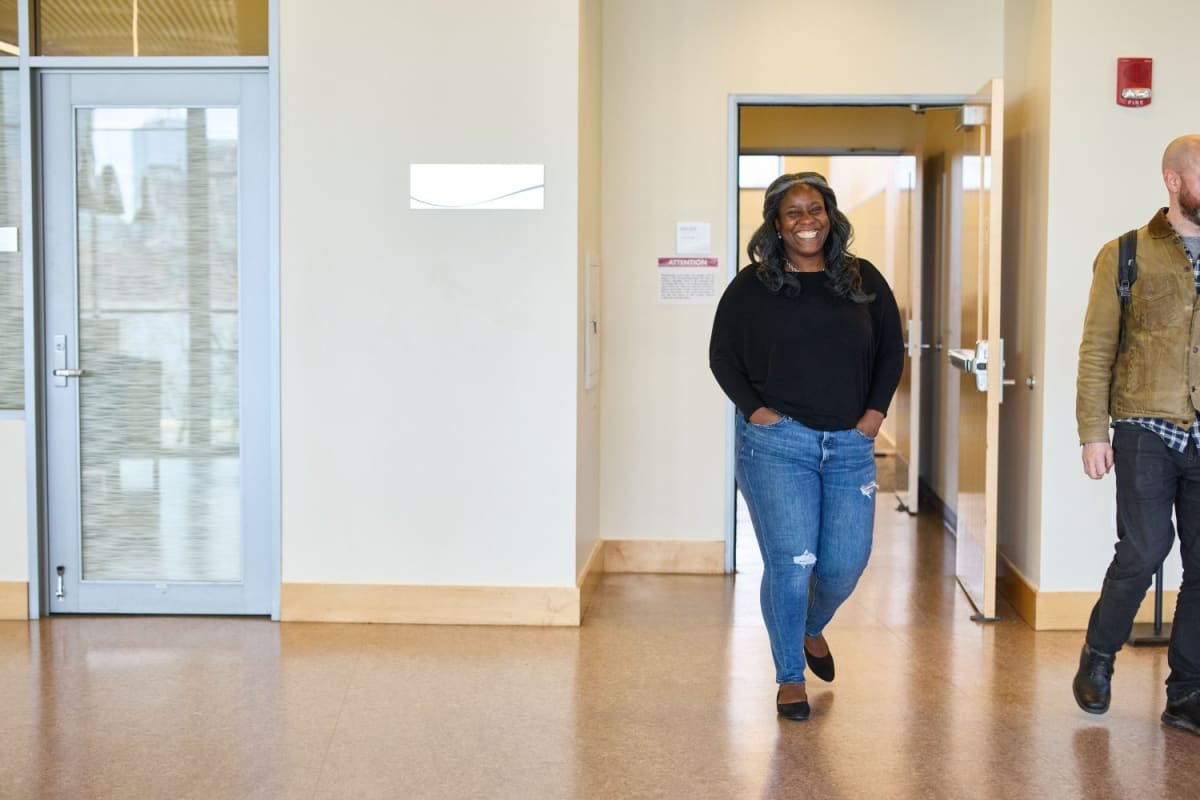
This week, she graduated from MIT Sloan with more than an MBA. She's launching Resilient Grid, a renewable energy company that turns garbage into power.
The concept is elegantly simple. Resilient Grid captures organic waste that would normally rot in landfills and converts it into sustainable natural gas. That gas produces reliable electricity for communities where solar and wind alone can't meet demand, especially after dark or on calm days.
For fuel-dependent markets like Caribbean islands, this means dramatically lower energy costs and freedom from volatile global oil prices. The modular systems can be scaled to fit each community's needs.
Asiamigbe chose MIT specifically for its Disciplined Entrepreneurship framework and climate-focused resources. The one-year MBA program let her move fast, and she packed her schedule with courses directly supporting her venture, from grid optimization to financial decision-making.
The Martin Trust Center for Entrepreneurship became her second home. "The resources and mentorship transformed an embryonic venture into something tangible," she says. Support from MIT's entrepreneurship ecosystem, including the PKG Center and MIT Sandbox, gave her both business skills and the resilience needed for the startup journey.
The Ripple Effect
Resilient Grid delivers a triple win. It diverts waste from landfills, captures methane that would otherwise warm the planet, and produces useful byproducts for circular economic development. Communities gain energy independence while fighting climate change.
For Asiamigbe, this work runs deeper than business metrics. "My work in sustainability is deeply rooted in my need to give back to the community and to be an agent for systems-level change," she explains. She's driven by a question that guides every decision: "Knowing that we want better for our grandchildren, what will we do differently?"
Her approach tackles two challenges simultaneously: providing innovation opportunities to communities currently left out of the clean energy transition, and stopping environmental damage before it's irreversible.
The technology addresses a critical gap in renewable energy. Solar and wind are essential but inconsistent. Resilient Grid's dispatchable power fills those gaps with energy that's both clean and reliable, making it easier for grids to transition away from fossil fuels completely.
Islands and fuel-dependent regions now have a path forward that doesn't force them to choose between affordability and sustainability.
Based on reporting by MIT News
This story was written by BrightWire based on verified news reports.
Spread the positivity!
Share this good news with someone who needs it