McGill Scientists Cut Cancer Treatment Side Effects
Researchers engineered tiny nanoparticles that activate cancer drugs only in diseased lymph nodes, dramatically reducing harmful side effects while improving treatment effectiveness. The breakthrough could allow patients to receive stronger, more effective doses without the toxic reactions that force many to stop therapy.
Scientists at McGill University just solved one of cancer treatment's cruelest ironies: the drugs designed to save lives often make patients so sick that doctors must lower the dose or stop treatment entirely.
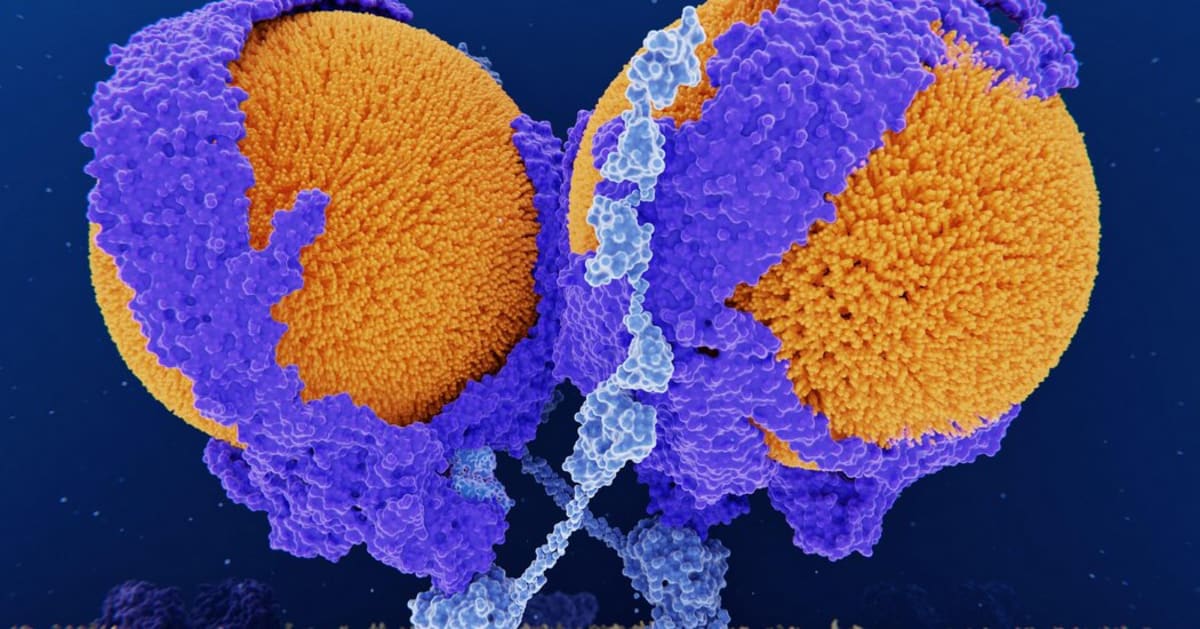
The team developed nanoparticles so small they travel invisibly through the bloodstream, carrying cancer immunotherapy drugs directly to lymph nodes affected by disease. Once there, the particles detect a specific molecule abundant in cancerous tissue and release the medication exactly where it's needed.
In healthy tissues, the drug stays locked inside the nanoparticles and eventually breaks down harmlessly. That precision matters because current immunotherapy treatments flood the entire body through IV infusion, triggering severe immune responses in healthy organs.
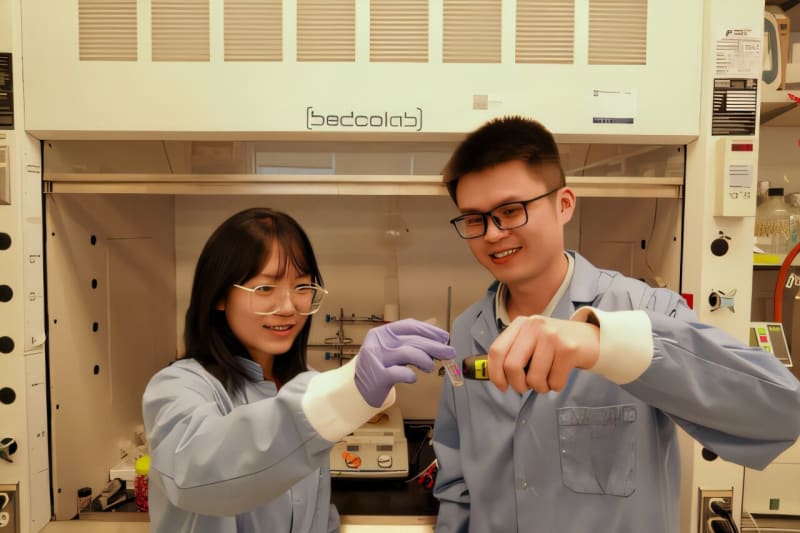
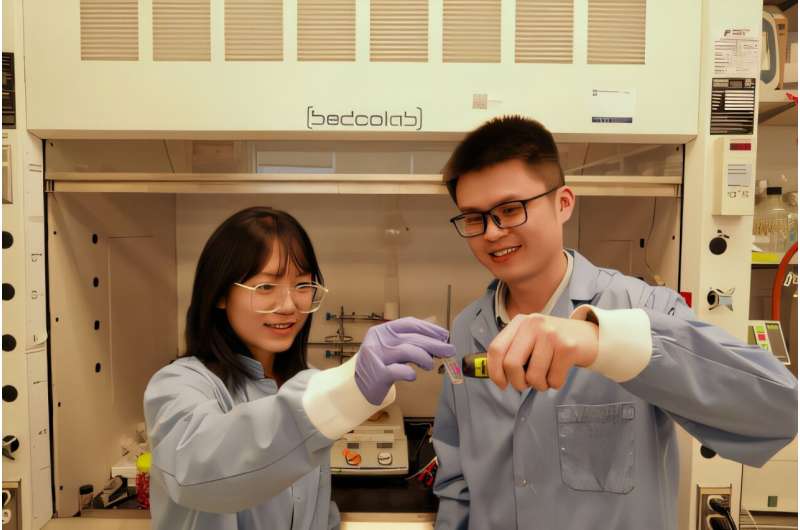
"Some immunotherapies cause such severe side effects that clinicians are forced to lower the dose, making treatment less effective," said Dr. Guojun Chen, Assistant Professor in McGill's Department of Biomedical Engineering. "Our approach could allow for higher, more effective doses while limiting toxicity."
Tests in mouse models showed the nanoparticles reduced harmful side effects and worked better than standard IV immunotherapy. The difference is especially important for cancer that has spread to lymph nodes, which doctors currently treat by surgically removing the affected nodes and weakening the patient's immune system in the process.
First author Yueyang Deng, a postdoctoral researcher at McGill, emphasized the importance of preserving these essential immune organs. "Lymph nodes are essential immune organs," she said. "With this approach, we can potentially treat the disease while preserving the immune system's normal function."
The Ripple Effect
This breakthrough represents a broader shift in cancer research, where engineering and biology are converging to create smarter treatments. The same technology that powered mRNA COVID vaccines now enables microscopic delivery systems that can sense their environment and respond accordingly.
The implications extend beyond this single treatment. If nanoparticles can be programmed to detect cancerous lymph nodes, the same principle could apply to other hard-to-reach cancers or diseases where precision matters more than brute force.
The McGill team is now conducting additional preclinical safety studies before moving toward clinical trials. The work, published in the Proceedings of the National Academy of Sciences, offers hope to the millions of cancer patients who face an impossible choice between enduring devastating side effects or receiving inadequate treatment.
Cancer treatment is getting smarter, one tiny particle at a time.
More Images


Based on reporting by Phys.org
This story was written by BrightWire based on verified news reports.
Spread the positivity!
Share this good news with someone who needs it