Medellin Biotech Summit Sparks Innovation Across Latin America
A 2025 conference in Medellin connected scientists, startups, and businesses to solve real problems in farming, health, and food using biology. The event's collaborations are now turning into products that could help millions across Latin America.
When scientists, entrepreneurs, and students gathered in Medellin last September, they weren't just talking about the future of biotechnology. They were building it, one connection at a time.
The XII Encuentro REDBIO 2025 brought together Latin America's brightest minds at EAFIT University to tackle problems that affect daily life: how to grow more food without harming the environment, how to catch diseases earlier, and how to turn agricultural waste into valuable products. Unlike typical academic conferences, this one mixed lab researchers with business leaders and everyday citizens who wanted to understand how biology could improve their communities.
The timing mattered. Medellin has grown into Colombia's innovation capital, making it the perfect place to address climate change, food security, and health access across the region.
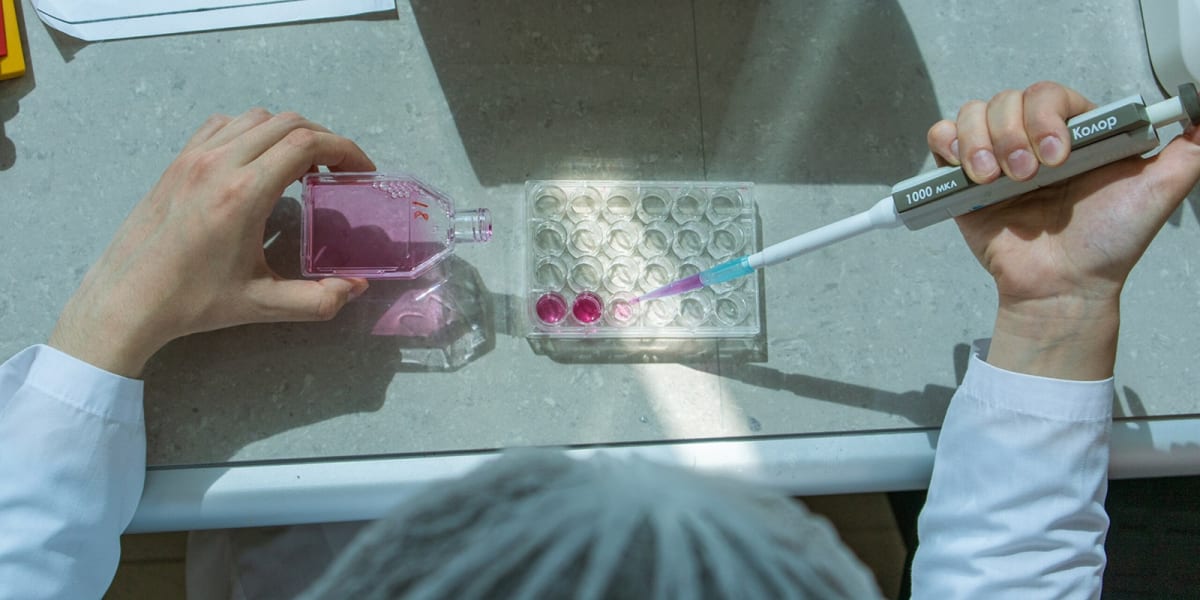
Attendees explored practical applications that sound complex but solve simple problems. Microbiome research, for example, studies helpful bacteria in soil that can boost crops naturally without chemical fertilizers. Fermentation sessions showed how controlled microbes create foods that last longer and pack more nutrition, helping families stretch their budgets and eat healthier.
The health track focused on faster, cheaper ways to prevent illness. New vaccines and diagnostic tools mean catching diseases early, when treatment is simpler and more affordable for ordinary families who can't afford lengthy hospital stays.
What made REDBIO different was its commercial side. Companies and startups showcased working technologies, not just ideas, looking for partners to scale up. BioConexion ran like a business matchmaking service, connecting projects that had real prototypes with investors and manufacturers ready to bring them to market.
The event required presenters to show "TRL 7 or higher," meaning their innovations had to work in real settings, not just lab experiments. Speakers got 15 minutes to make their case, pushing everyone to focus on results over theory.
The Ripple Effect
The real magic happened in the spaces between sessions. Colombian students met regional industry leaders without needing expensive international trips. Research teams from different countries discovered they were solving similar problems and could share methods. Startups found suppliers, universities found industry partners, and investors found projects worth funding.
These connections are already bearing fruit in 2026. Several collaborations launched during REDBIO have moved from conversation to pilot programs, testing new agricultural methods on real farms and new diagnostic tools in actual clinics.
The event built on REDBIO's decades-long tradition of regional cooperation, proving that biotech breakthroughs rarely come from lone geniuses. They come from chains of people sharing knowledge until something finally works outside the lab and reaches people who need it.
Medellin showed Latin America that biology-based solutions can create better crops, smarter food production, cleaner factories, and faster healthcare when the right people work together.
More Images
Based on reporting by Regional: colombia innovation (CO)
This story was written by BrightWire based on verified news reports.
Spread the positivity!
Share this good news with someone who needs it