Medellín Welcomes 1.2M Visitors After Decades of Renewal
Once known for violence, Colombia's second-largest city now attracts over 1.2 million international tourists annually through innovative urban renewal and sustainable tourism. The transformation from danger to destination shows how cities can rewrite their futures.
Medellín, Colombia just proved that cities can completely rewrite their stories.
The city that was once synonymous with drug cartels and violence welcomed over 1.2 million international visitors in 2025, an 11.7% jump from the previous year. This isn't just a tourism win; it's proof that deliberate investment in people and infrastructure can transform a city's entire identity.
The turnaround started with bold moves to connect divided communities. Medellín built an innovative metro system and cable cars that linked marginalized hillside neighborhoods to the city center, reducing inequality while improving mobility. Public libraries, cultural centers, and community spaces followed, fostering social connection in areas once isolated by violence.
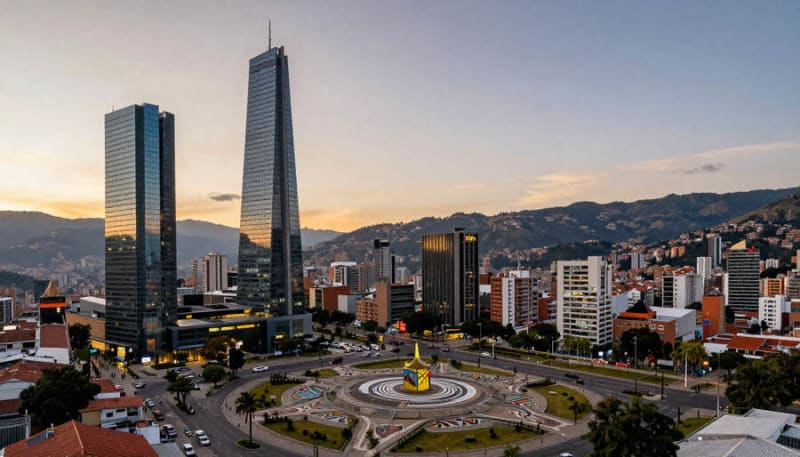
Today's Medellín offers visitors a city surrounded by Andes Mountains, filled with street art, world-class museums, and a thriving culinary scene. The mild climate and lush landscapes attract digital nomads and wellness tourists seeking authentic experiences over typical vacation packages. Popular annual events like the Flower Festival and Medellín International Film Festival draw international crowds celebrating the city's vibrant culture.
The city deliberately chose quality over quantity in its tourism strategy. Rather than chasing mass tourism, Medellín focused on sustainable growth through experiential tourism, eco-tourism, and wellness travel that respects local communities and preserves what makes the city special.
Nearby towns like Guatapé and Santa Fe de Antioquia offer additional adventures for visitors wanting to explore Colombia's natural beauty. The combination of urban innovation and outdoor living creates unique experiences that keep travelers coming back.
The Ripple Effect
Medellín's transformation extends far beyond tourism numbers. The same infrastructure projects that now attract visitors first served local residents, connecting communities that had been physically and economically separated. Jobs in tourism, hospitality, and cultural sectors have given thousands of people new opportunities in neighborhoods once written off as too dangerous.
The city's success offers a blueprint for other cities struggling with similar challenges. Investment in public transportation, cultural spaces, and community programs can rebuild trust and create economic opportunities while improving daily life for residents. When cities prioritize inclusion and connectivity, tourism becomes a natural byproduct of genuine urban health.
Medellín didn't hide from its painful past but instead used it as motivation to build something better. That honest reckoning, combined with sustained investment in people and places, created the foundation for lasting change that benefits both residents and visitors.
The city that once made headlines for violence now makes news for innovation, proving that no place is beyond transformation when communities commit to building a better future together.
More Images

Based on reporting by Regional: colombia innovation (CO)
This story was written by BrightWire based on verified news reports.
Spread the positivity!
Share this good news with someone who needs it
%2Ffile%2Fattachments%2Forphans%2FMLJoburg-91_220988.jpg)