Medical Volunteers Shape More Compassionate Young Doctors
Young doctors who volunteer in free clinics and community health programs learn to see patients as people, not numbers. This early experience builds lasting habits of compassion that transform how they practice medicine for life. ##
Medical students spend years mastering anatomy, memorizing drug interactions, and perfecting technical skills. But the doctors who truly change lives learn something else entirely: that healthcare is about serving people, not just treating conditions.
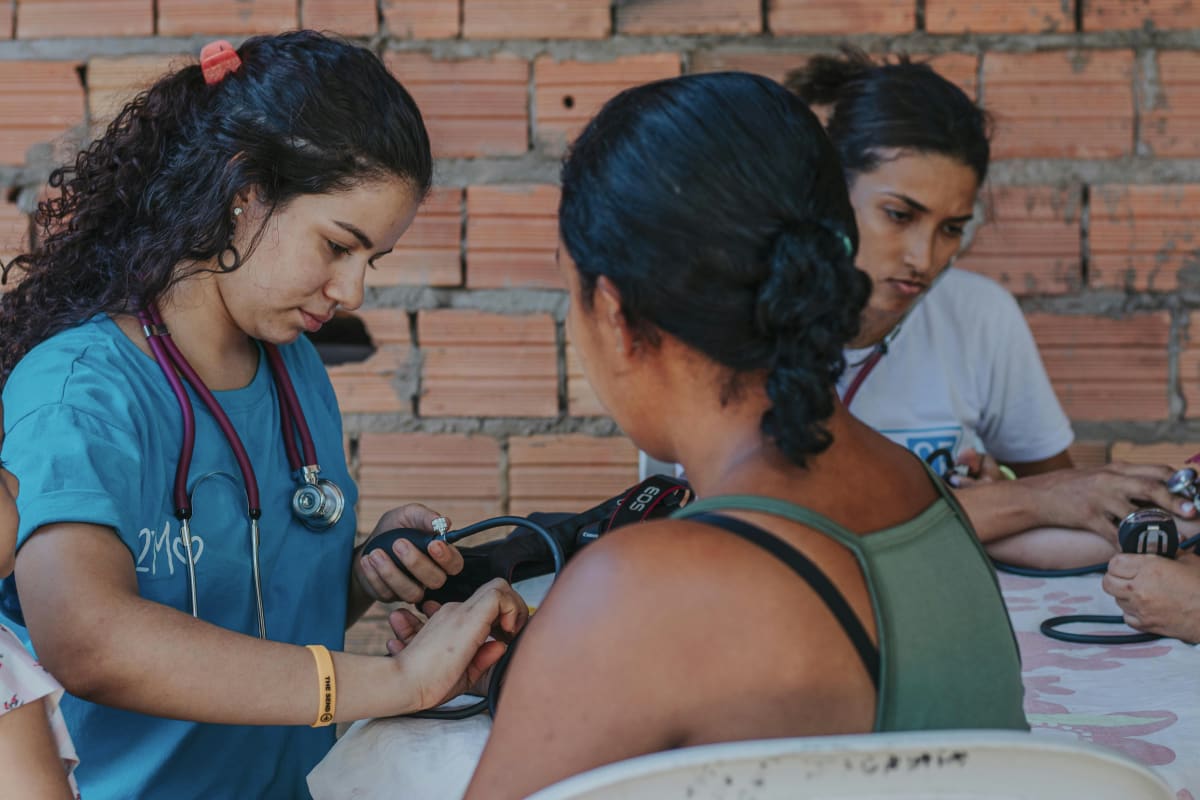
Medical philanthropy is quietly reshaping how young doctors approach their careers. When medical students volunteer at free clinics, health fairs, or rural outreach programs, they encounter families who skip medications to pay rent and parents who avoid hospitals because they fear crushing bills.
These experiences hit differently than textbooks ever could. A young doctor volunteering at a community health camp meets real patients facing impossible choices between medicine and groceries. That changes how they listen in exam rooms forever.
Dr. Seth Eidemiller argues that habits formed during medical training stick for life. Students who volunteer early often carry that service mindset throughout their careers. They stop seeing patients as chart numbers and start recognizing the stories, fears, and struggles behind every visit.
The impact goes beyond individual compassion. Young doctors learn that health outcomes depend on clean water, safe housing, education, and nutrition as much as prescriptions. When they partner with community organizations, they discover how healthcare actually works outside hospital walls.
The Ripple Effect
This early volunteer work plants seeds that grow into something bigger. A medical student helping at a small health screening today might create an entire community clinic years later. These doctors often choose to practice in underserved areas or champion affordable care programs.
Communities benefit too. When doctors volunteer at local events, residents see them as approachable neighbors rather than distant authority figures. Trust builds. People feel safer asking health questions, which leads to earlier treatment and better prevention.
Medical philanthropy also protects young doctors from burnout. The stress of medical training can feel overwhelming, but helping others reconnects doctors to their original purpose. Many say volunteer work feels more personal and less rushed than hospital duties, giving them space to remember why they chose medicine.
The transformation happens through mentorship too. When senior doctors volunteer regularly, students notice and follow. They learn that service isn't extra credit but part of professional life itself.
Medical schools are starting to recognize what communities have known all along: the best doctors combine scientific excellence with deep compassion, and that compassion grows through action, not lectures.
##
More Images



Based on reporting by Google: philanthropy gives
This story was written by BrightWire based on verified news reports.
Spread the positivity!
Share this good news with someone who needs it