Medicare Slashes Prices on 15 Drugs Starting 2028
Millions of Medicare patients will soon pay less for cancer treatments, diabetes medications, and other essential drugs thanks to new federal negotiations. The savings cover $27 billion in prescription spending across medicines that treat everything from chronic migraines to HIV.
Medicare just announced it will negotiate lower prices for 15 more prescription drugs, bringing relief to millions of seniors facing sky-high medication costs. The new deals, set to take effect in 2028, target some of the most expensive treatments Americans depend on every day.
This latest round of negotiations stems from the Inflation Reduction Act of 2022, which gave Medicare the power to bargain directly with drug manufacturers for the first time. The first round of price cuts already went into effect this year, and early results show real savings landing in patients' pockets.
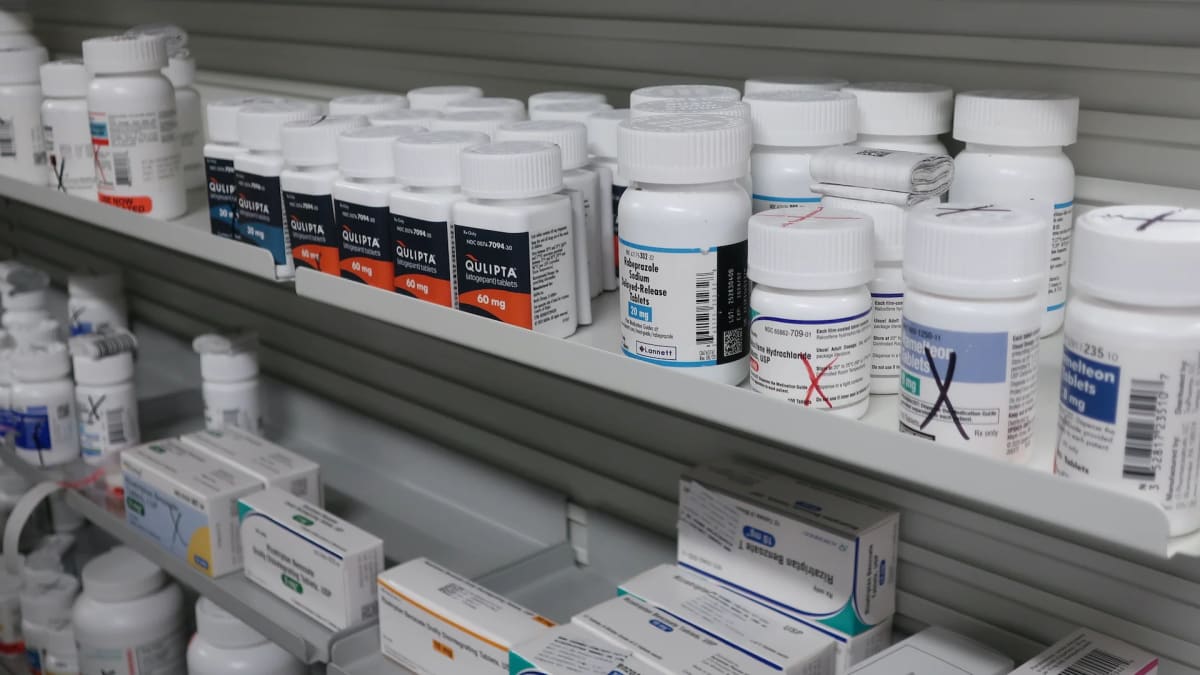
The 15 drugs on the negotiation list represent $27 billion in annual Medicare spending. They include four cancer treatments like Erleada for prostate cancer and Kisqali for breast cancer. Five medications treat autoimmune conditions like Crohn's disease and rheumatoid arthritis.
The list also covers crucial treatments for chronic conditions. Biktarvy helps people manage HIV, while Trulicity supports patients with type 2 diabetes. Even Botox made the cut, though Medicare only covers it for medical uses like chronic migraines, overactive bladder, and muscle spasms, not cosmetic procedures.
Drug manufacturers have until February 28 to decide whether they'll participate in negotiations. If they opt out, their medications get dropped from Medicare coverage, shutting them out of one of America's largest drug markets. So far, not a single drugmaker has walked away from previous negotiation rounds.
The Trump administration is also revisiting the price for Tradjenta, another diabetes medication from an earlier negotiation round. This follows recent announcements of lower costs for Ozempic and Wegovy, scheduled to begin in 2027.
The Ripple Effect
These negotiations do more than cut costs for individual patients. When Medicare secures lower prices, private insurance companies often follow suit, creating savings that spread throughout the healthcare system. Family members watching loved ones skip doses to stretch medications finally see a path forward.
The program sends a powerful message that affordable healthcare isn't just possible, it's happening. Each negotiation round builds momentum, proving that major institutions can work together to put patients before profits.
For the 65 million Americans on Medicare, these price cuts mean choosing between medication and groceries becomes a little less common, and peace of mind becomes a little more affordable.
More Images



Based on reporting by Medical Xpress
This story was written by BrightWire based on verified news reports.
Spread the positivity!
Share this good news with someone who needs it