Mediterranean Water Solutions Cut Climate Risks by 78%
Scientists reveal how water-focused strategies in the warming Mediterranean deliver wins for food, energy, and ecosystems all at once. Simple shifts like eating local diets and smarter farming are already working across the region.
The Mediterranean region is warming 20% faster than the rest of the planet, but scientists just mapped out the solutions that are already turning things around.
A new study published in Nature shows how putting water at the center of climate action creates wins across food production, clean energy, and healthy ecosystems simultaneously. Researchers from an international team, including Italy's CMCC climate research center, identified strategies already being tested across Mediterranean communities that tackle multiple problems at once.
The region faces serious challenges. Between 1962 and 2017, per person water availability dropped 78% in the Eastern Mediterranean and 68% in the Southern Mediterranean. When water disappears, everything else suffers: crops fail, energy systems struggle, and natural ecosystems collapse.
But here's the good news. The most effective solutions come from everyday choices, not just high-tech fixes.
Shifting toward traditional Mediterranean diets and cutting food waste delivered consistent benefits across all sectors studied. These behavioral changes require no new infrastructure and start working immediately.
Technology plays a supporting role too. Agrivoltaics, where solar panels share farmland with crops, generates clean energy without stealing space from food production. Agroecological practices like planting cover crops and intercropping save water while boosting biodiversity and maintaining yields. Reusing wastewater and managing soil organically improve both water security and ecosystem health.
"A water-centric nexus approach helps identify the interventions that generate the greatest mutual benefits across sectors," explains CMCC researcher Marta Debolini, who co-authored the study.
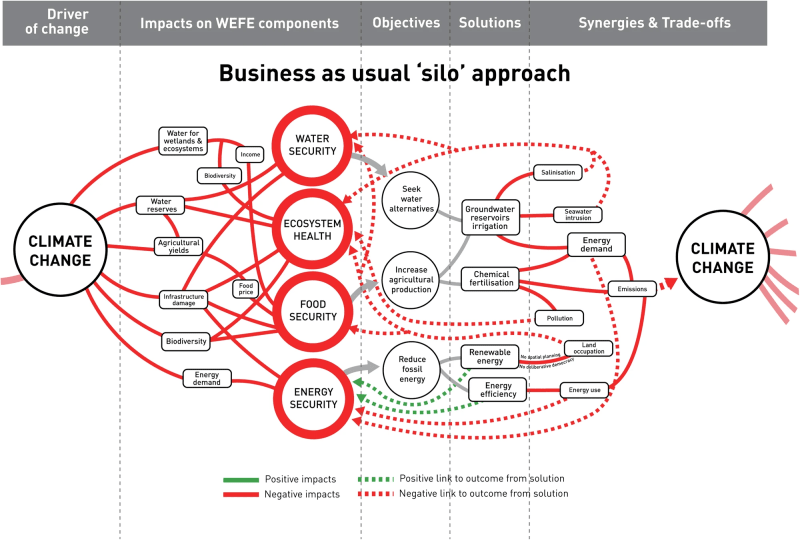
The research matters because traditional approaches that tackle problems one at a time often backfire. Fixing water shortages in isolation can accidentally harm food systems or damage ecosystems, creating new crises down the line.
The Ripple Effect
When solutions work across multiple sectors at once, they become more efficient and more likely to stick. A farmer who plants cover crops isn't just saving water. They're also feeding pollinators, enriching soil, reducing erosion, and maintaining crop yields for their family and community.
These integrated approaches offer a blueprint for other climate-stressed regions watching Mediterranean water levels drop. The strategies don't require waiting for new technology or massive funding. Communities can start implementing dietary shifts, waste reduction, and smarter farming practices today.
The study connects directly to the MEDECC expert panel's Special Report on the Water-Energy-Food-Ecosystems nexus, providing evidence for policymakers designing climate resilience plans.
Climate projections show agricultural output could decline 17% by 2050 without intervention, but the documented solutions offer pathways to reverse that trend while generating co-benefits across sectors.
Water scarcity might be the Mediterranean's biggest climate challenge, but it's also revealing the most powerful solutions.
More Images

Based on reporting by Google News - Climate Solution
This story was written by BrightWire based on verified news reports.
Spread the positivity!
Share this good news with someone who needs it