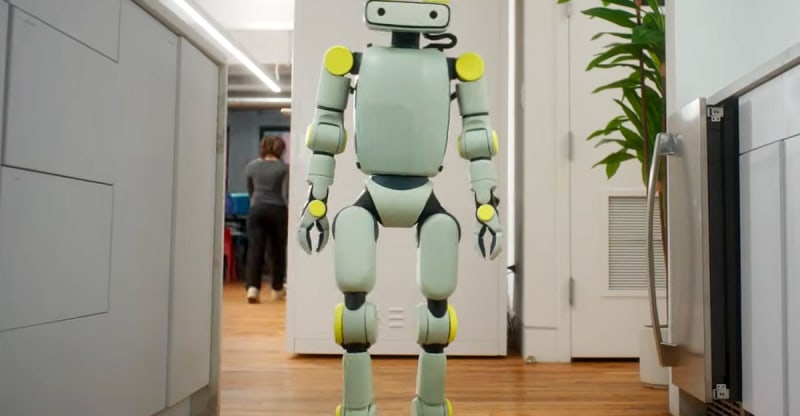
Meet Sprout: The 3.5-Foot Robot Built to Be Your Friend
A startup just unveiled a soft, huggable humanoid robot designed to work safely alongside humans. At $50,000, Sprout is helping researchers and developers skip the hard part and jump straight to innovation.
Imagine a robot that looks more like a helpful friend than a cold machine.
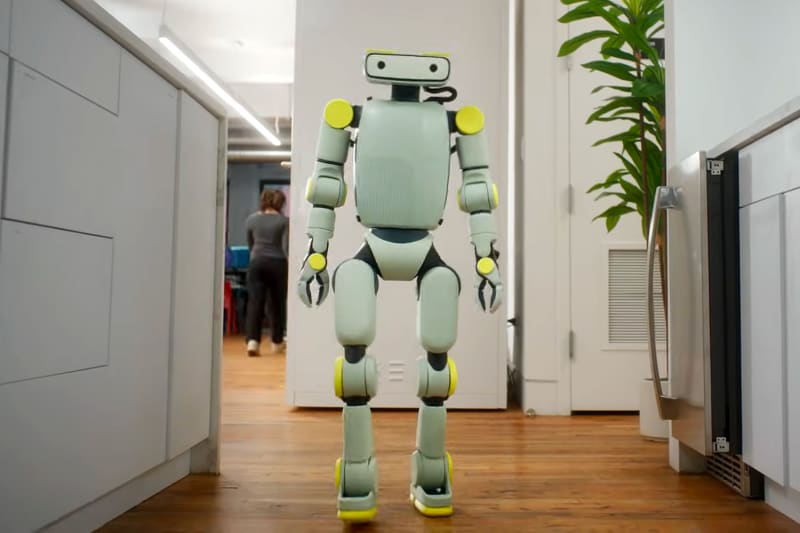
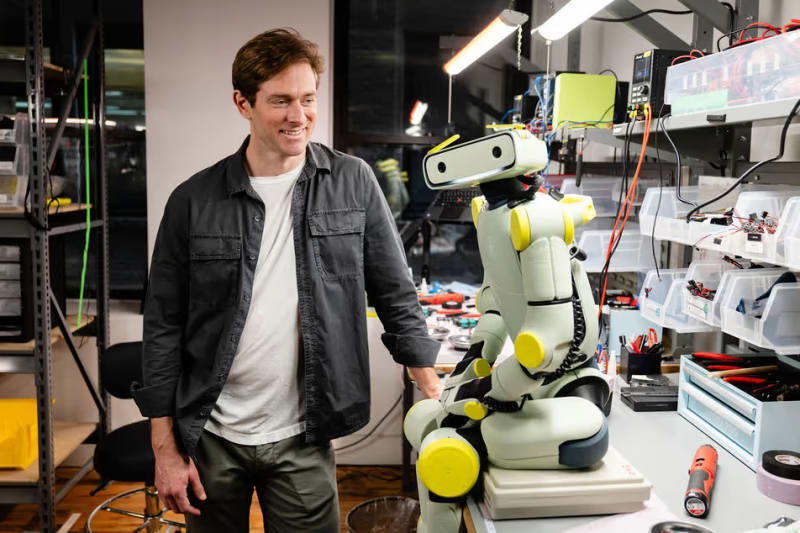
Fauna Robotics just revealed Sprout, a 3.5-foot-tall humanoid robot wrapped in soft foam padding and sporting expressive mechanical eyebrows. The startup spent two years designing a robot that's physically safe and socially approachable, drawing inspiration from beloved sci-fi companions like Baymax and Rosie Jetson.
Co-founder and CEO Rob Cochran wanted to create something different in the crowded humanoid robot market. While robots like Tesla's Optimus and Boston Dynamics' Atlas focus on factory work and heavy lifting, Sprout prioritizes human interaction and accessibility.
The robot's soft exterior has no sharp edges or pinch points. It's light enough for one person to carry and quiet enough not to startle anyone nearby. Those design choices make it safe for close collaboration with humans in labs, classrooms, and research facilities.
Sprout comes ready to work right out of the box. Its movement, perception, navigation, and expression systems are pre-programmed, so researchers and developers can focus on creating new applications instead of teaching basic functions. Universities and robotics tinkerers who lack resources to build their own humanoid platform now have an accessible entry point.
The Ripple Effect
Sprout represents a shift in how we think about robots entering our daily lives. Instead of designing machines that simply complete tasks efficiently, Fauna Robotics prioritized making technology that feels approachable and safe.
This philosophy could accelerate innovation across the robotics field. By providing a ready-made platform at $50,000, the company removes barriers for smaller research teams, universities, and independent developers who want to explore humanoid robotics without massive budgets.
The wider head and expressive features aren't just cute design choices. They're deliberate efforts to make human-robot interaction feel natural and comfortable, potentially smoothing the path for robots to become helpful assistants in homes, schools, and healthcare settings.
Sprout may not be folding laundry yet, but the foundation is there. As more developers gain access to approachable humanoid platforms, we're likely to see creative applications that prioritize collaboration over automation, companionship over efficiency.
A robot that invites interaction rather than intimidation could change how the next generation views artificial intelligence and robotics altogether.
More Images

Based on reporting by The Verge
This story was written by BrightWire based on verified news reports.
Spread the positivity!
Share this good news with someone who needs it

_07_03_2026_03_50_21_133108.jpg)