Melting Glaciers Create 71,000 New Lakes Worldwide
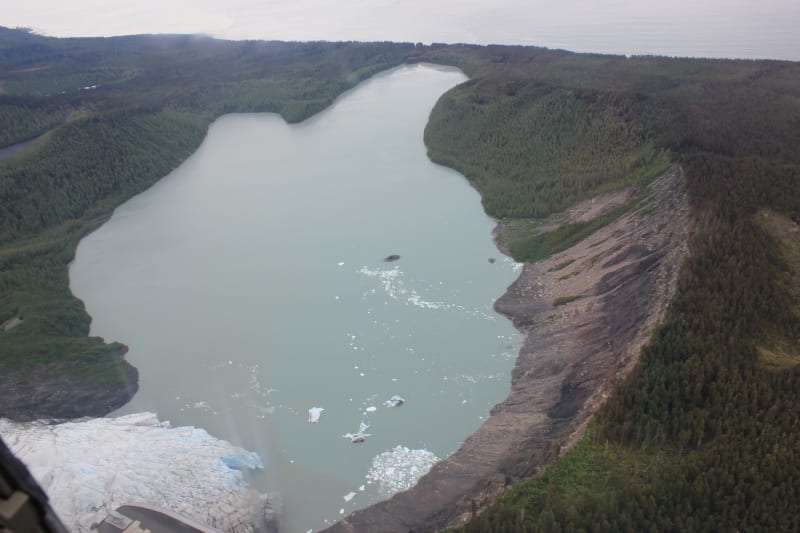
Scientists have mapped more than 71,000 glacial lakes that now hold enough fresh water to fill Lake Constance 40 times over. These growing water reservoirs could power homes, supply drinking water, and support unique ecosystems as climate change reshapes mountain landscapes.
Where glaciers once carved through valleys, a new source of hope is emerging from climate change.
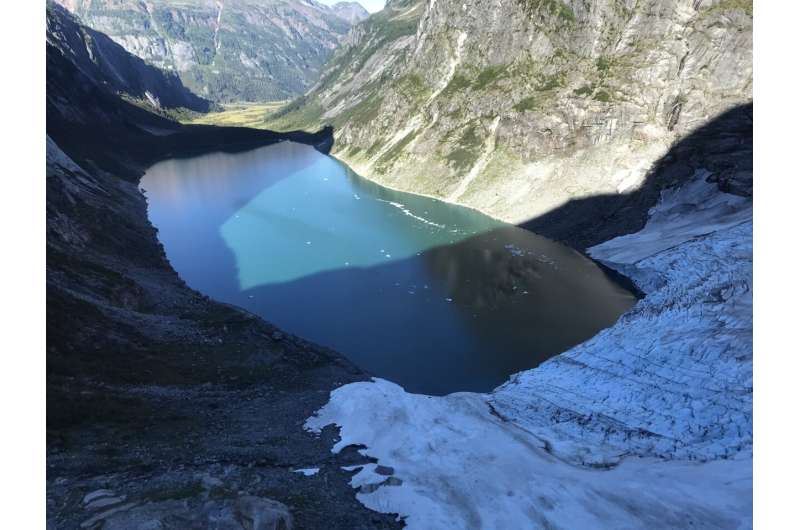
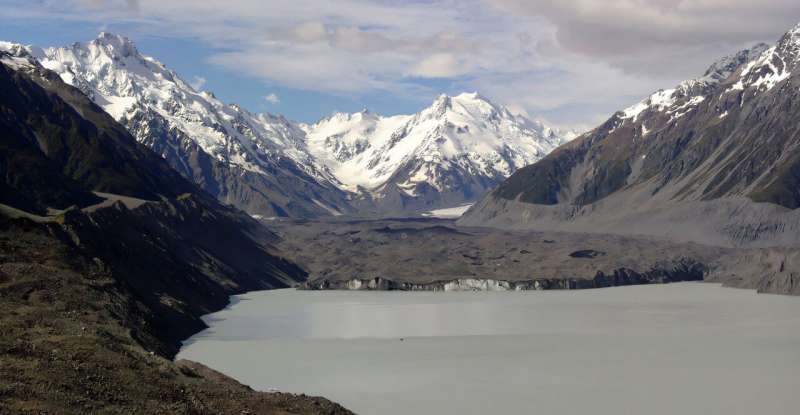
Scientists from the Universities of Potsdam and Leeds have documented 71,000 glacial lakes worldwide, holding roughly 2,000 cubic kilometers of fresh water. That's enough to supply billions of people or generate clean hydropower for entire regions.
These lakes formed as warming temperatures melted ancient ice, creating reservoirs in places where solid glaciers stood just decades ago. The number and size of these lakes continue growing each year as more ice transforms into liquid water.
Most glacial lakes remain small, but the 40 largest contain more than half of all the stored meltwater. Two-thirds of this water sits in remote locations like Greenland, Alaska, and the Canadian Arctic, where thick glaciers are still melting.
The research team developed a new method to estimate water volumes without risky expeditions to unstable mountain areas. They used measurements from 300 known lakes to calculate volumes for all glacier-fed lakes within ten kilometers of existing glaciers.
Some regions are already exploring how to harness this resource. Switzerland's planned Gornerli project would dam a small Alpine lake in the early 2030s, creating a reservoir holding 150 million cubic meters of water. The hydropower generated could supply more than 140,000 households with clean electricity.
But these lakes offer more than just economic value. They represent brand new ecosystems where life is taking root in previously frozen landscapes. Fish, plants, and microorganisms are colonizing these fresh habitats, creating biological communities that didn't exist a century ago.
The Ripple Effect
The discovery gives communities living near melting glaciers new options for sustainable development. Mountain regions facing water scarcity could tap these natural reservoirs for drinking water and irrigation during dry seasons.
Tourism opportunities are emerging too, as stunning new lakes appear in previously inaccessible mountain areas. Local economies can benefit from visitors drawn to these dramatic landscapes shaped by climate change.
However, scientists emphasize the need for balance. Small lakes may fill with sediment within a few hundred years, while others could drain suddenly if natural dams collapse. Alpine lake volumes could decrease by 10% to 50% by 2200 as sediment accumulates.
The research provides policymakers with critical data to make informed decisions about managing these resources. Communities can now assess which lakes offer the best potential for hydropower, which deserve protection as ecosystems, and which could serve multiple purposes.
These melting glaciers tell a story of adaptation and opportunity rising from environmental change.
More Images

Based on reporting by Phys.org - Earth
This story was written by BrightWire based on verified news reports.
Spread the positivity!
Share this good news with someone who needs it