Mental Health Expert Hits 1.4M Subscribers Helping Others
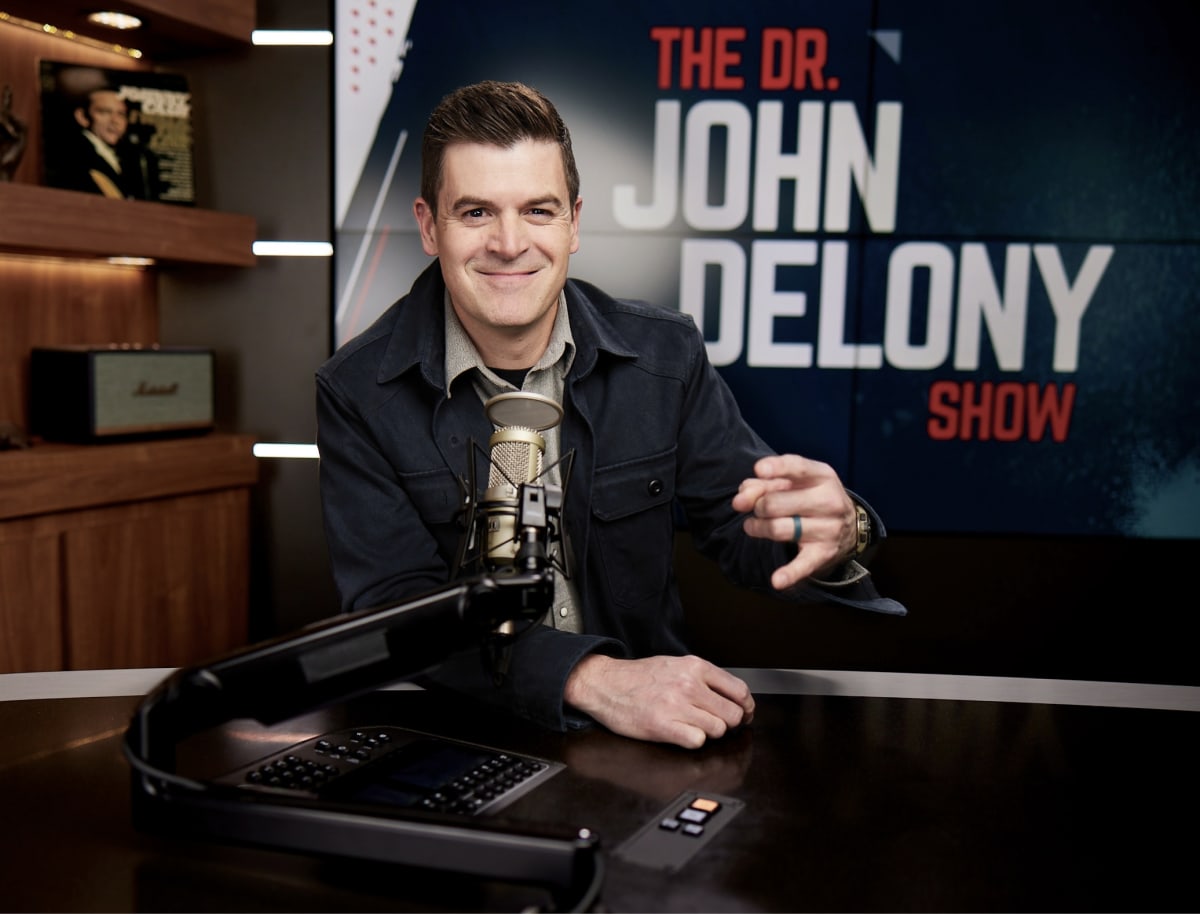
A therapist who never wanted to be online now reaches millions with his authentic approach to mental health. Dr. John Delony's YouTube show proves that real connection can happen even through a screen.
A tattooed mental health expert who despised social media just built one of the fastest-growing platforms in the wellness space, and his secret is surprisingly simple: he just listens.
Dr. John Delony spent 20 years helping college students face-to-face before reluctantly joining YouTube in 2020. The tattooed, self-described "loud" therapist didn't fit the traditional mold, but that authenticity became his superpower.
His caller-driven show has exploded to 1.4 million YouTube subscribers and over 905 million views. Three times a week, people call in with problems ranging from cheating spouses to whether they should donate a kidney to an estranged parent.
What makes Delony different is how he makes people feel. Callers often cry on air, voices trembling as they share their deepest struggles with someone who leans into the microphone like an old friend.
The Houston native grew up the son of a homicide detective, learning early that when others run out, you run in. That lesson shaped his entire career, pushing him to always choose "the scariest thing" if it helps people.
His own journey with anxiety gave him unique insight. During the 2008 financial crisis, Delony found himself crawling through his yard at 3 a.m. in his underwear, convinced his home's foundation was cracking when it wasn't.
"I knew I wasn't well," he later wrote in his bestselling book. That breaking point led him to drive three hours to see a physician friend and finally get help.
Why This Inspires
Delony's success proves that vulnerability isn't weakness. His willingness to share his own mental health struggles creates a safe space where grown men feel comfortable crying and asking for help.
Perhaps his greatest impact is normalizing therapy for audiences who might never step into a traditional counselor's office. By meeting people where they are, online and unfiltered, he's breaking down barriers that have kept millions suffering in silence.
His advice remains consistent: close social media and call real people. Yet he's using his platform to model exactly what healthy connection looks like, even through a screen.
Millions now know that asking for help isn't just okay—it's something to be proud of.
Based on reporting by Google News - Mental Health Success
This story was written by BrightWire based on verified news reports.
Spread the positivity!
Share this good news with someone who needs it