Meta Scraps AI Deepfake Feature After Privacy Backlash
Meta listened to users and safety advocates, quickly shutting down a controversial feature that let anyone create AI images using public Instagram accounts without permission. The rapid reversal shows how public feedback can protect digital rights.
Sometimes the best tech news is when a company actually listens and changes course fast.
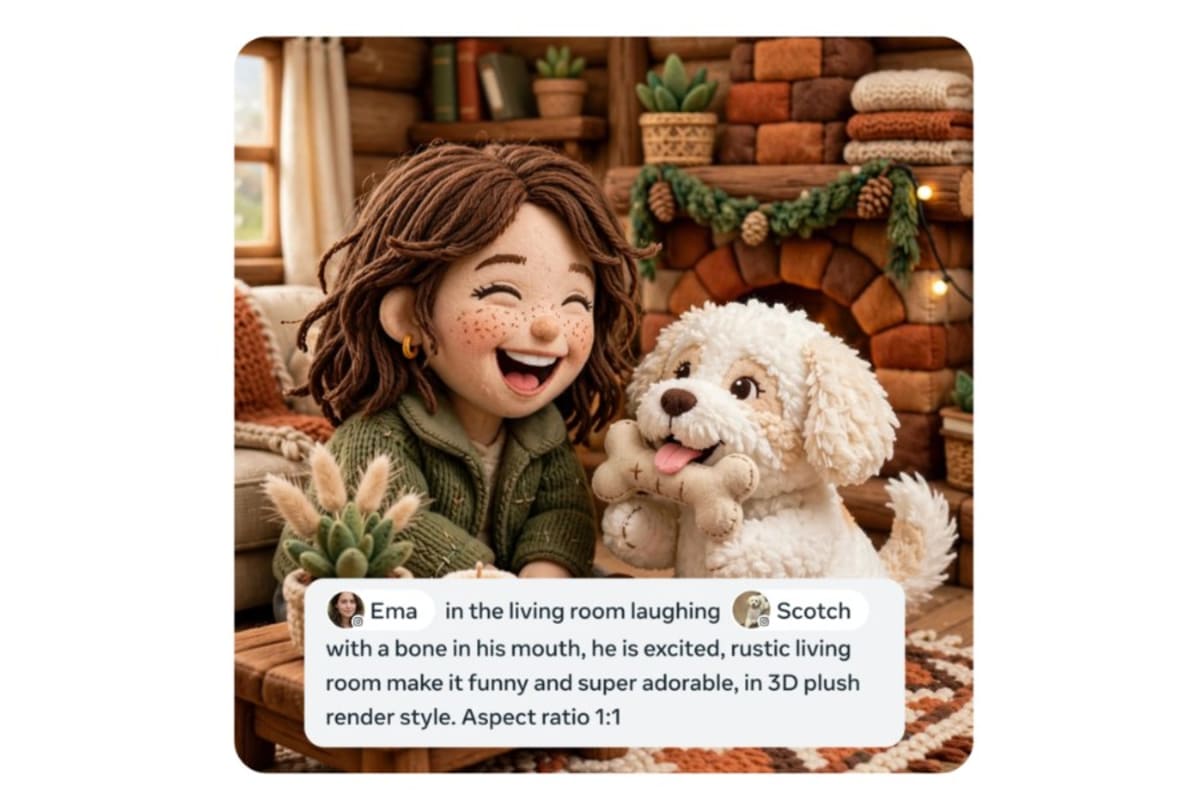
Meta announced this week it was completely shutting down a new Instagram feature that sparked immediate privacy concerns. The tool had allowed users to generate AI images using anyone's public Instagram account simply by tagging them, no permission required.
The backlash was swift and loud. Safety advocates warned the feature could enable harassment, identity theft, and exploitation. The Screen Actors Guild immediately advised members to opt out and shared instructions across their network.
Haley McNamara from the National Center on Sexual Exploitation captured the core problem perfectly. She pointed out the feature created obvious risks for scammers and bad actors, while forcing individuals to navigate complicated settings just to protect their own likeness.
Meta had included an opt-out option buried in account settings, but critics rightfully argued that wasn't good enough. Why should people have to hunt through menus to prevent others from using their image?
The Bright Side
Within days of the announcement, Meta pulled the plug entirely. The company acknowledged in an updated blog post that the feature "missed the mark" after hearing user feedback.
This quick reversal matters more than it might seem at first glance. Tech companies often dig in their heels when criticized, hiding behind claims that users simply don't understand innovation. Meta chose differently this time.
The episode shows that vocal public opposition, especially from organized groups like unions and advocacy organizations, can still shape how technology develops. Companies do respond when enough people speak up clearly about harm.
It also sets a helpful precedent. As AI image generation becomes more powerful and accessible, questions about consent and likeness rights will only grow more urgent. This decision establishes that grabbing public content without explicit permission crosses a line.
The feature's death came fast enough that relatively few people likely used it to create problematic content. That's a win for prevention over cleanup.
Moving forward, Meta says it remains committed to creative AI tools but will approach them more carefully. Sometimes progress means knowing when to pump the brakes, listen to concerns, and try again with better safeguards built in from the start.
When tech gets it wrong, quick course corrections protect everyone.
More Images


Based on reporting by The Verge
This story was written by BrightWire based on verified news reports.
Spread the positivity!
Share this good news with someone who needs it