Metro Detroit Adopts $83B Plan to Reach Net Zero by 2050
Southeast Michigan just approved an ambitious climate action plan that promises to save residents $67 billion while cutting emissions to zero. Despite federal setbacks, Michigan is doubling down on its commitment to cleaner air and lower utility bills.
Metro Detroit just took a major step toward a healthier future by adopting a plan that could save families billions while protecting the environment.
The Southeast Michigan Council of Governments (SEMCOG) officially adopted the Southeast Michigan Healthy Climate Plan on Friday. The plan proposes an $83.4 billion investment in climate work by 2050 to reach net zero emissions across the region.
The numbers tell an encouraging story. For every dollar invested, the region expects to see about 80 cents back in direct savings, totaling $67 billion. That's real money returning to communities through lower energy costs and improved infrastructure.
A task force of 80 leaders, including Grosse Pointe Park Mayor Sheila Tomkowiak and Detroit City Council President Pro Tem Coleman A. Young II, developed the plan. They discovered that 1.4 million residents across 60 municipalities face significant environmental justice burdens, making this work especially urgent.
The plan focuses on where it matters most. Buildings account for 64% of the region's greenhouse gas emissions, so weatherization, free energy audits, and expanded rebates will take center stage. When SEMCOG asked residents what they wanted, reducing utility costs topped the list.
Michigan's environmental director Phil Roos acknowledged that 2025 was "rough" for federal support but emphasized the state won't back down. "We're just going to have to be more innovative in certain areas," Roos said at a January engagement session in Detroit.
The urgency is real and visible. Basement flooding from extreme weather, dangerous heat events, and worsening air pollution already affect Michigan families. "That's the beauty of this and the sadness of this, that we're already there and experiencing this right now," Roos explained.
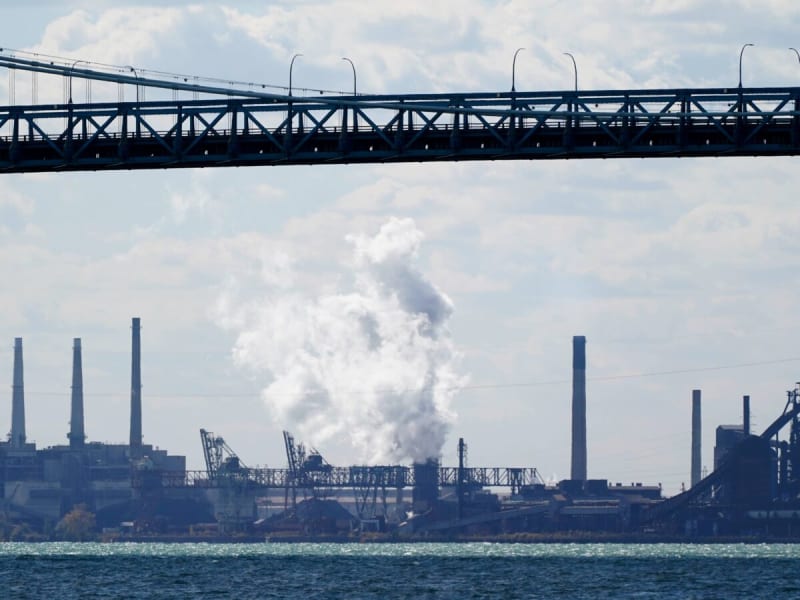
Jordan Power, Michigan's senior climate action officer, pointed out that electric power generation remains the state's largest emissions source. Decarbonizing the grid offers a double win: cleaner air and more reliable electricity.
The Ripple Effect
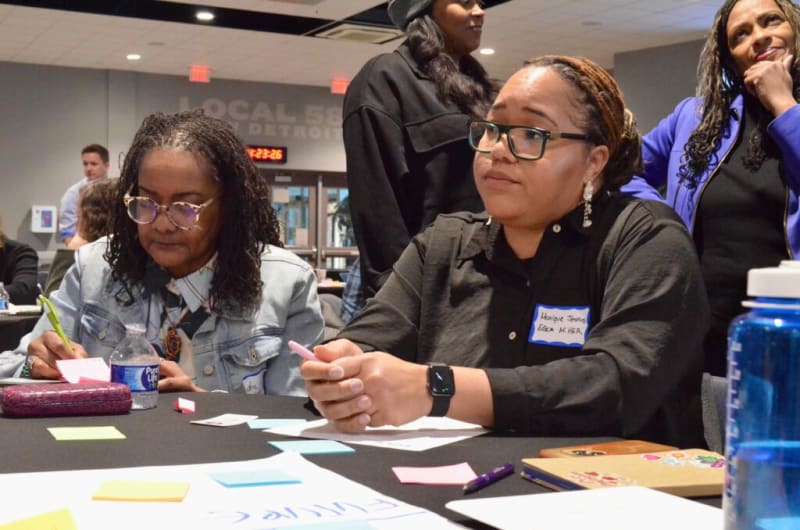
This plan means more than environmental statistics. Detroiter Audra Carson, a community advocate in the climate action space, attended the engagement session and saw the connection between policy and people. She called it "a positive and timely connection to people doing the work on the ground who have an interest in a sustainable future for the city of Detroit."
Will Kitchen, who recently moved to Detroit and works with water technology nonprofit AquaAction, hopes to help move these goals forward. The engagement shows that regular people want to participate in building a more sustainable community.
Michigan's climate conference in Detroit on April 21 will offer another chance for residents to shape their environmental future. The state is actively seeking community input through public meetings, emails, and phone calls to ensure the plan serves everyone's needs.
Southeast Michigan is proving that climate action and economic sense can work together, creating a blueprint other regions might follow.
More Images


Based on reporting by Google News - Emissions Reduction
This story was written by BrightWire based on verified news reports.
Spread the positivity!
Share this good news with someone who needs it