Mexican Gray Wolf Population Hits 319 in Southwest Win
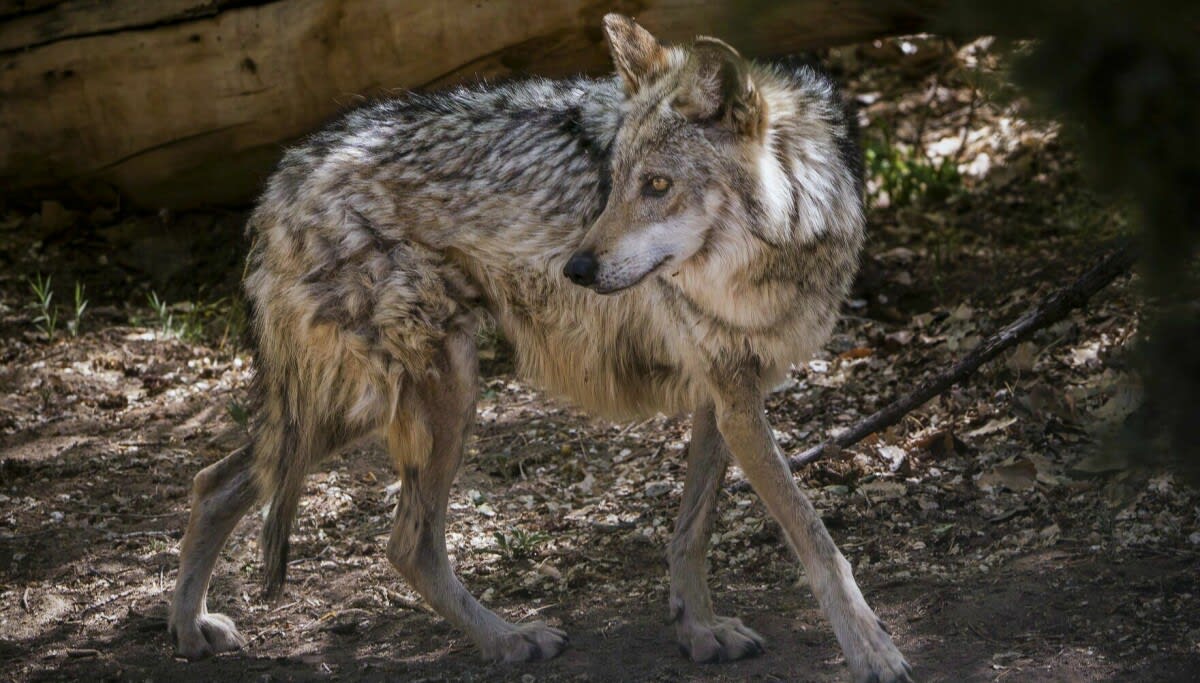
After nearly going extinct in the 1970s, Mexican gray wolves are making a stunning comeback with 319 now roaming wild in New Mexico and Arizona. Albuquerque's BioPark just opened a 4.5-acre conservation facility to help boost their numbers even more.
The rarest wolf in North America is staging one of conservation's most remarkable comebacks, and a new facility in Albuquerque is about to play a crucial role in their survival.
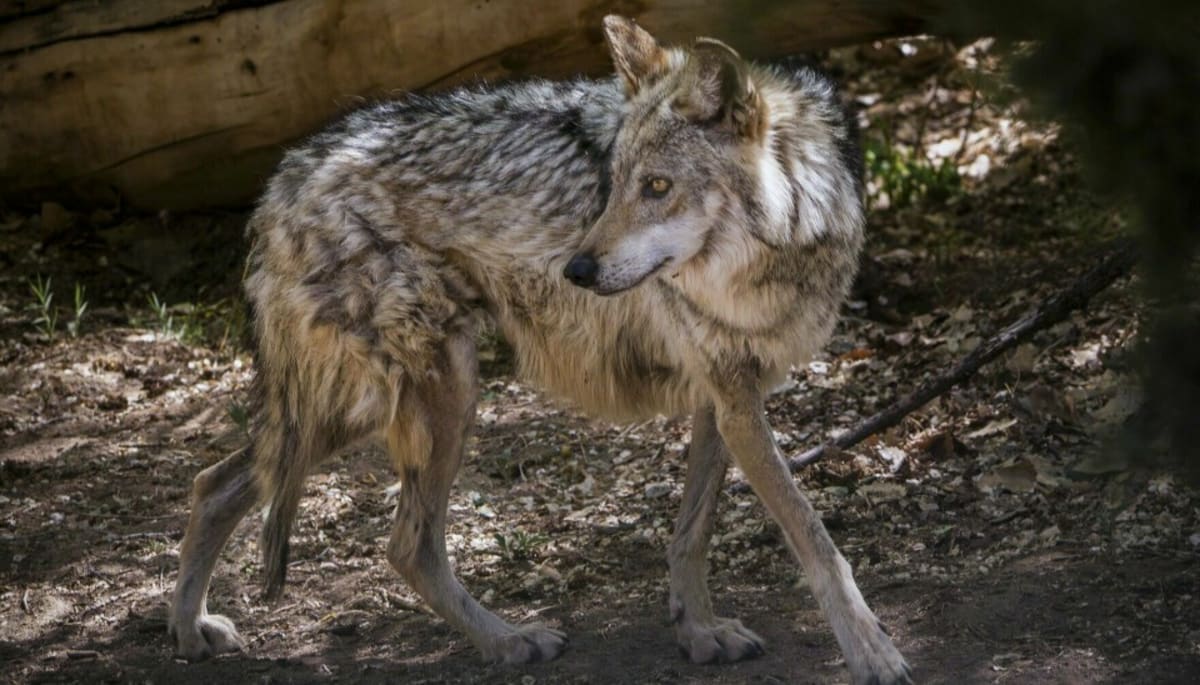
Mexican gray wolves increased to 319 animals in the wild by the end of 2025, up from 286 the previous year. The entire population descends from just seven wolves captured in the 1970s when the species teetered on the edge of extinction.
Albuquerque's BioPark just completed a new 4.5-acre conservation facility designed specifically to help Mexican wolves recover. The off-exhibit space features natural brush and willow, concrete-lined ponds, and potential den sites where wolves can live with minimal human contact.
Nine wolves moved into the new habitats before the end of last year. The BioPark was selected to host a breeding pair in 2025, with wolves typically mating in February and giving birth around mid-April.
The facility serves a critical purpose beyond breeding. Staff can rehabilitate sick or injured wolves in smaller enclosures, then transition them to larger natural habitats. Remote cameras let biologists monitor the wolves while keeping human interaction to a minimum.
About 60 facilities across the United States and Mexico now participate in the Saving Animals from Extinction program for Mexican wolves. They work closely with the U.S. Fish and Wildlife Service to carefully manage breeding and maintain genetic diversity.
When pups are born at facilities like the BioPark, staff coordinate with wildlife officials to foster them into wild wolf families with new litters of their own. This cross-fostering remains the most effective method for boosting genetic diversity in the wild population, which is essential for long-term survival.
Associate Director Lynn Tupa explained that a lot of planning went into designing habitats that balance the wolves' needs with conservation goals. The quiet location away from public areas helps prepare wolves for potential release while ensuring they receive expert care.
The Ripple Effect
The Mexican gray wolf recovery represents more than just saving one species. These apex predators play a vital role in their ecosystem, helping maintain balance in forests and grasslands across the Southwest.
The partnership between zoos, wildlife agencies, and conservation organizations demonstrates what's possible when institutions work together toward a common goal. Each facility contributes to the collective effort, whether through breeding, rehabilitation, or research.
As breeding season unfolds this spring, BioPark staff will watch for signs their female wolf is preparing to give birth. Those pups could join wild packs by summer, carrying precious genetic diversity into Arizona and New Mexico's wilderness.
From seven wolves to more than 300 in five decades shows that even species on the brink can recover with dedicated effort and collaboration.
More Images
Based on reporting by Google News - Conservation Success
This story was written by BrightWire based on verified news reports.
Spread the positivity!
Share this good news with someone who needs it