Mexican Wolf Population Hits 319 After 10 Years of Growth
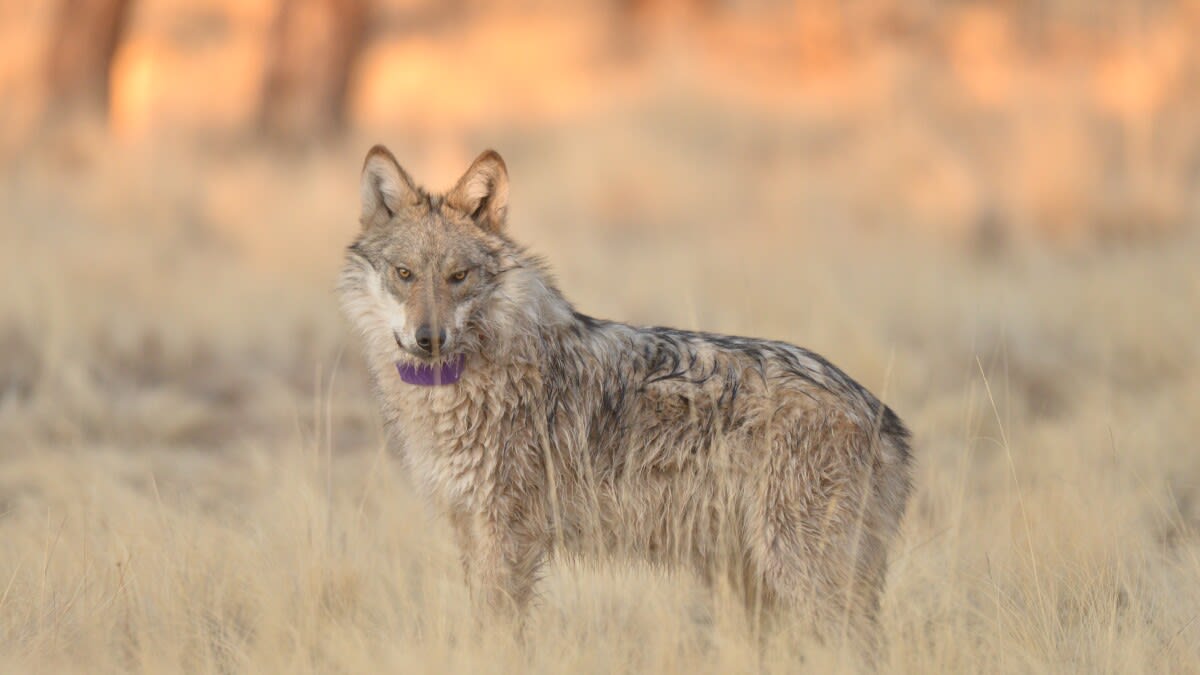
Once extinct in the wild, Mexican gray wolves are making a stunning comeback with 319 now roaming the Southwest. The population has grown for 10 straight years, bringing the endangered species closer to a major recovery milestone.
Three decades ago, not a single Mexican gray wolf roamed wild in the Southwest. Today, at least 319 of these magnificent animals are thriving across Arizona and New Mexico, marking a decade of unbroken population growth.
The 2025 count showed 33 more wolves than the previous year, continuing a recovery that began with reintroduction efforts in 1998. These wolves were brought back from the brink of extinction through careful management and protection under the Endangered Species Act.
Wildlife managers are now eyeing an important next step. If the population maintains an average of 320 wolves over four years, the species could be downlisted from endangered to threatened status.
"We think that the clock may have started tolling, particularly with the 319 this year," says Jim deVos, Mexican Wolf Program Manager at Arizona Game and Fish Department. Downlisting would recognize the tremendous success while still keeping protections in place.
The journey has required patience and persistence. Mexican gray wolves were nearly wiped out before conservationists launched the reintroduction project nearly 30 years ago. The consistent growth over the past decade shows the species is finding its footing again.
The Ripple Effect
The wolf recovery represents more than just numbers. These predators play a crucial role in maintaining healthy ecosystems across the Southwest. Their return helps balance wildlife populations and restore natural patterns that disappeared when they vanished.
While some conservationists want to ensure genetic diversity improves before changing protections, everyone agrees the progress is remarkable. Wildlife officials use GPS collars to track how wolves use the landscape, gathering data that helps protect both the animals and the communities they live near.
The growing population shows what's possible when people commit to bringing a species back from the edge of extinction. From zero to 319 wolves represents thousands of hours of work by biologists, land managers, and communities learning to coexist with their wild neighbors.
Every new wolf counted in the annual survey is a victory for biodiversity and a sign that recovery efforts are working exactly as hoped.
More Images

Based on reporting by Google News - Endangered Species Recovery
This story was written by BrightWire based on verified news reports.
Spread the positivity!
Share this good news with someone who needs it