Mexican Wolves Return to Durango After 50 Years
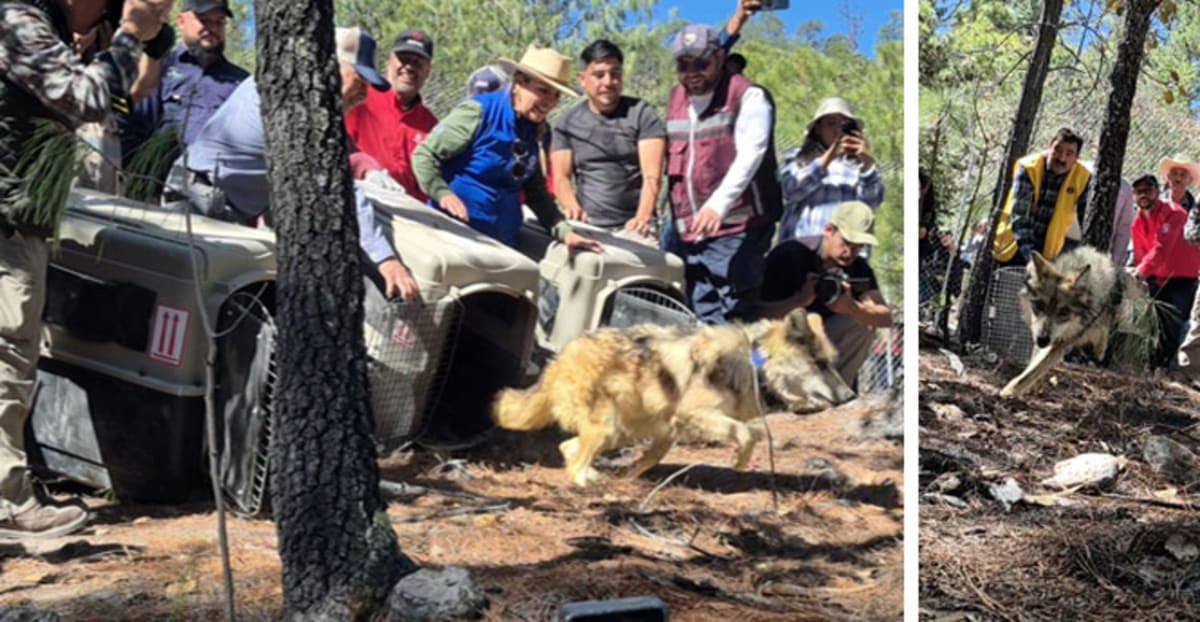
After vanishing from Mexico's wild nearly five decades ago, Mexican wolves are thriving again in Durango thanks to an unprecedented cross-border conservation effort. Eight wolves from the U.S. made the historic journey home in March 2026, marking a turning point for one of North America's rarest mammals.
Mexican wolves are running wild in Durango, Mexico again for the first time in nearly 50 years, and the story of how they got there is proof that borders don't limit what we can achieve together.
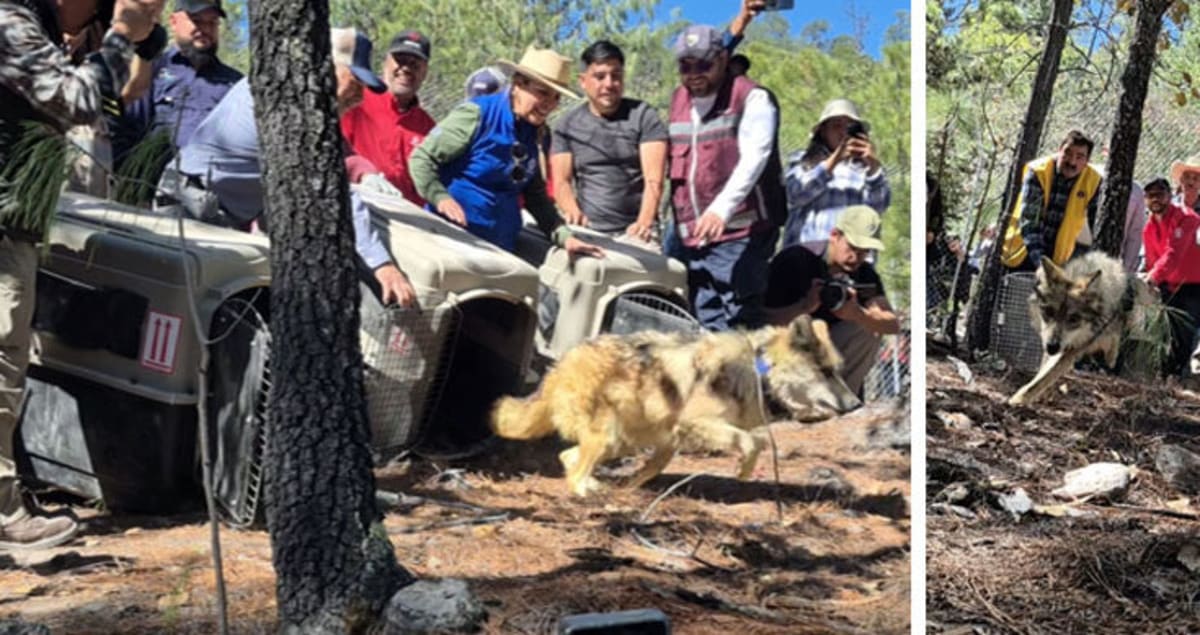
In March 2026, two wolf families totaling eight animals traveled from the United States to their ancestral home in Durango's mountain forests. Another female wolf was released in neighboring Chihuahua, equipped with a satellite collar to help her find other wolves and start a new pack.
The journey back started in the late 1970s when the last Mexican wolves disappeared from the wild. A U.S. Fish and Wildlife Service agent captured the final survivors in Mexico between 1977 and 1980, not to imprison them but to save their species through careful breeding programs.
That desperate gamble paid off spectacularly. Releases began in Arizona in 1998, and by 2025, at least 319 Mexican wolves roamed wild across Arizona and New Mexico.
But 90% of their historical territory was in Mexico, where wolves had been absent for decades. Earlier releases in northern Mexico faltered and stopped, leaving conservationists searching for answers.
Durango emerged as the perfect solution. Studies showed the state still contained excellent wolf habitat, with well-preserved temperate forests managed thoughtfully by local communities including El Tarahumara and Bajios del Tarahumara.
The Ripple Effect
This isn't just about wolves. The forest communities in Durango see these animals as partners in preserving their land's future.
Local communities believe maintaining biodiversity ensures environmental, social, and economic benefits for generations without destroying natural resources. They're proving that conservation works best when people who live on the land lead the way.
The collaboration stretched across agencies, universities, and governments. The Governor of Durango even provided his personal aircraft to transport the wolves from Ciudad Juarez to the release site, a gesture showing how seriously Mexico takes this recovery.
The state seal of Durango now features two Mexican wolves, a symbol of pride in their return.
This marks the first time Mexican wolf recovery has happened outside protected reserves or small ranches. It's unfolding on vast communal lands owned by forest communities, creating a new model for conservation across Mexico.
More releases are planned for late spring, with additional wolves expected to find mates and form successful packs that will expand across historic territories.
After 50 years of absence and decades of patient work, Mexican wolves are finally running where they belong again.
More Images



Based on reporting by Google News - Wildlife Recovery
This story was written by BrightWire based on verified news reports.
Spread the positivity!
Share this good news with someone who needs it