Mexican World Cup Stadiums Earn Green Certifications
Three Mexican stadiums made major environmental upgrades to host the 2026 World Cup, earning prestigious LEED certifications for sustainability. The transformation shows how major sporting venues can become models for water conservation, energy efficiency, and waste reduction.
Soccer stadiums built decades ago are proving they can become environmental leaders, and Mexico's World Cup venues are showing the world how it's done.
FIFA requires all 2026 World Cup stadiums to earn LEED environmental certifications, which measure how well buildings perform on water use, energy consumption, and waste management. For Mexico's three host stadiums, that meant serious upgrades.
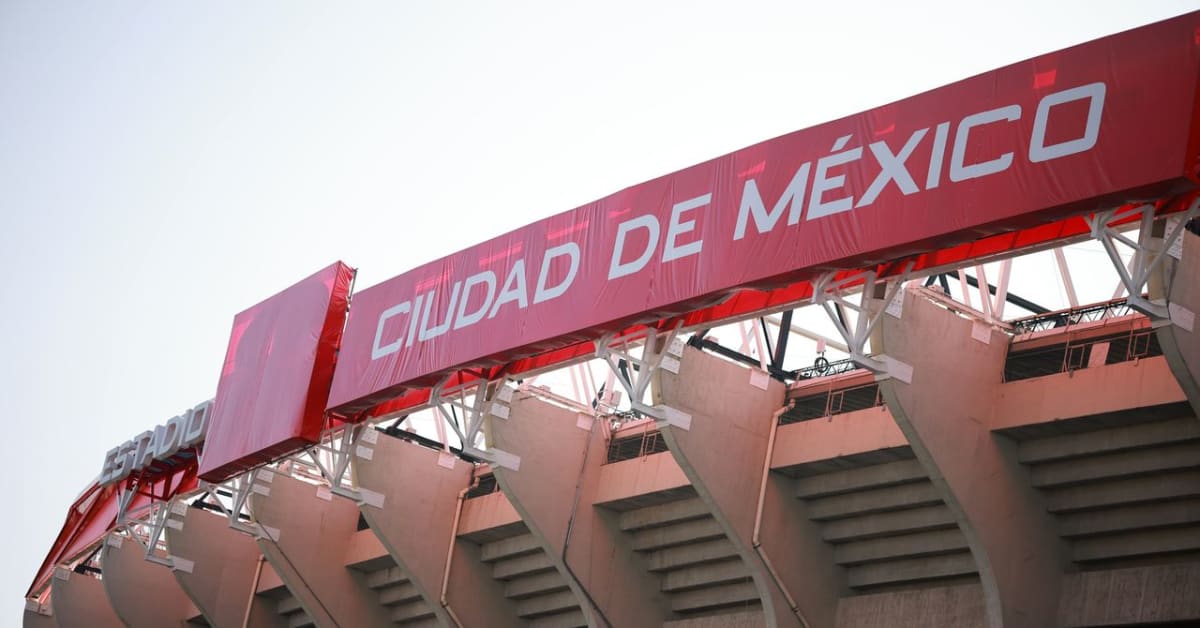
Estadio Azteca in Mexico City faced the biggest challenge. Built in 1966, the historic stadium needed tens of millions of dollars in renovations without losing its character. Officials replaced old toilets that guzzled 15 liters per flush with modern fixtures. They switched to compostable cups and improved air quality in areas where staff work year-round.
The efforts paid off. Azteca earned platinum certification, the highest LEED level possible.
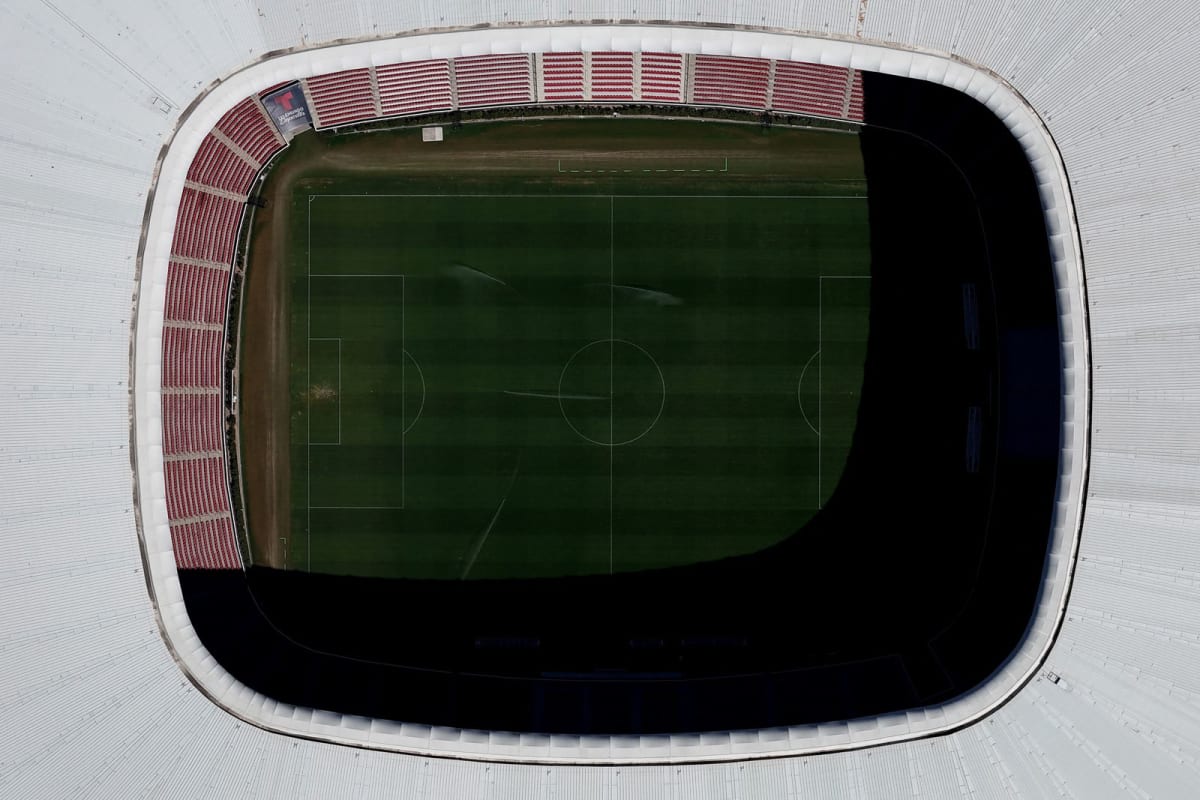
BBVA Stadium in Monterrey and Akron Stadium in Guadalajara had a head start, having been built in the last 15 years with efficiency in mind. But they still needed to prove their green features actually worked in daily operations.
The Ripple Effect
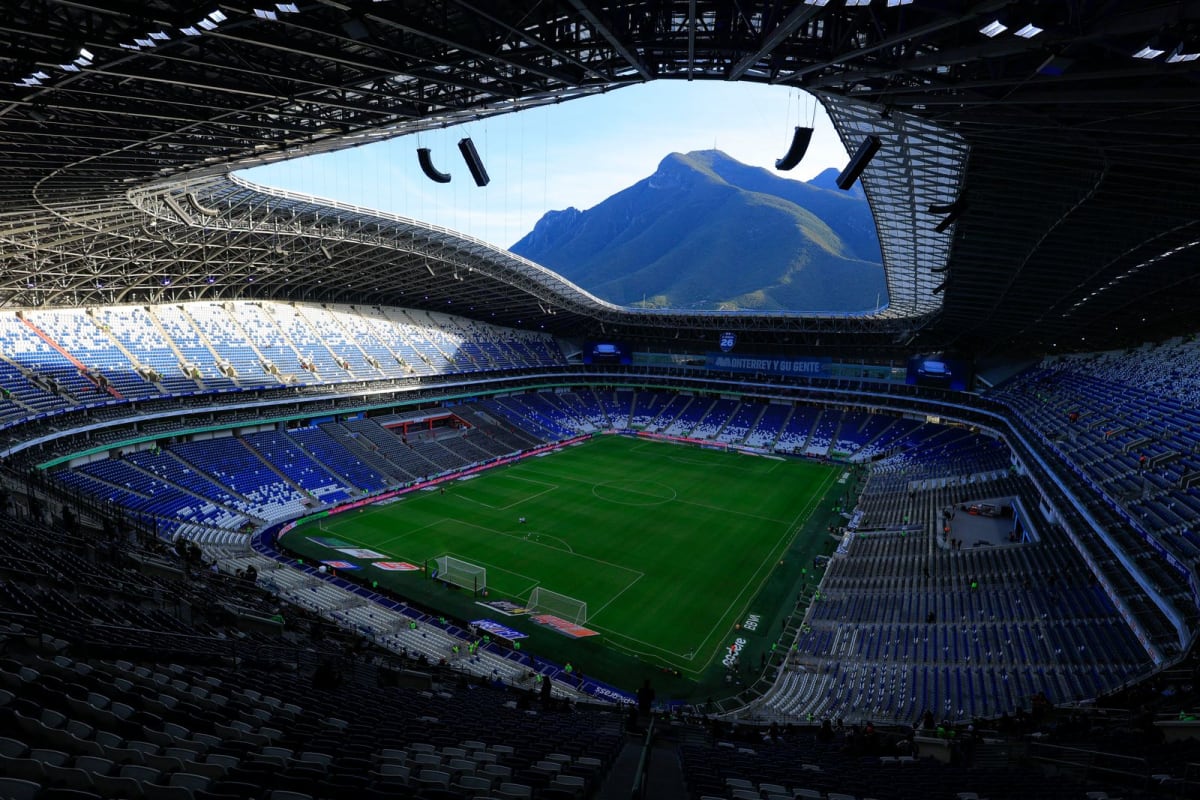
The changes go beyond saving water and electricity. BBVA Stadium migrated to LED lighting across parking lots, the main facade, and training areas, cutting electricity use by 30 percent. The stadium incorporated native plants that need less irrigation and installed automated systems to track energy, water, and air quality in real time.
Rebeca Ortiz, who oversees LEED certifications in Mexico, says the goal is bigger than just meeting FIFA requirements. Sports venues have global visibility, and that creates an opportunity to positively impact the communities around them.
The certification process examines everything from construction methods to daily maintenance. Specialized technicians verify that stadiums actually deliver on their sustainability promises, measuring thermal comfort for fans, waste management practices, and even access to public transportation.
All three Mexican stadiums now meet at least the silver certification standard required for World Cup matches. BBVA achieved gold status for operations and maintenance in 2024, while Akron is working toward the same goal.
Alberto Salvador Molina, operations director for Club de Futbol Monterrey, says the decision to pursue certification came in 2022 as World Cup preparations began. For his stadium, much of the infrastructure was already in place, requiring investment in monitoring technology rather than complete overhauls.
These upgrades create a template other stadiums worldwide can follow, proving that even historic venues can modernize for sustainability.
More Images


Based on reporting by Wired Science
This story was written by BrightWire based on verified news reports.
Spread the positivity!
Share this good news with someone who needs it