Mexico Blocks Waterpark to Protect Caribbean Coral Reefs
Mexico's government rejected a massive Royal Caribbean waterpark project this week, choosing to protect fragile mangroves and coral reefs over tourism development. The decision shows environmental protection can win even when big business comes calling.
When Royal Caribbean proposed turning 200 acres of Mexico's Caribbean coast into a cruise ship waterpark, government officials said no thanks. They chose coral reefs and mangroves over millions of tourists.
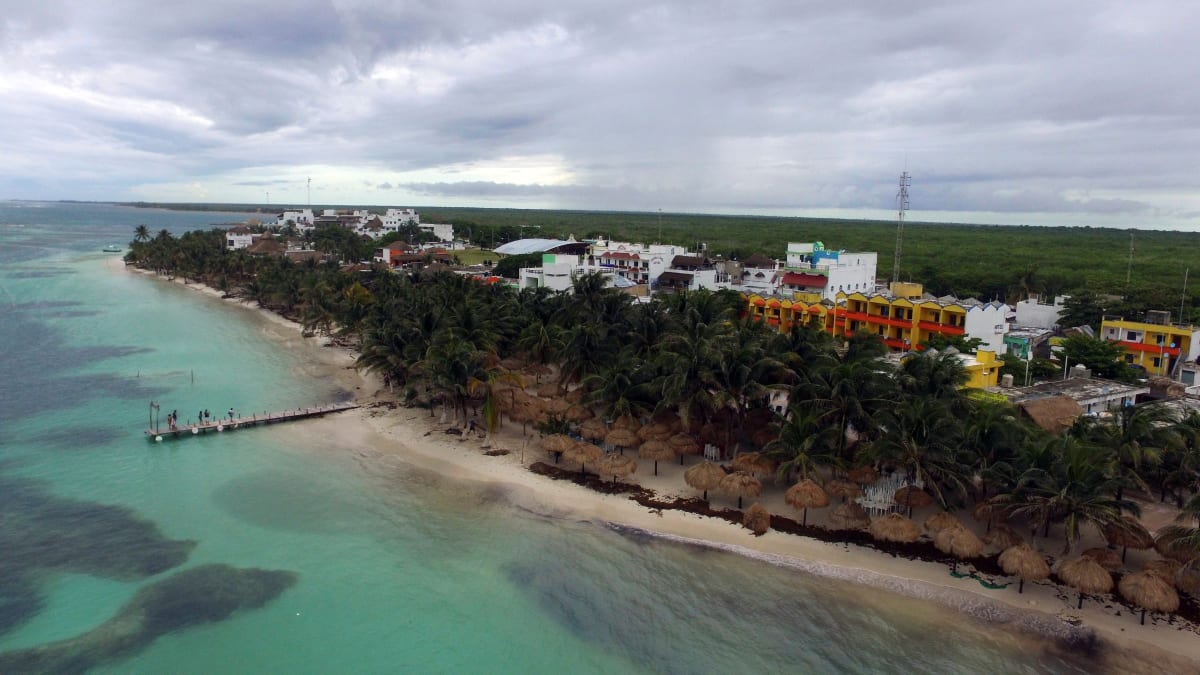
The company wanted to build Perfect Day Mexico in Mahahual, a small fishing village in Quintana Roo state. The development would have added pools, restaurants, artificial beaches and sports facilities to accommodate 4.1 million annual visitors by 2030, more than double current tourism levels.
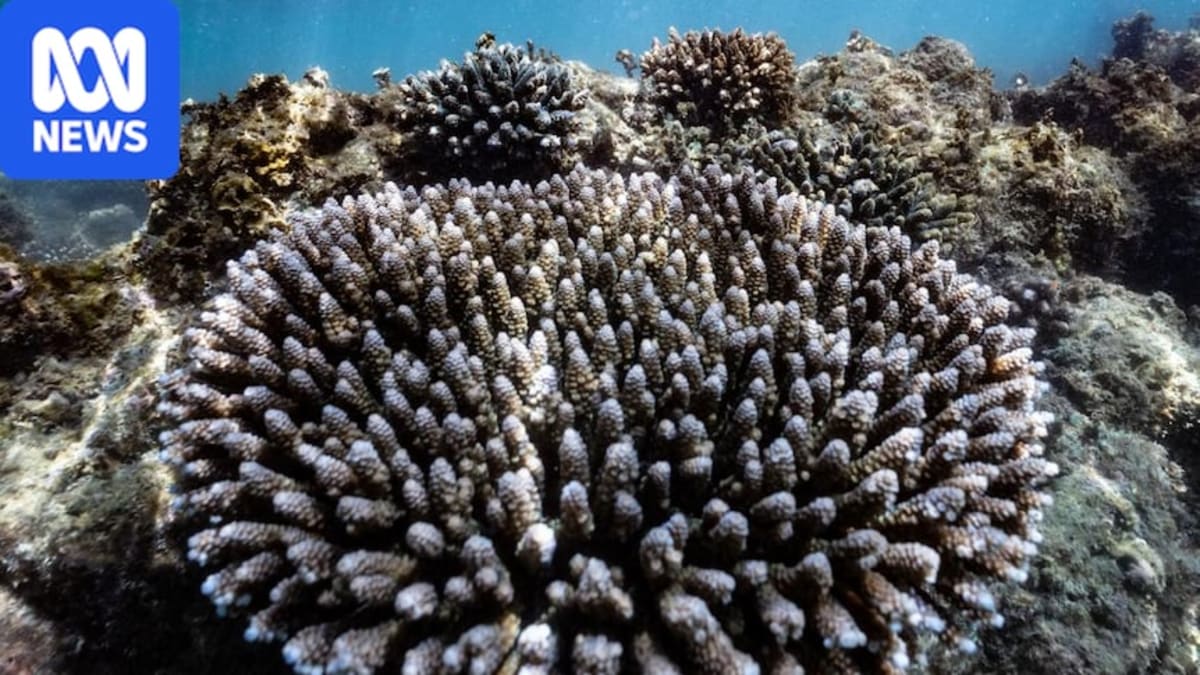
But the village sits just 18 miles from Banco Chinchorro Biosphere Reserve, home to sensitive coral reefs and seagrass meadows. Mahahual itself contains 124 acres of mangroves and wetlands that support local marine life.
"We are not going to do anything that puts the ecological balance of that area at risk," President Claudia Sheinbaum Pardo told reporters Monday. Mexico's Environment and Natural Resources secretary confirmed the rejection the next day, saying her agency would not approve the project's environmental permits.
Local residents had raised concerns that their small community couldn't handle such a massive influx of visitors. Across Mexico, communities have struggled with tourism developments that overwhelm local infrastructure and disrupt traditional ways of life.
Royal Caribbean told Reuters it respected Mexico's decision and remains interested in investing in the country. The company had argued the site already contained disturbed land with existing roads and buildings, making it suitable for development.
The Bright Side
This decision marks a shift in how Mexico balances economic development with environmental protection. Recent governments have faced criticism for prioritizing tourism infrastructure like the Tren Maya railroad project, which environmental groups say threatens ecosystems across the Yucatán Peninsula.
By blocking this waterpark, officials sent a clear message that some places are too ecologically valuable to develop, no matter the economic benefits. The ruling protects not just coral reefs and mangroves, but also the fishing communities that have relied on healthy oceans for generations.
When governments choose long-term environmental health over short-term profits, everyone who depends on those ecosystems wins.
More Images

Based on reporting by Mongabay
This story was written by BrightWire based on verified news reports.
Spread the positivity!
Share this good news with someone who needs it