Mexico Cuts Workweek to 40 Hours by 2030
Mexico just passed a historic labor reform that will gradually reduce the standard workweek from 48 to 40 hours, benefiting nearly 13.4 million workers. The change addresses one of the worst work-life balances in the developed world. ##
Mexican workers are about to get something many have dreamed of for years: more time with their families and a chance to finally rest.
On Tuesday night, Mexico's Chamber of Deputies overwhelmingly approved a landmark bill to reduce the standard workweek from 48 to 40 hours. Out of 500 deputies, 469 voted in favor of the reform, signaling broad political support for this major shift in workers' rights.
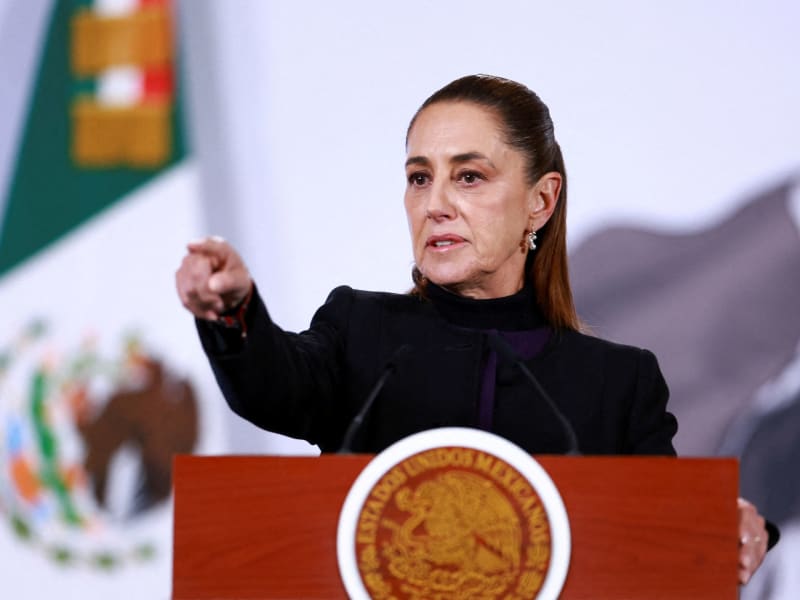
The change won't happen overnight. Starting next year, the workweek will be trimmed by two hours annually until it reaches 40 hours in 2030. President Claudia Sheinbaum introduced the proposal in December, and it's expected to improve life for nearly 13.4 million workers across the country.
"Productivity is not measured by exhaustion. It is built with dignity," said Pedro Haces, a representative from the ruling Morena party and a labor organization leader. His words capture what many Mexican workers have felt for decades.
The numbers tell a sobering story. Mexico has the worst work-life balance of any country in the Organisation for Economic Co-operation and Development. Workers average more than 2,226 hours per year, yet the nation struggles with the lowest labor productivity and wages among the organization's 38 member states.
The new law does come with some trade-offs. Employers will be allowed to increase weekly overtime hours, and the minimum rest day requirement remains unchanged at one day for every six worked. Some opposition lawmakers argue the reform doesn't go far enough and was rushed through too quickly.
Still, labor advocates see this as a major victory after years of negotiations with business owners. The bill now needs approval from two-thirds of Mexico's state legislatures to become law.
The Ripple Effect
This reform could reshape how Latin America thinks about work and rest. As the region's second-largest economy takes steps to prioritize worker wellbeing, other nations may follow suit. Mexico is proving that economic growth and human dignity can go hand in hand.
Roughly 55 percent of Mexico's workforce remains in the informal sector without legal protections, but this reform sets a new standard for what's possible when workers advocate for their rights.
Change is coming, one hour at a time, and millions of families will finally have more time together.
##
Based on reporting by Al Jazeera English
This story was written by BrightWire based on verified news reports.
Spread the positivity!
Share this good news with someone who needs it