Mexico Launches Air Monitors After Pollution Exposé
Following investigative reporting that revealed dangerous heavy metal contamination around a Monterrey factory, Mexico's government has rolled out sweeping pollution reforms including Latin America's first industrial air monitoring network. The action shows how transparency and accountability can drive real environmental progress.
When journalists found soil near a Mexican elementary school containing lead levels 1,760 times higher than safe U.S. standards, the Mexican government didn't look away. Instead, they launched what officials are calling a historic cleanup effort.
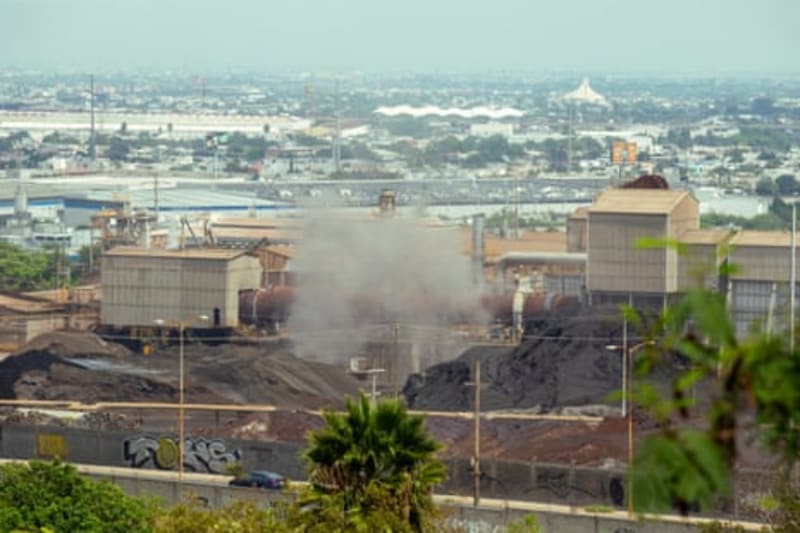
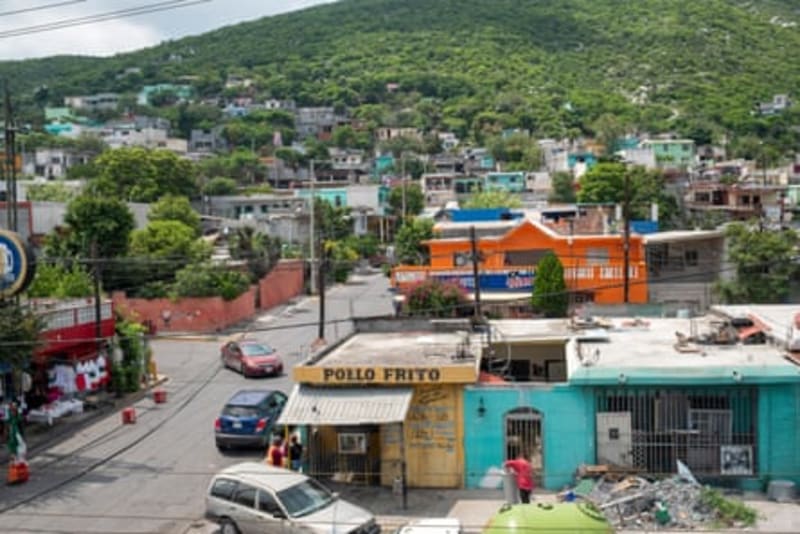
Following investigations by the Guardian and Quinto Elemento Lab, Mexico announced sweeping reforms to combat industrial pollution in Monterrey, a manufacturing hub that produces goods for the U.S. market. The stories revealed toxic heavy metals contaminating neighborhoods around Zinc Nacional, a plant that processes hazardous waste imported from American steel recycling operations.
The government's response marks a turning point for environmental enforcement in Mexico. Officials announced plans for a new atmospheric monitoring network for industry, which they say will be the first of its kind in Latin America, tracking emissions including heavy metals in real time.
Zinc Nacional now faces $4.8 million in fines and must complete 24 corrective measures. The company will relocate some operations away from residential areas, build new containment facilities, clean up contaminated land, and reforest 12 acres.
"This agreement is a historic step forward for environmental justice in Mexico," said Martín Soto Jiménez, a toxicology researcher at Universidad Nacional Autónoma de México who conducted the original soil sampling. He emphasized that the monitoring network must make data publicly accessible so citizens and scientists can track progress.
Mexico's main environmental regulator is also updating air and soil contamination standards, some unchanged for decades. The reforms originated when the first investigative stories were published in early 2025.
The Ripple Effect
The government's swift action demonstrates how investigative journalism can catalyze real change. What started as soil samples around one factory has grown into nationwide policy reforms that could protect millions of people from industrial pollution.
The new monitoring system could transform how Mexico tracks industrial emissions. Researchers and residents will be able to access real-time data about what's in the air they breathe, creating unprecedented transparency.
While some neighbors want more focus on health effects in surrounding communities, the government's commitment to enforcement represents a major shift. Mariana Boy Tamborrell, Mexico's federal attorney for environmental protection, called it "a new wave of enforcement against industrial pollution."
Neighbor Cristóbal Palacios captured the community's hopes: residents should be able to see, with their own eyes, the numbers showing their air and soil are getting cleaner.
When communities demand accountability and governments respond with action, the result is progress worth celebrating.
More Images

Based on reporting by Guardian Environment
This story was written by BrightWire based on verified news reports.
Spread the positivity!
Share this good news with someone who needs it