Mexico Opens Supreme Court to Indigenous Communities
Mexico's Supreme Court voted 5-4 to let Indigenous and Afro-Mexican communities join constitutional trials for the first time, ending 200 years of exclusion. Communities can now defend their rights directly when government decisions affect them.
For the first time in its history, Mexico's Supreme Court has opened its doors to Indigenous voices in constitutional disputes.
The landmark 5-4 ruling on Tuesday allows Indigenous peoples and Afro-Mexican communities to participate as interested third parties in constitutional controversies. Previously, only government bodies could take on this role.
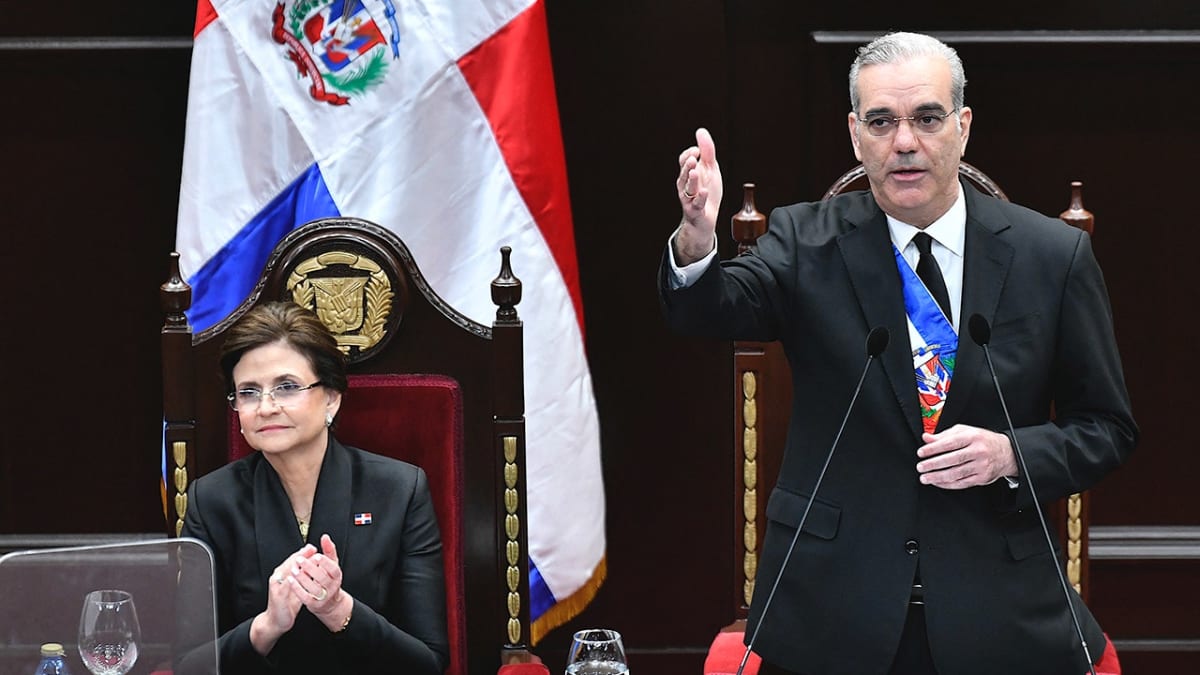
"Today is a historic day," Chief Justice Hugo Aguilar Ortiz, who is of Mixtec Indigenous origin, announced during the ruling. "We are attending this appointment with history to see if we can correct in some way 200 years of exclusion and racism, and among them, the judicial exclusion of Indigenous peoples and communities."
The case started when the Mazahua community of Crescencio Morales in Zitácuaro, Michoacán, wanted to join a constitutional dispute. The municipal government had filed the case about control over the autonomous community's budget and regulations on Indigenous self-government.
The court ruled that the community had a right to participate because the outcome would directly affect their collective rights and interests. Minister Arístides Guerrero García explained the court recognized the community as an interested third party "to remove obstacles to its effective access to justice."
The decision builds on Article 2 of the Mexican Constitution, reformed in 2024, which recognizes Indigenous and Afro-Mexican peoples as subjects of public law with their own legal standing. Combined with constitutional protections for access to justice, these communities now have a procedural voice when court decisions affect their rights.
Indigenous communities could previously defend their rights through other legal channels. What changed is they can now join constitutional cases initiated by authorities, review case files, submit arguments, and speak for themselves in the highest court.
The Ripple Effect
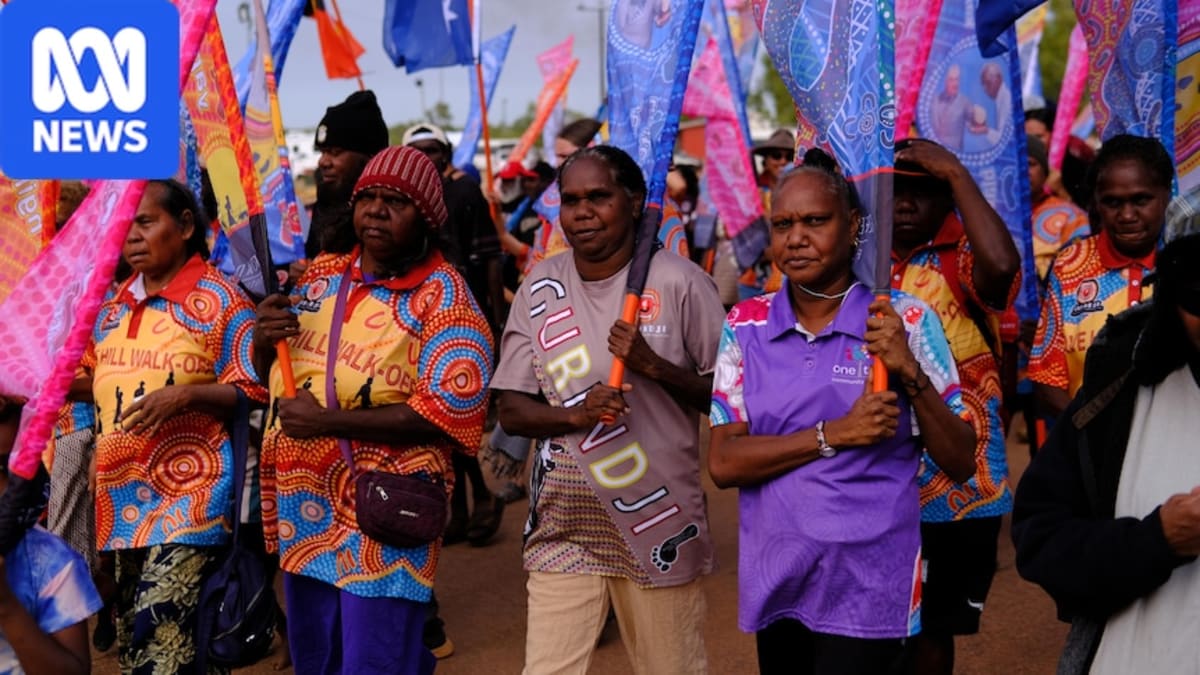
The ruling impacts over 68 Indigenous groups and millions of Afro-Mexican community members across the country. They can now participate directly in cases about land rights, resource management, self-governance, and budget control that affect their communities.
Three ministers voted against the ruling, arguing it overstepped the court's authority. "This decision breaks the separation of powers," Minister Espinosa Betanzo said, suggesting the court was effectively creating law rather than interpreting it.
Minister Ríos González, who also opposed the ruling, clarified that voting against didn't mean opposing Indigenous rights. The dissent focused on the legal process rather than the outcome.
Chief Justice Aguilar Ortiz, speaking from personal experience as a member of an Indigenous community, framed the decision as a long-overdue correction to centuries of systematic exclusion from the justice system.
Mexico joins a growing number of Latin American countries expanding Indigenous participation in their highest courts and constitutional processes.
Based on reporting by Mexico News Daily
This story was written by BrightWire based on verified news reports.
Spread the positivity!
Share this good news with someone who needs it