Mexico Reroutes $8B Train to Preserve Ancient Cave Art
When archaeologists discovered 4,000-year-old rock paintings along a new train route, Mexico's president made a choice that put history first. The $8 billion project will take a new path to protect 16 precious artworks forever.
Mexico just proved that progress and preservation can go hand in hand.
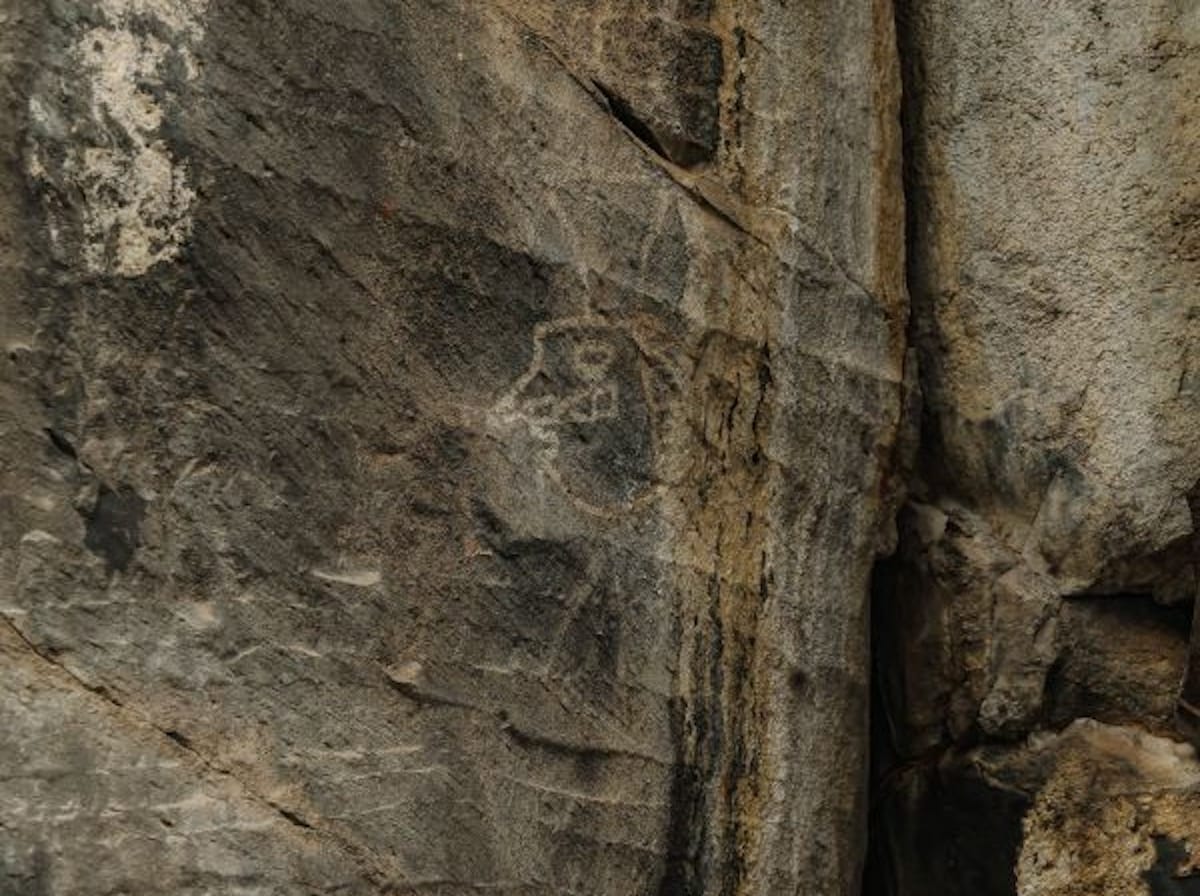
Archaeologists working along the route of a planned passenger train between Mexico City and Querétaro discovered 16 stunning pre-Hispanic artworks this January. The find includes paintings and petroglyphs hidden on two cliffs in Hidalgo state, some dating back over 4,000 years.
President Claudia Sheinbaum didn't hesitate. She announced the $8 billion train route would be changed to preserve the ancient site.
The discovery happened through a government-supported archaeological project led by the National Institute of Anthropology and History (INAH). Teams documented the artworks carefully before making their findings public last week.
Some paintings date to the Postclassic period between 900 CE and 1521, when the Aztec empire rose and fell. Others reach back into prehistory, created by artists who lived 4,000 years ago or more.
The artworks show incredible detail. One figure holds a chīmalli, an elaborate Aztec shield made from bird feathers. Another wears a headdress with enlarged eyes, matching descriptions of Tlaloc, the Aztec deity of rain and caves.
A prehistoric red figure clutches what appears to be either a snake or lightning bolt. Archaeologist Abel José Romero García believes the imagery connects to the final era of the pre-Hispanic Toltec city of Tula.
The ancient artists used techniques that might surprise modern viewers. They created their petroglyphs through pointillism, carefully dotting the rock surface to form images. Natural pigments brought their paintings to life.
The Ripple Effect
This discovery adds to other important finds along the train route. In March, INAH announced an altar containing human remains from 900 to 1150 CE at nearby Tula Chico.
Local communities had known about drawings in the area for decades. The Tula Archaeological Project searched the region in the 1970s and documented a deer-like figure with possible religious significance.
Now those whispers of history have become protected heritage. Through agreements between INAH and the Ministry of Defense, the artworks will remain untouched for future generations to study and appreciate.
The decision shows how major infrastructure projects can adapt when confronted with irreplaceable history, setting an example for development worldwide.
More Images



Based on reporting by Google: archaeological discovery
This story was written by BrightWire based on verified news reports.
Spread the positivity!
Share this good news with someone who needs it