Mexico Scientists Race to Protect Island's Rare Wildlife
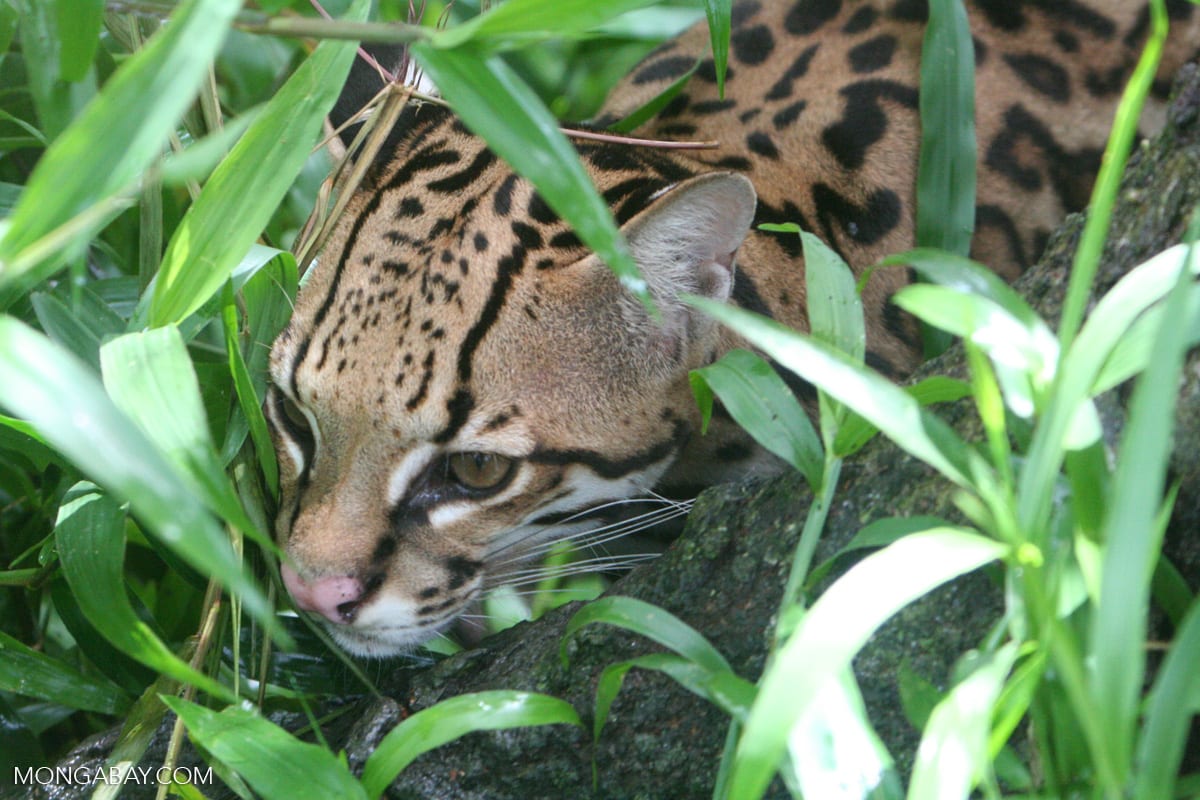
When researchers spotted an endangered ocelot on Cozumel Island in 2016, they faced an unexpected challenge: the wildcat threatened species found nowhere else on Earth. Scientists are now working to protect the island's unique animals while monitoring this beautiful but risky newcomer.
Scientists studying wildlife on Mexico's Cozumel Island discovered a surprising dilemma when camera traps revealed an unexpected visitor in 2016.
An ocelot, a spotted wildcat endangered across much of North and South America, had somehow arrived on this Caribbean island. For the first time in years of wildlife monitoring, the medium-sized predator appeared where it had never been seen before.
The discovery created an unusual conservation puzzle. Ocelots are declining across their range from Texas to Uruguay and are protected as endangered in the United States. But on Cozumel, this same beautiful cat poses a serious threat to animals that exist nowhere else on the planet.
Luis-Bernardo Vázquez leads the research team at El Colegio de la Frontera Sur's Urban Ecology Lab. His team had been monitoring the island's wildlife for years using camera traps and surveys before the ocelot appeared.
"Before 2016 we never detected any ocelot on the island," Vázquez explained. The years of data with no sightings suggest the species wasn't present before that time.
The ocelot threatens several species unique to Cozumel, including three types of endemic mice and rats, a dwarf peccary, and the Cozumel curassow bird. These island animals evolved without experience defending themselves against such an effective predator.
Researchers believe the ocelot likely arrived through human activity. Wild cats are sometimes kept illegally as pets or used in tourism attractions in southern Mexico, so the animal may have escaped or been released from captivity.
Why This Inspires
While just one ocelot has been spotted so far, scientists are taking action to prevent a breeding population from establishing. Their quick response shows how conservation can adapt to unexpected challenges.
Other introduced predators like margays and boa constrictors have already established breeding populations on Cozumel and threaten native wildlife. By monitoring the situation closely, researchers hope to prevent the same outcome with ocelots.
David Will of Island Conservation highlighted the complexity scientists face. "A species can be endangered in one place and ecologically damaging in another," he noted, adding that the real challenge is navigating competing conservation priorities.
The team continues monitoring Cozumel's wildlife and working to prevent future invasive species introductions. Their dedication shows how protecting nature sometimes means making difficult choices to preserve the rarest species while respecting all wildlife.
More Images


Based on reporting by Mongabay
This story was written by BrightWire based on verified news reports.
Spread the positivity!
Share this good news with someone who needs it