Mexico Vaccinates Millions as Measles Outbreak Sparks Action
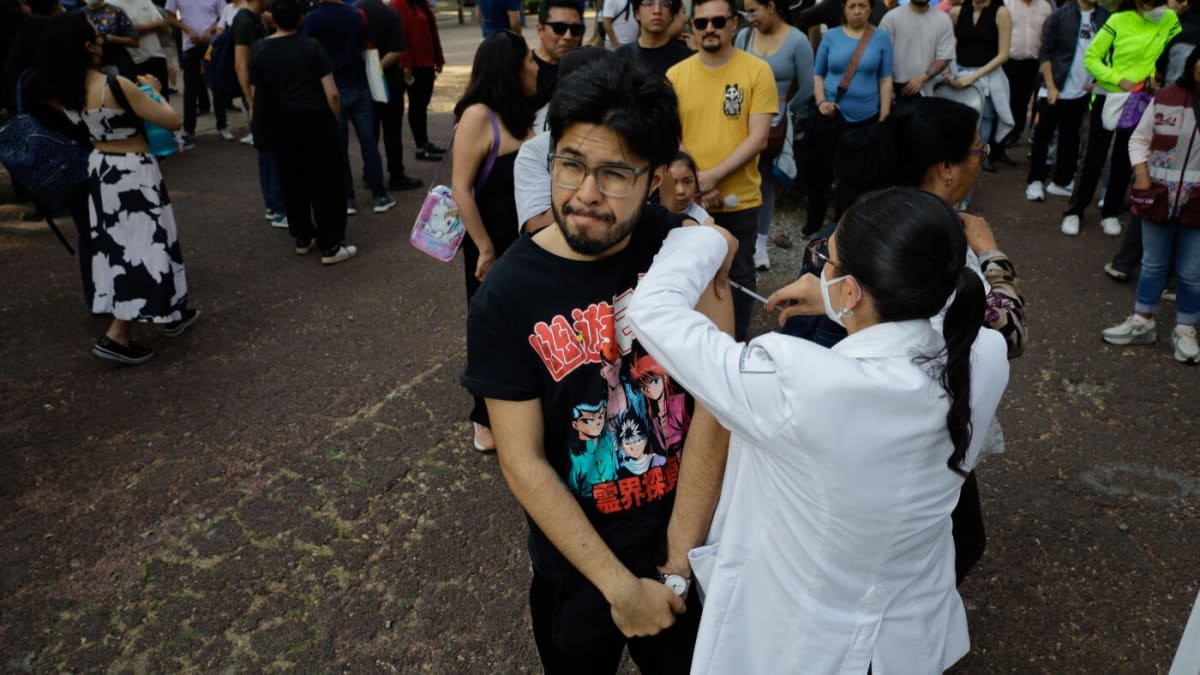
When measles cases surged in Mexico, the government launched one of the world's most creative vaccine campaigns, reaching 2.5 million people weekly through pop-up clinics in bakeries, bus stations, and shopping malls. Lines stretched for hours as worried families rushed to protect their loved ones.
Nurses knocked on doors across Mexico City while vaccine stations popped up in the most unexpected places: bakeries, movie theaters, even traffic roundabouts.
This wasn't business as usual. Mexico launched an ambitious campaign to vaccinate 2.5 million people each week after measles cases exploded across the country, reaching over 36,000 suspected cases since January 2025.
The response was immediate and creative. QR codes on posters directed people to the nearest vaccination site. WhatsApp groups buzzed with wait time updates. Families shared tips on the fastest locations.
"People were very worried," says Erica Briones Chavez, a nurse at a public medical center in Mexico City. "For a couple of months we were doing two to three hundred vaccinations a day. Mothers, fathers, teenagers and babies. Even the grandparents wanted to get vaccinated."
The lines told the story. People waited up to two hours for their shots, a visible sign that communities understood the stakes.
The outbreak began when a 9-year-old child from a Mennonite community in Chihuahua fell ill after visiting relatives in Texas. With low vaccination rates in Mennonite communities and gaps in Mexico's overall coverage, the highly contagious disease spread rapidly. Measles can infect up to 90% of unvaccinated people nearby and spreads through the air before symptoms even appear.
Mexico's vaccination system was once the gold standard in Latin America. The country provided universal free vaccines and achieved herd immunity across multiple diseases. That success brought an unexpected challenge: as diseases became invisible, people perceived less risk.
The government is working to rebuild that trust. Daily case updates keep the public informed. Mobile clinics meet people where they are. Nurses take time to answer questions and counter misinformation they encounter, especially from social media.
The Ripple Effect
The campaign shows how quickly communities can mobilize when they understand the threat. Beyond the raw numbers, something deeper happened: grandparents who'd never needed measles shots requested them to protect their grandchildren. Teenagers showed up without being asked. Entire families coordinated their vaccination schedules.
Public health researcher Sergio Meneses Navarro notes that while the campaign could be more targeted toward underserved regions, the massive response demonstrates that people want to protect their communities. "Measles isn't a disease of the past. It's a disease we have the technology to prevent," he says.
The high turnout reinforces a powerful truth: when governments make vaccines accessible and communities understand the stakes, people choose protection. Mexico's creative approach of meeting people in their daily lives, from bus stops to bakeries, removed barriers that often keep vaccination rates low.
More Images
Based on reporting by Google News - Vaccine Success
This story was written by BrightWire based on verified news reports.
Spread the positivity!
Share this good news with someone who needs it