Mexico's Monarch Butterflies Jump 64% in Conservation Win
After two decades fighting illegal logging, Mexico has seen monarch butterfly populations surge 64 percent this winter. The forests are healing, and millions more butterflies are making their epic 3,000-mile journey home.
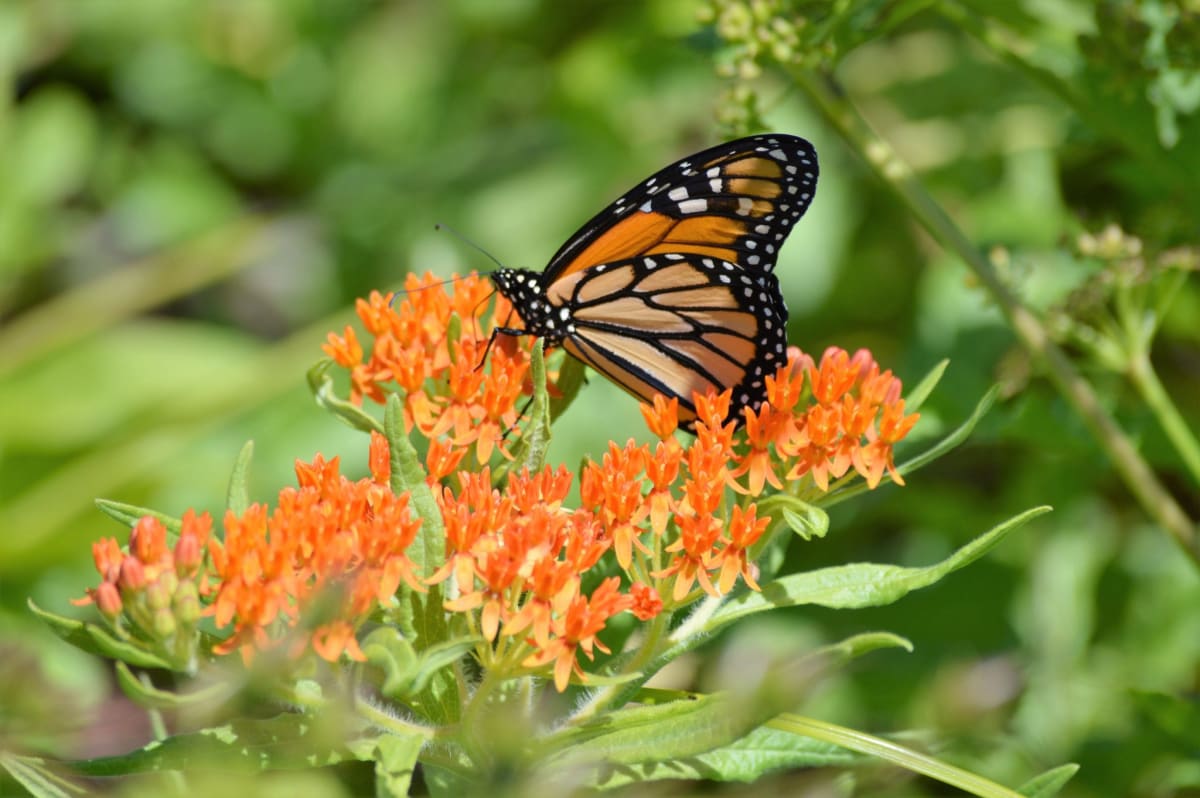
Every fall, tens of millions of monarch butterflies travel nearly 3,000 miles from Canada through the United States to the forests of western Mexico, arriving like a living orange blanket. This winter, there were noticeably more of them.
New figures from WWF Mexico show monarchs now occupy 7.24 acres of forest, up from 4.42 acres last winter. That's a 64 percent increase and the most extensive coverage since 2018.
The comeback started with addressing one of the biggest threats: illegal logging. For decades, organized crime groups linked to avocado farming had been clearing monarch habitat in Mexico's Michoacán state, sometimes violently.
In 2020, Homero Gómez González, one of Mexico's most dedicated conservators, was found dead. His family suspected he was killed by groups clearing butterfly habitat.
Yet sustained conservation pressure worked. Illegal logging in the core zone dropped from nearly 1,235 acres in 2003 and 2004 to just 6.3 acres between February 2024 and February 2025.
"Illegal logging in the core zone of the Monarch Butterfly Biosphere Reserve has been virtually eradicated since 2008," said María José Villanueva, WWF Mexico's director. The forests that shelter hibernating monarchs are finally being protected.
The Bright Side
This winter's rebound shows what becomes possible when conservation work holds steady over decades. Mexico proved that even threats backed by organized crime can be overcome with sustained commitment.
The forests stayed standing, and the butterflies responded. It took 20 years of pressure, community organizing, and refusing to give up.
The species still faces major challenges. At their peak in 1995, monarchs covered nearly 45 acres of Mexican forest, and scientists say they need at least 15 acres to survive long term. This winter's 7.24 acres is progress, but less than half of that survival threshold.
In the United States, herbicides have dramatically reduced milkweed, the only plant monarch caterpillars can eat. The Biden administration proposed listing monarchs as threatened at the end of 2024, but the Trump administration delayed the decision indefinitely.
"The monarch butterfly is the symbol of the trilateral relationship between Mexico, the United States and Canada," said Alicia Bárcena Ibarra, Mexico's environment minister. "Its conservation is a collective commitment we must maintain for the future."
A single season doesn't solve everything, but it proves the path forward works: protect the forests, restore the milkweed, and the butterflies will return.
Based on reporting by Optimist Daily
This story was written by BrightWire based on verified news reports.
Spread the positivity!
Share this good news with someone who needs it