Mexico's Timber Pavilion Saves 6 Endangered Axolotl Species
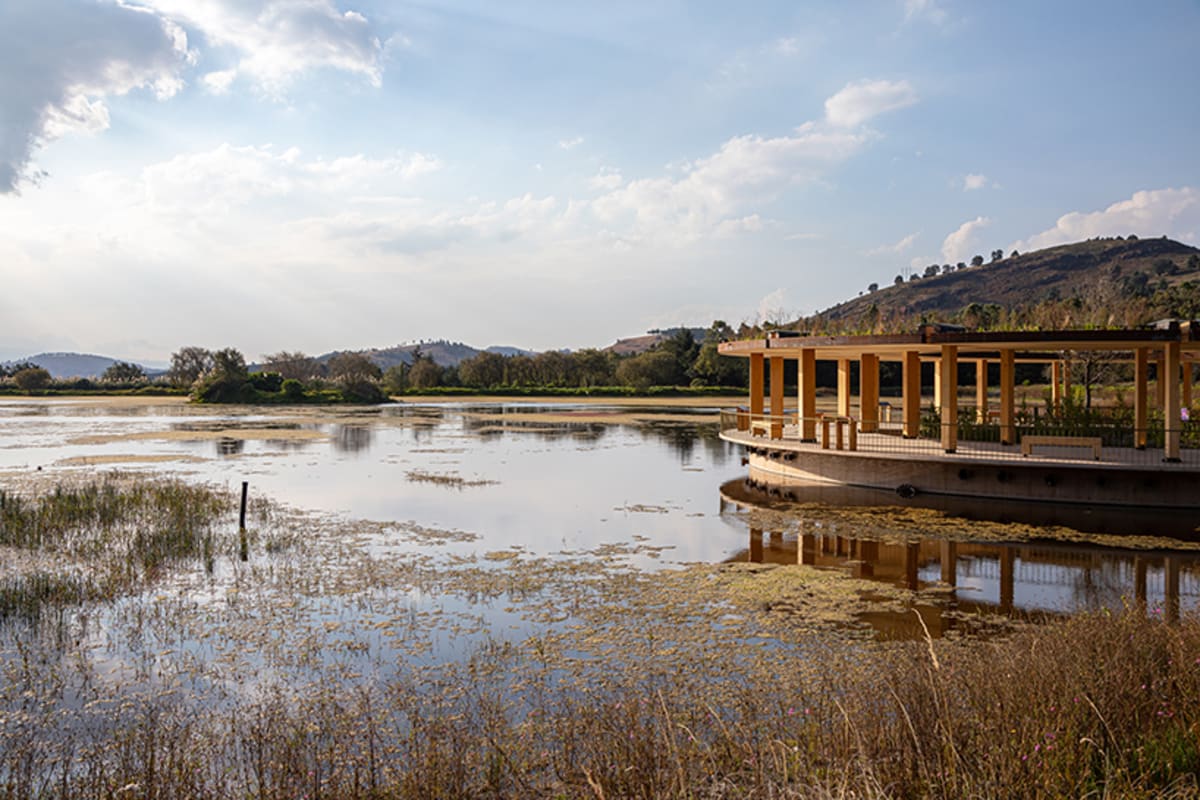
A circular wooden building in Mexico is helping save six species of endangered axolotls while cleaning 430 cubic meters of wastewater daily. The Ajolotario combines cutting-edge timber construction with wetland restoration, refilling a dying lake in just 90 days.
Mexico just opened its first cross-laminated timber building, and it's saving some of the planet's most unique creatures in the process.
The Ajolotario, a circular wildlife pavilion in Sierra Morelos Park near Toluca, is home to a conservation center dedicated to protecting six endangered axolotl species. These salamander-like amphibians, which can regenerate their own limbs and organs, are disappearing from Mexican wetlands at an alarming rate.
But this project is about more than one building. The team at Riparia MX designed an entire ecosystem recovery system that treats wastewater from nearby communities and uses it to restore a degraded lake that had been leaking and shrinking for years.
The water treatment system processes about 430 cubic meters of wastewater daily from San Mateo Oxtotitlán and surrounding areas. After biological treatment and natural filtration through constructed wetlands and streams, the clean water flows back into the park's main lake, which refilled in less than three months.
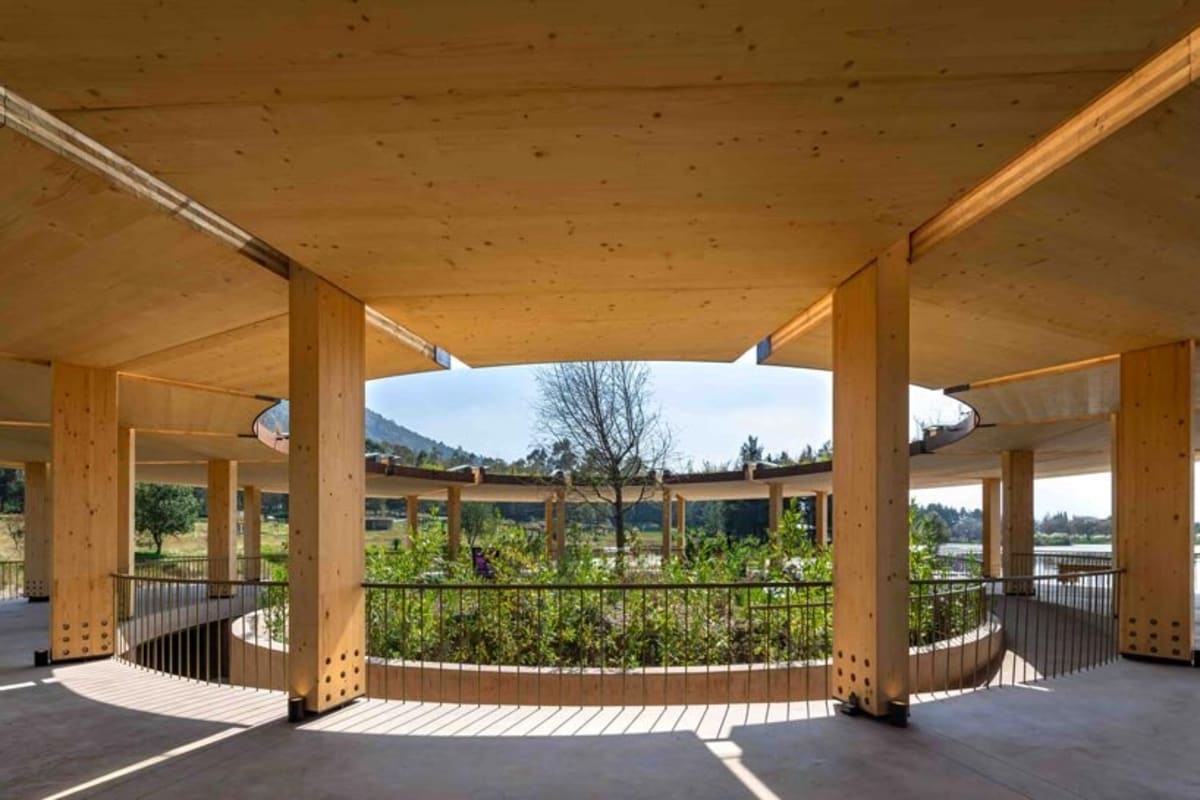
The building itself breaks new ground for Mexican architecture. Cross-laminated timber panels replace traditional concrete and steel, slashing the carbon footprint while creating a structure strong enough to withstand the challenges of sitting partially in water.
A team of 400 workers, including specially trained carpenters, assembled the pavilion in just eight months. The design features above-water and below-water viewing areas, letting visitors watch axolotls and other amphibians in their natural habitat through circular windows.
The Ripple Effect
The restored wetlands now support far more than axolotls. The team planted 20,000 native plants across 150 species, creating habitats for birds, invertebrates, and other wildlife that had abandoned the degraded site.
Leftover construction wood didn't go to waste. Workers used it to build a bat tower capable of housing 5,000 bats, and playground equipment made from recycled materials now entertains young visitors throughout the park.
Inside the pavilion, transparent laboratory walls let visitors watch biologists at work. A small theater features boat-shaped seats modeled after traditional trajineras, connecting children to Mexican heritage while teaching them about conservation.
The project proves that architecture can heal ecosystems rather than harm them. Plans for future additions include rainwater harvesting and solar panels to make the facility completely self-sufficient.
By combining water treatment, habitat restoration, and low-impact construction, the Ajolotario shows how buildings can actively contribute to solving environmental problems while educating the public about the species we stand to lose.
More Images



Based on reporting by Google News - Wildlife Recovery
This story was written by BrightWire based on verified news reports.
Spread the positivity!
Share this good news with someone who needs it