Miami Man's Routine Blood Test Catches Early Colon Cancer
Ian Ferguson, 37, had zero symptoms when standard bloodwork revealed microscopic blood loss that led doctors to discover early-stage colon cancer. His story highlights how routine screening can save lives, especially as colorectal cancer rates surge among younger adults.
A routine blood test just saved Ian Ferguson's life, and he didn't even know he was sick.
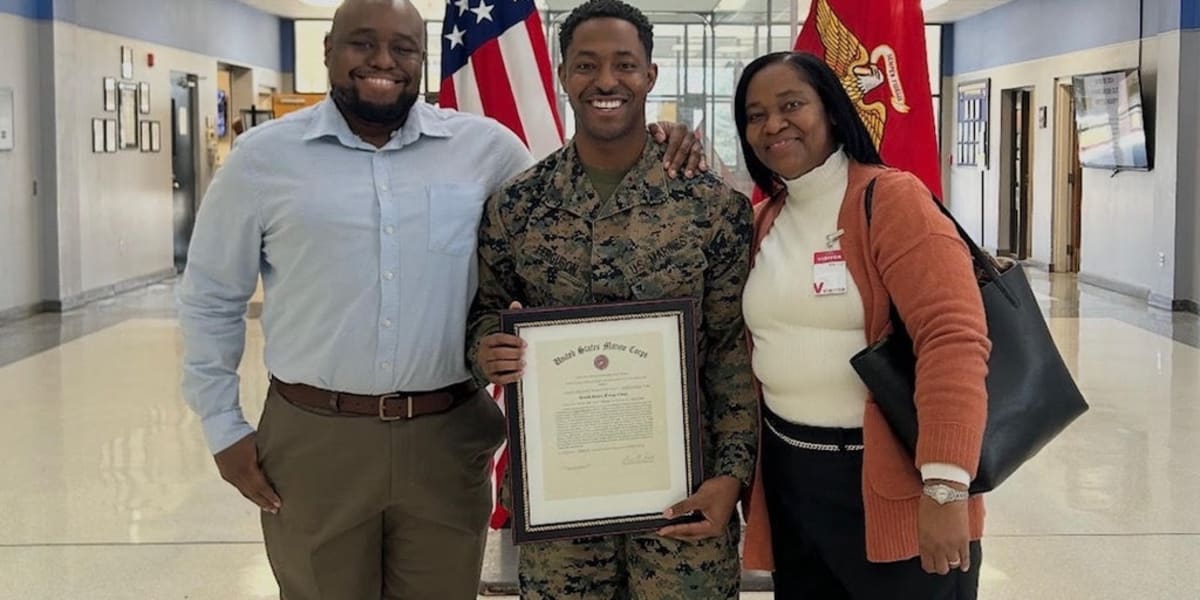
The 37-year-old Miami safety manager walked into his doctor's office feeling perfectly healthy. He requested standard bloodwork simply because "it had been a while." When results showed microscopic blood loss, his physician recommended a colonoscopy that revealed early-stage colon cancer.
Ferguson underwent successful surgery at Mount Sinai Medical Center and is now cancer-free. Because doctors caught the disease so early, he didn't need chemotherapy or radiation.
"Thankfully, they caught it early," Ferguson said. "I was able to get surgery done and get it pulled out."
Looking back, Ferguson admits he may have missed subtle warning signs like fatigue. He chalked it up to hard gym sessions or not enough sleep, especially while moving and starting a new job.
"There's always an excuse, always a reason to not be seen by a professional," he noted. "I'm glad that I was able to take the medical professional's words seriously."
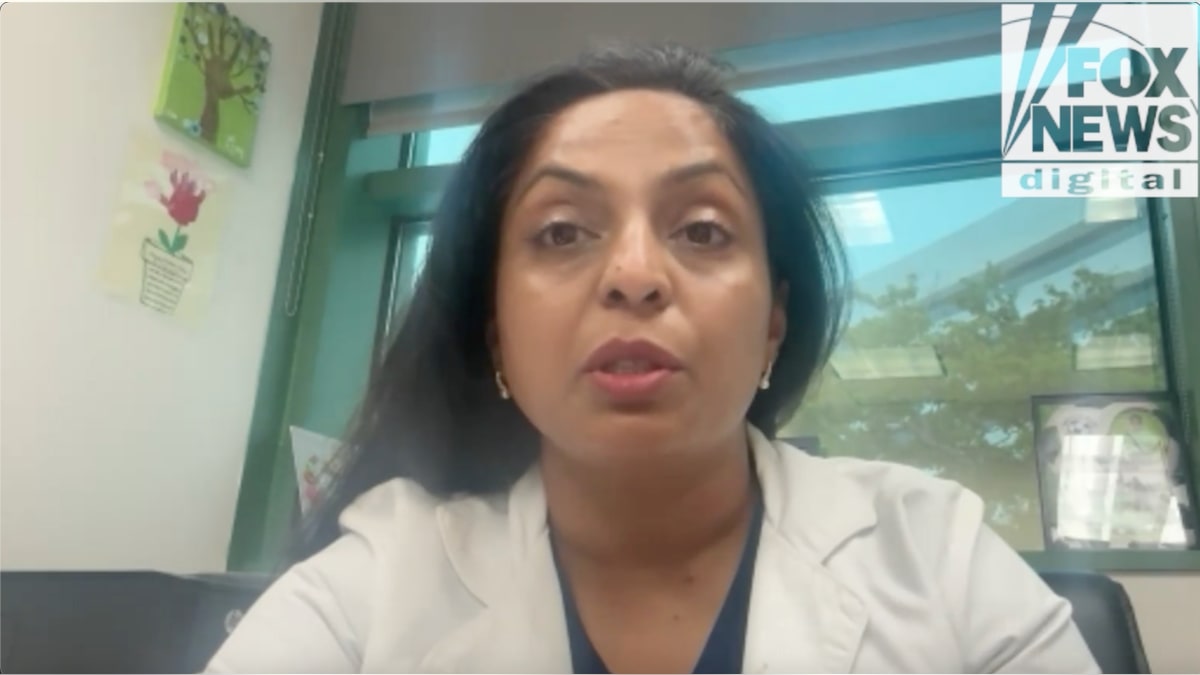
Dr. Kiranmayi Palla Muddasani, the colorectal surgeon who treated Ferguson at Mount Sinai, confirms she's witnessing an alarming trend. When she started practicing, she saw one or two young colorectal cancer patients per year. Now she sees one to two cases every month.
"Most people who have symptoms usually have advanced disease or metastatic disease," Muddasani explained. She's treated triathletes and vegans, suggesting environmental factors may be driving the increase.
The doctor sees persistent anemia as the first warning sign in about nine out of 10 younger patients who get colonoscopies. She recommends getting a routine complete blood count and basic metabolic panel yearly or every other year.
Why This Inspires
Ferguson's story proves that taking small steps for your health can make a massive difference. A simple blood test that takes minutes turned a potential tragedy into a triumph. His willingness to follow through on his doctor's recommendation, even without obvious symptoms, gave him his life back.
Now Ferguson only needs annual colonoscopies, a small price for peace of mind. "I really don't mind if it allows me to find the problem fast," he said.
The good news extends beyond early detection. Dr. Muddasani points to simple lifestyle changes that can reduce colorectal cancer risk: eating high-fiber diets, exercising regularly, maintaining a healthy weight, and avoiding ultraprocessed foods and processed meats.
Ferguson's message is clear: get your routine bloodwork done, regardless of age, because catching problems early changes everything.
More Images


Based on reporting by Fox News Health
This story was written by BrightWire based on verified news reports.
Spread the positivity!
Share this good news with someone who needs it