Michigan Invests $7.5M in Underground Clean Energy Source
Michigan is pouring millions into researching geologic hydrogen buried beneath the state, a clean energy source that produces only water when burned. If successful, it could transform heavy industries and create a new economic driver for the Great Lakes State.
Michigan just became one of the first states to invest heavily in a clean energy source that's been hiding beneath our feet for over a billion years.
The state announced $7.5 million in funding to study geologic hydrogen, a naturally occurring fuel buried deep underground. When hydrogen burns, it releases only water vapor with zero greenhouse gases or harmful pollutants.
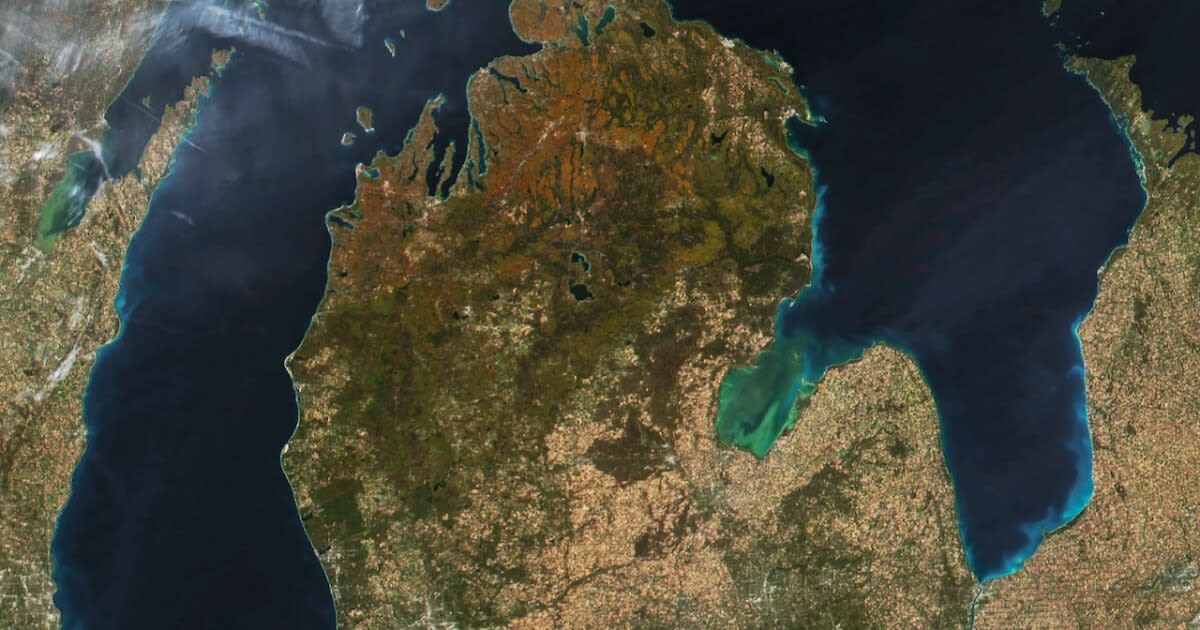
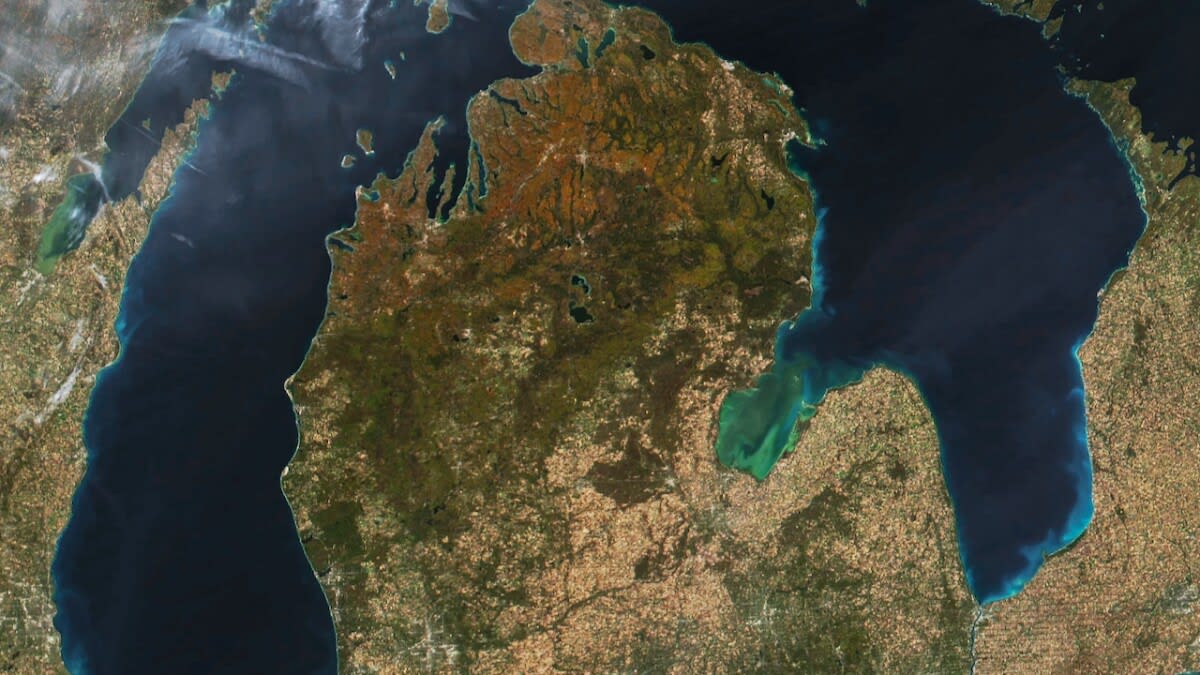
Governor Gretchen Whitmer directed state resources toward this research after a 2025 U.S. Geological Survey study identified Michigan as a hotspot for potential hydrogen deposits. The state sits atop the Midcontinent Rift, an ancient geological formation where North America nearly split apart more than a billion years ago.
"It's a major decarbonization tool, one of the strongest that we have come across," said Kevin Mehren, director of the Michigan Infrastructure Office. Energy production and transportation currently rank as Michigan's top sources of greenhouse gas emissions.
The research will focus on areas like the northern Lower Peninsula, where deeper, older rocks near the basin's edges might harbor significant hydrogen stores. Existing oil and natural gas drilling infrastructure in the region could make exploration more feasible and cost effective.
The Ripple Effect
Beyond reducing emissions, geologic hydrogen could revolutionize industries that are notoriously hard to clean up. Heavy trucking, steel manufacturing, and cement production could all run on hydrogen fuel cells instead of fossil fuels.
Brian Ellis, co-director of the University of Michigan's hydrogen research program, sees opportunity in the state's existing wells. "We haven't typically been looking for hydrogen in the past when we've drilled these wells," he said. Researchers can now mine data from previous drilling operations to identify promising hydrogen sites.
The initial state investment aims to attract federal funding too. The U.S. Department of Energy allocated $20 million for geologic hydrogen projects in 2024, signaling growing national interest in this emerging field.
Experts believe this research has rare bipartisan appeal. It combines domestic energy production with zero emissions, potentially creating new jobs while fighting climate change. "You are ostensibly drilling for zero-emission energy," Mehren explained.
The big questions remain: Is there enough hydrogen to make extraction worthwhile? Can we access it safely and affordably? And can this resource truly power Michigan's transition away from fossil fuels? The next phase of research will provide answers that could reshape the state's energy future and establish Michigan as a leader in clean energy innovation.
More Images


Based on reporting by Google News - Clean Energy
This story was written by BrightWire based on verified news reports.
Spread the positivity!
Share this good news with someone who needs it