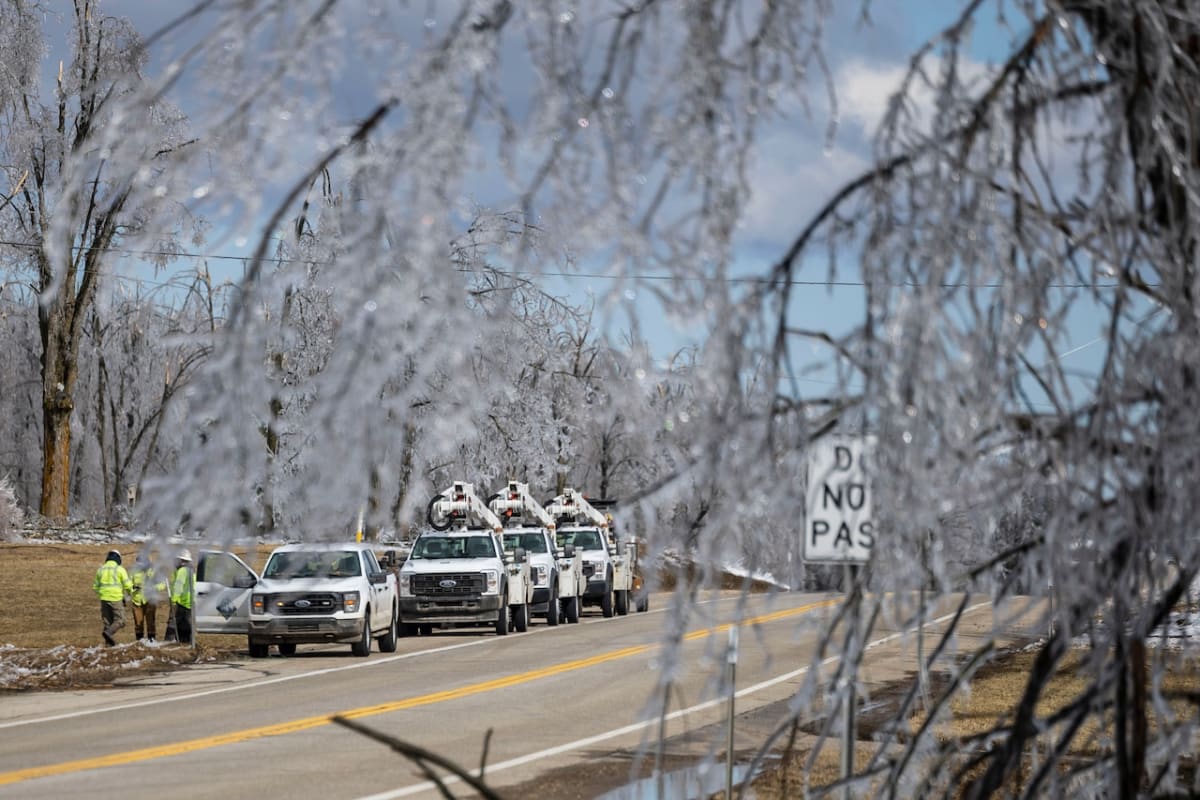
Michigan Rebuilds After Historic Ice Storm Hit 3M Acres
One year after Northern Michigan's worst natural disaster in modern history, communities have completed a massive recovery effort that brought together 700 responders and cleared thousands of miles of damaged forest. The region is healing, proving nature's resilience and human determination can overcome even century-scale destruction.
When Kerry Heckman looks across her 60-acre forest in Indian River, she sees both yesterday and a century ago. The March 2025 ice storm that devastated Northern Michigan transformed her landscape forever, but a year later, something remarkable is emerging from the wreckage.
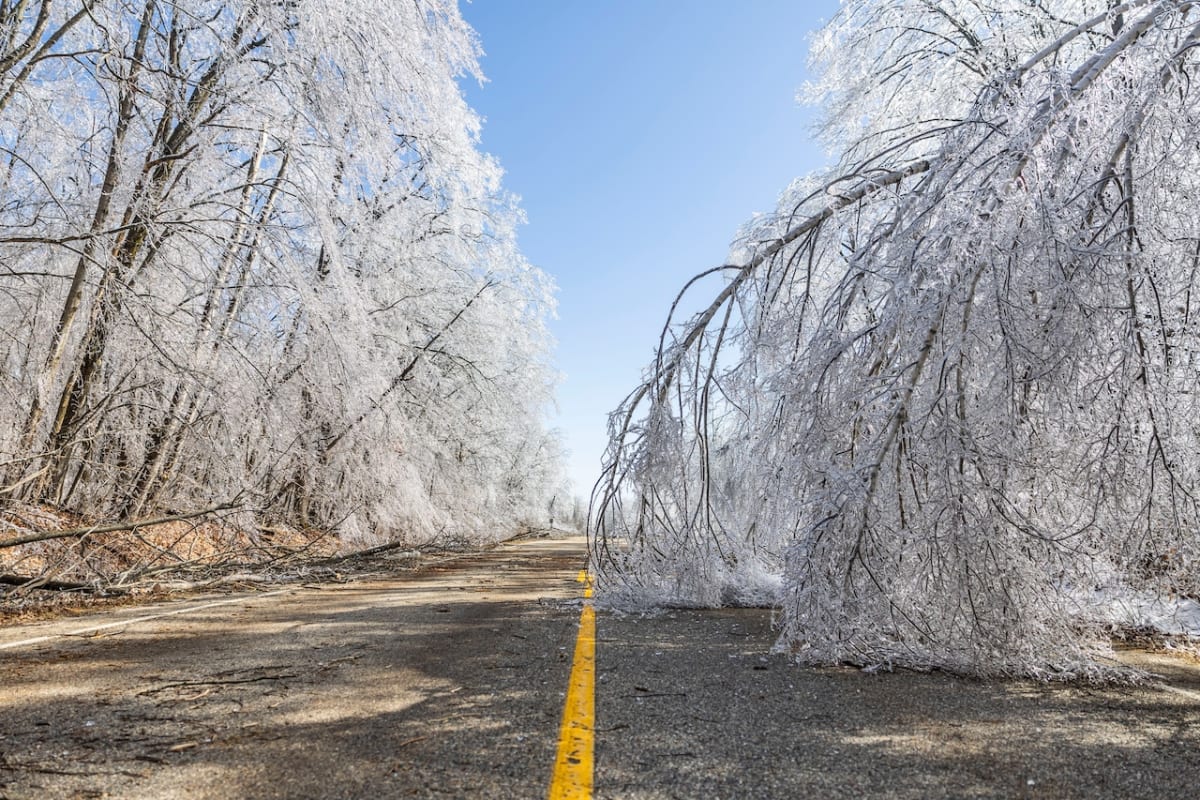
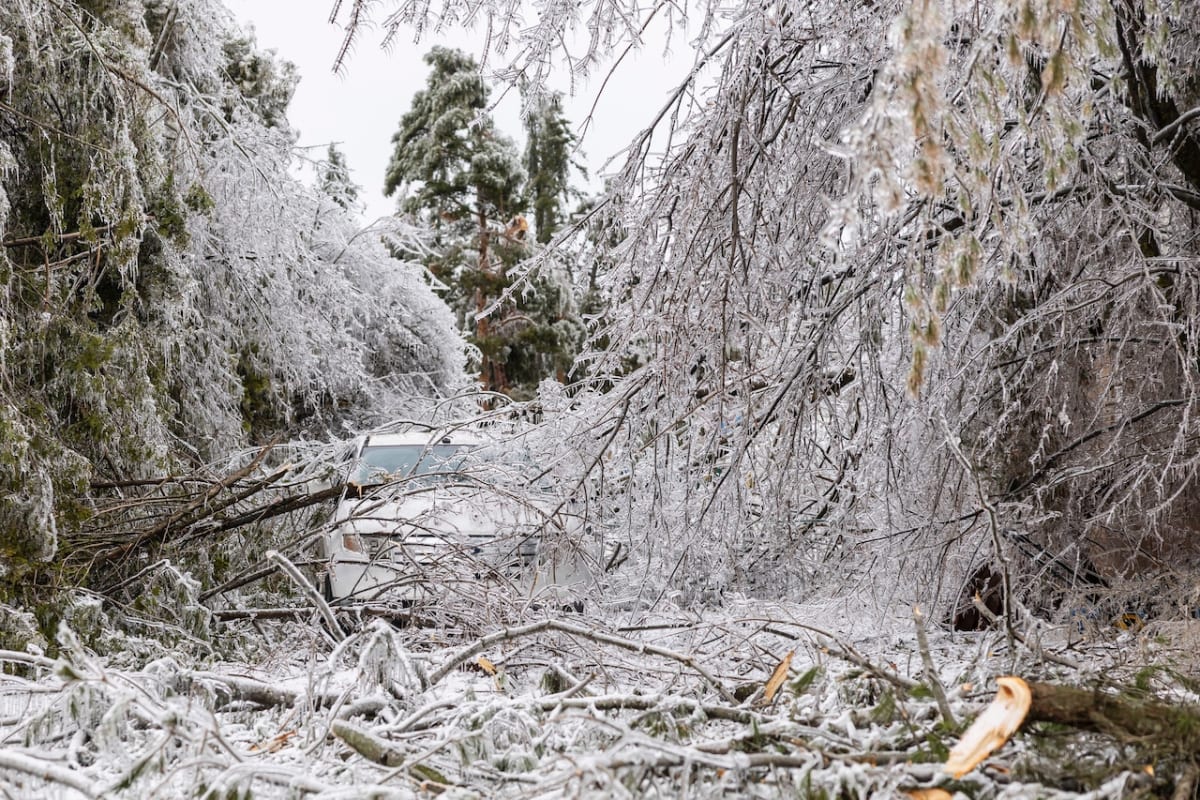
The numbers tell a staggering story. Freezing rain fell for 60 straight hours, coating 3 million acres in up to an inch of ice. Nearly 200,000 customers lost power, some for 17 days. The weight of ice turned ancient forests into kindling across an area larger than the Great Michigan Fire of 1871.
But the response became Michigan's greatest environmental mobilization. An estimated 700 personnel from the Department of Natural Resources, Michigan State Police, road commissions, and volunteer groups deployed across the disaster zone. Teams logged 69,163 hours of cleanup work through the end of the year, clearing 3,400 miles of forest roads and restoring access to 54 campgrounds and 19 state parks.
Heckman, who led communications for the DNR's Ice Storm Response Team, had responded to wildfires, tornadoes, and blizzards across the country. Nothing compared to this. "This is hands down the worst natural disaster I've ever been through," she said.
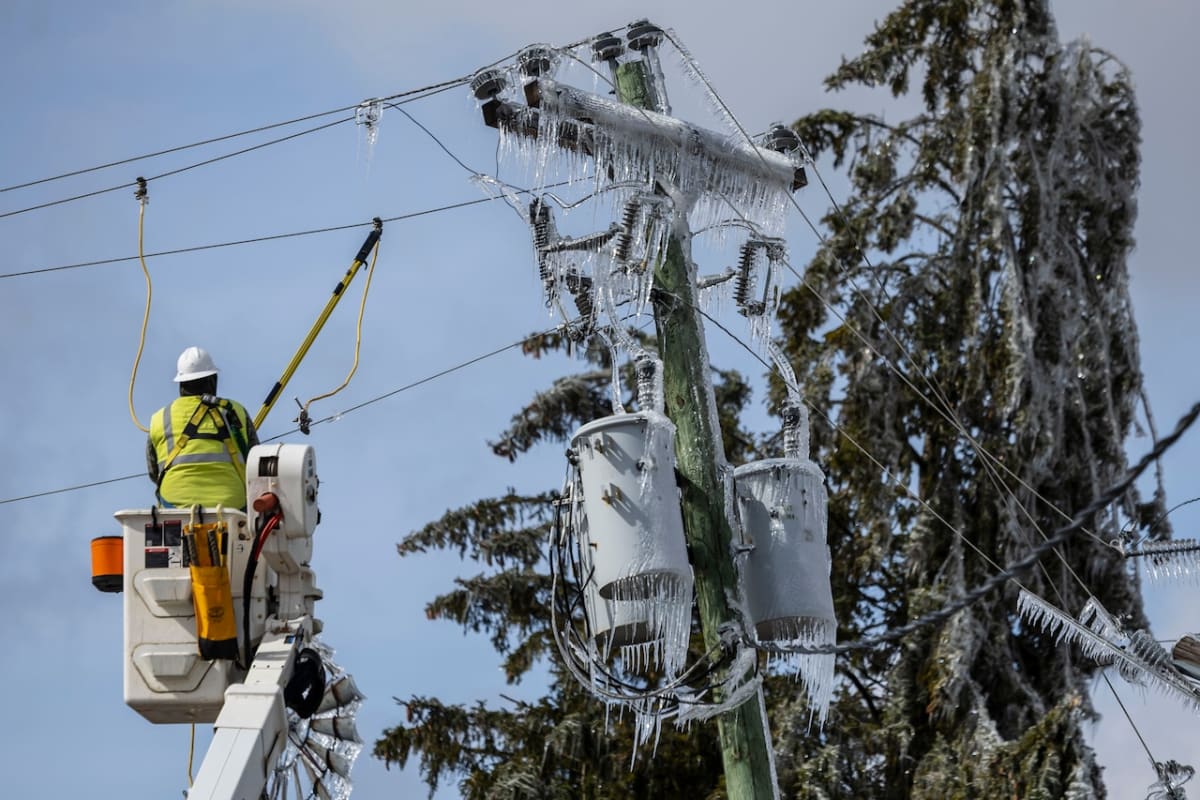
The recovery race was on. With camping season just 60 days away, crews worked around the clock to reopen recreation areas that draw millions of visitors. Great Lakes Energy replaced more than 3,100 broken power poles and repaired 4,300 miles of electrical line. Trail groups and snowmobile volunteers joined professionals to tackle debris across 3,290 miles of pathways.
The Bright Side
Today, just 265 miles of forest roads remain impassable, down from thousands. State parks welcomed visitors back for summer 2025. Power companies rebuilt their infrastructure stronger than before, investing $305 million in improvements that will protect communities for generations.
Nature is doing its part too. Heckman sees it daily in the resilience of surviving trees and new growth pushing through the forest floor. The landscape will never look the same in her lifetime, but it's healing without human intervention in many areas.
The storm's financial toll was enormous. Power cooperatives sustained $305 million in damages, and projected timber revenue losses exceed $27 million. Yet communities rallied, neighbors helped neighbors, and Michigan proved what's possible when people work together.
Forest assessments show 19,000 acres suffered severe damage and 35,000 acres moderate damage. These numbers represent not just loss but a roadmap for restoration. The DNR continues monitoring recovery, helping nature along where needed while letting forests heal themselves where possible.
From broken power poles to fallen red pines, Northern Michigan faced its greatest test. The region answered with its greatest comeback.
More Images

Based on reporting by Google News - Recovery Story
This story was written by BrightWire based on verified news reports.
Spread the positivity!
Share this good news with someone who needs it