Michigan Schools Go Green, Cut Costs With Clean Energy
Michigan public schools are slashing utility bills and modernizing aging buildings through geothermal systems and solar panels, while creating quality jobs for skilled workers. Nearly 67% of schools have completed energy audits, unlocking $20 million in state funding for upgrades.
Michigan schools are proving that going green can save money while giving students healthier places to learn.
The new Michigan Climate Jobs coalition launched in February, bringing together labor unions and education groups to help schools transition to clean energy. Their first big win secured $20 million in state funding after two-thirds of Michigan's public schools completed energy audits to identify where they could cut costs.
Those audits revealed huge opportunities. Heating and cooling systems, geothermal installations, and solar panels topped the list of upgrades that could reduce both energy use and monthly bills.
Ida Public Schools just wrapped up a geothermal project that taps the earth's constant underground temperature to heat and cool buildings naturally. Voters approved the plan in November 2023, and the district finished installation by June 2025.
"Improved air quality, more consistent indoor temperatures and reduced environmental impact contribute to a healthier and more sustainable learning environment," said Chad Baas, the district's former business manager. Federal rebates from the Inflation Reduction Act helped offset the upfront costs.
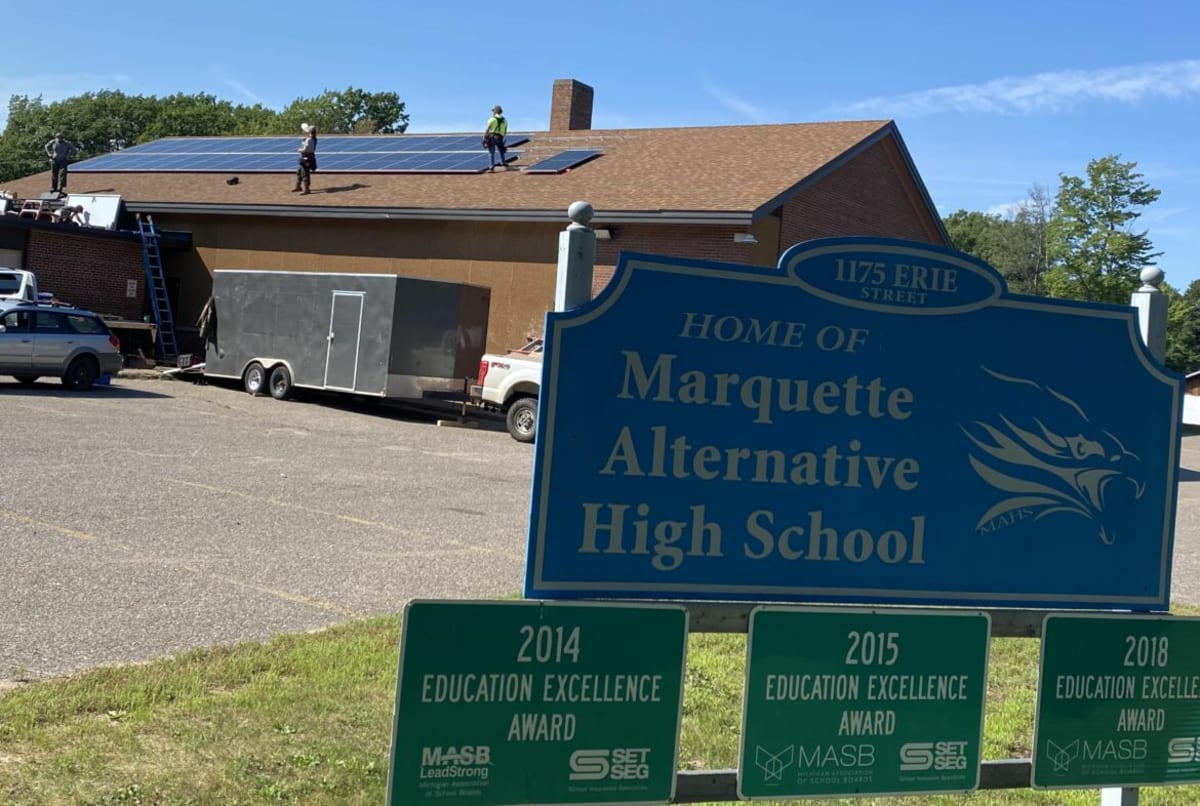
At Marquette Alternative High School, students didn't just learn about solar energy. They built their own 18.1-kilowatt solar system over four years for just over $69,000.
The student-designed panels now generate one-third of the school's electricity. Teacher Brian Prill, who guided the project, said the money saved on electric bills is funding even more panels.
"I think it should be part of our education system to empower young people to understand they can change the world and make it a better place," Prill said. His students are now working toward powering 100% of their school's energy needs.
The Ripple Effect
These projects couldn't come at a better time. The average Michigan school building is 60 years old, meaning outdated heating systems and sky-high utility bills have become the norm.
But the clean energy transition means more than just lower costs. It's creating quality jobs for skilled workers across the state.
"This is a huge undertaking," said Brett Smith, vice president of the Michigan Education Association. "You have to use trained and certified workers so these systems are safe and built to last."
Sarah Roberts, executive director of Climate Jobs, said putting workers at the center of the clean energy economy was always the goal. The coalition includes building trades, skilled trades, and teachers' unions working together to make sure the transition benefits everyone.
Every school that switches to clean energy frees up budget dollars that can go toward teachers, books, and programs while giving students cleaner air to breathe and a hands-on lesson in building a sustainable future.
Based on reporting by Google News - Clean Energy
This story was written by BrightWire based on verified news reports.
Spread the positivity!
Share this good news with someone who needs it