Michigan Teens Win $42K Creating Eco-Friendly Innovations
High school students from Midland, Michigan turned algae into sustainable packaging and rural safety tech into real solutions, taking home thousands in scholarships and grants. Their inventions tackle plastic waste and traffic deaths with creativity that proves the next generation is already solving tomorrow's problems.
Three Michigan high school teams just proved that teenage ingenuity can solve real-world problems while winning serious money for their futures.
Students from H.H. Dow High School and Midland High School competed at Saginaw Valley State University's A.H. Nickless Innovation Award on April 25, with Dow teams sweeping the top two spots. The competition awarded $42,500 in scholarships and $35,000 in STEM grants to schools.
First place went to the Amped Innovators, Dow High students Sean Park and Matthew Lee, who designed a low-cost kit for building micromobility vehicles. Their win earned them $5,000 scholarships each and a $20,000 STEM grant for their school.
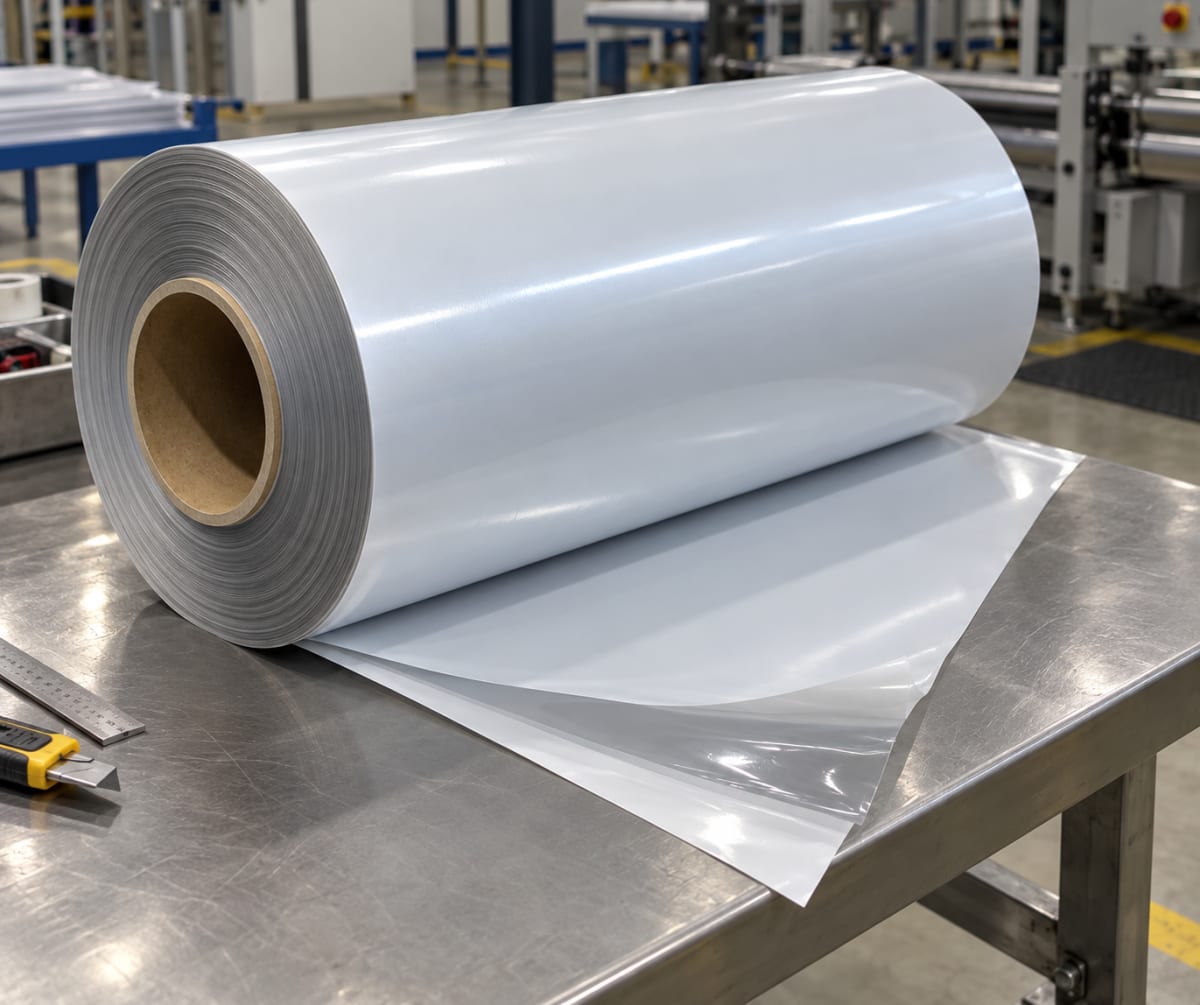
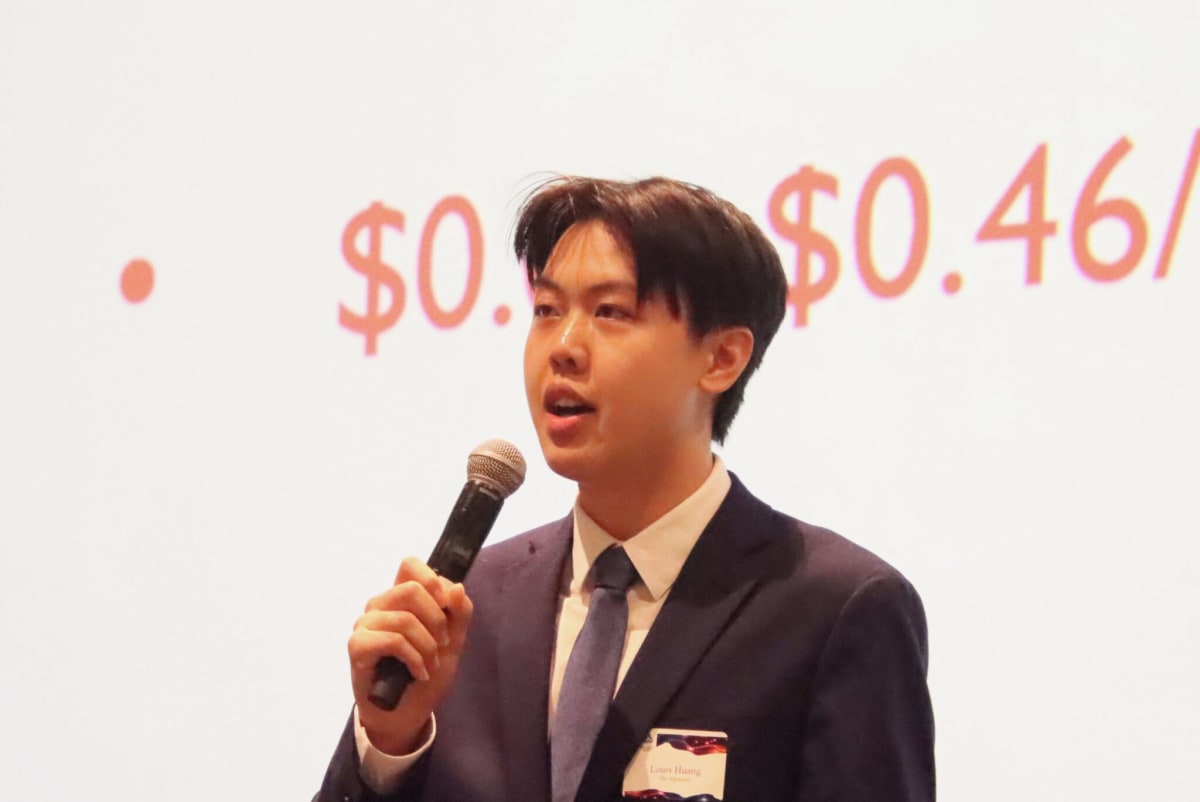
The Algineers from Dow High claimed second place with an invention that could change how we package meat forever. Team member Emma Huang explained their alginate-based absorbent pad to judges, highlighting a problem most shoppers never notice: those pads under packaged meat require plastic coating because current materials can't touch food directly.
Their solution, called AlgiFilm, eliminates the plastic layer entirely. "It's made of completely food-safe and edible materials, along with the fact that it's tasteless, so it won't affect the taste of the meat," Huang told judges. The innovation earned team members $2,500 scholarships each and a $10,000 grant for Dow High.
Midland High's Brake Dancers tackled a deadlier problem: rural intersection crashes. Their system uses LIDAR scanners to detect when approaching vehicles won't be able to stop in time, then alerts all drivers with flashing lights.
The team consulted a Midland police officer, a retired Lansing firefighter, and an MDOT engineer during their research. What they learned shocked them: 93% of crashes stem from driver behavior like distraction.
"Mr. Thompson, the firefighter, said that sometimes they know that these intersections are really dangerous, but there's nothing they can do about it," team member Cameron Cochran said. "They don't have the funding, or they don't have the technology available for them."
Teammate Lilly Skedel connected personally with the project's mission. "We're all young drivers, so it's very easy for us to all relate with that topic," she said.
The Ripple Effect
These students didn't just compete for scholarships. They identified gaps in public safety and environmental protection that adults acknowledged but couldn't solve due to funding or technology constraints. By stepping into those gaps, they created practical solutions that could save lives and reduce waste at scale.
Their work also brings significant resources back to their schools, with $30,000 in STEM grants ensuring future students have even better tools to innovate.
The competition proves that young people aren't waiting for permission to make the world better.
Based on reporting by Google News - School Innovation
This story was written by BrightWire based on verified news reports.
Spread the positivity!
Share this good news with someone who needs it