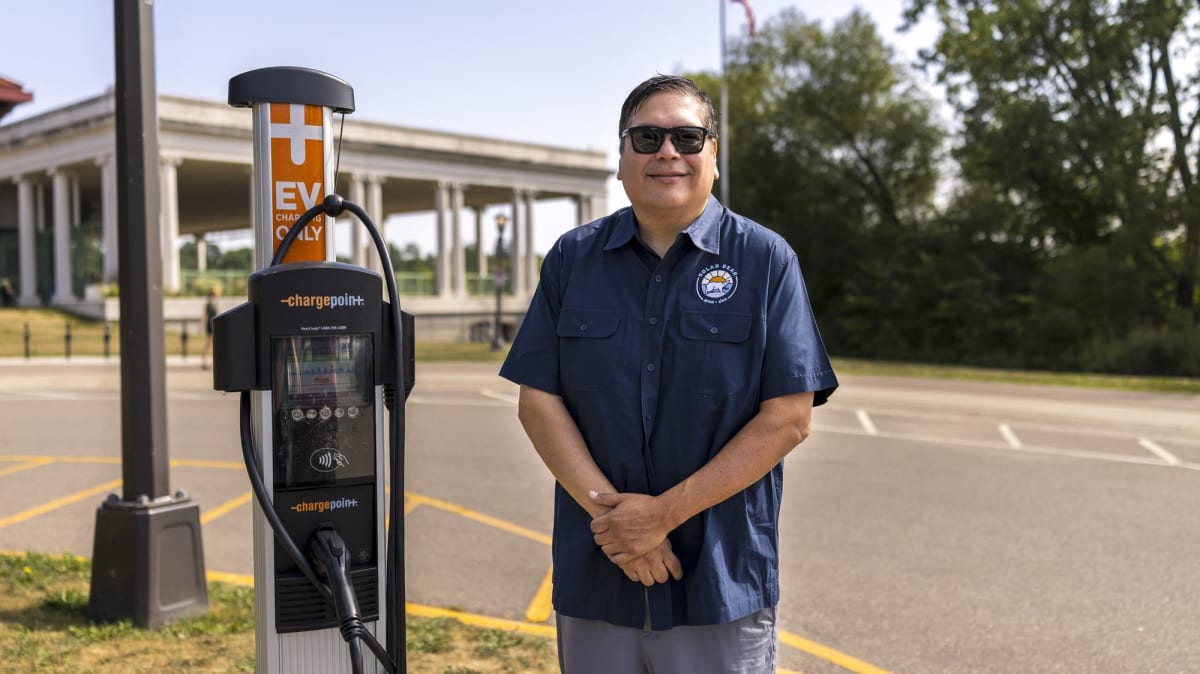
Michigan Unlocks $51M for EV Chargers Statewide
Michigan just became one of the first states to complete its highway EV charging network, unlocking $51 million to bring fast chargers to underserved communities. The milestone means electric vehicle drivers across the state will soon have more reliable charging options, no matter where they live.
Michigan just proved that building a cleaner transportation future is possible when states follow through on their promises.
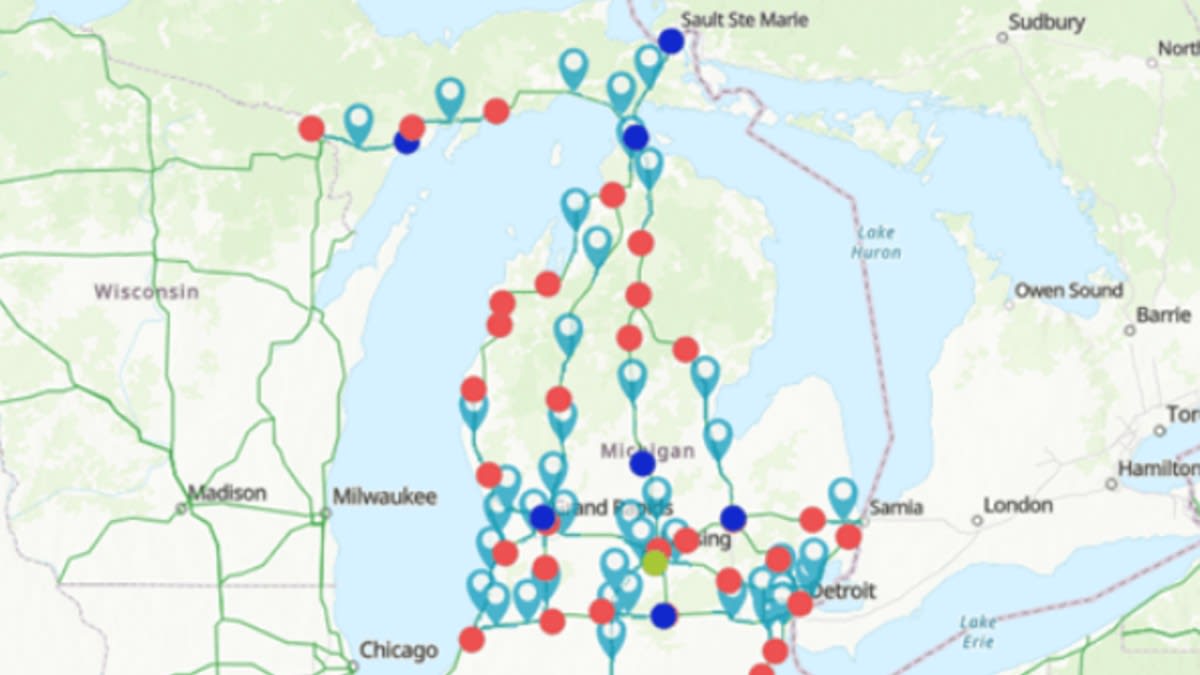
The Michigan Department of Transportation announced this week that federal officials have certified the state's highway electric vehicle charging network as "fully built out." That certification unlocks $51 million in federal funding that can now go toward filling charging gaps in communities that need them most.
Michigan received $106 million total through the National Electric Vehicle Infrastructure program. The first half went toward installing fast chargers along major highway corridors, a federal requirement every state had to meet first.
Now comes the exciting part. With highways covered, Michigan can focus the remaining funds on geographic gaps, improving charger reliability, and expanding access for medium-duty vehicles and fleets.
The state is already working on 83 charging stations from its first two funding rounds. A third round of applications is opening soon, designed to give every Michigan community a chance to apply for funding.
State officials are coordinating with local governments, tribal nations, utilities, and private companies to identify the best locations for new chargers. They're aligning new charging sites with economic development, tourism, and long-term grid planning.
The Ripple Effect
This isn't just about electric vehicles. Communities that get new charging stations often see increased tourism and business investment. Small towns along popular routes become destinations instead of drive-through zones.
Reliable charging infrastructure also makes electric vehicles practical for more families, especially those who can't charge at home. That means cleaner air in communities that have historically borne the burden of vehicle pollution.
Michigan's success creates a roadmap for other states working toward the same goal. When charging infrastructure meets people where they are, the transition to cleaner transportation becomes accessible to everyone, not just early adopters in wealthy areas.
The state plans to share updates and new funding opportunities as more sites come online, keeping communities informed throughout the buildout.
Michigan just showed that meeting climate goals and serving communities can happen at the same time.
More Images



Based on reporting by Google News - Electric Vehicle
This story was written by BrightWire based on verified news reports.
Spread the positivity!
Share this good news with someone who needs it