Micronesia Internet Costs Drop 99% After Ending Monopoly
Internet access jumped 2,000% and costs plummeted from $65 per Mbps to just 78 cents in Micronesia after the government ended a telecom monopoly in 2014. Now 88% of residents across 600+ remote islands can afford to get online.
Imagine paying several hundred dollars a month for basic internet speeds, then watching that bill drop to pocket change while your connection gets 20 times faster.
That's exactly what happened across the Federated States of Micronesia, where ending a government monopoly transformed one of the world's most expensive internet markets into an affordable success story.
For three decades, FSM Telecommunications Corporation held the only license to provide phone and internet service across more than 600 small islands scattered across 2.9 million square kilometers of ocean. Board members were appointed by government officials, and competition didn't exist.
The results were predictable. Mobile internet data cost $705 per megabyte per second. Home broadband ran $65 per Mbps monthly, pricing most islanders out of digital life entirely.
Everything changed in 2014 when the World Bank urged FSM to pass the Telecommunications Act. The law opened the market to competition, and companies like Kacific, Starlink Pacific, iSolutions Micronesia, and iBoom rushed in with new services.
The transformation happened fast. Internet access soared from a tiny fraction of the population to 88% today. Mobile data costs dropped from $705 to just $30 per megabyte per second. Home broadband fell to 78 cents per Mbps, a 99% reduction.
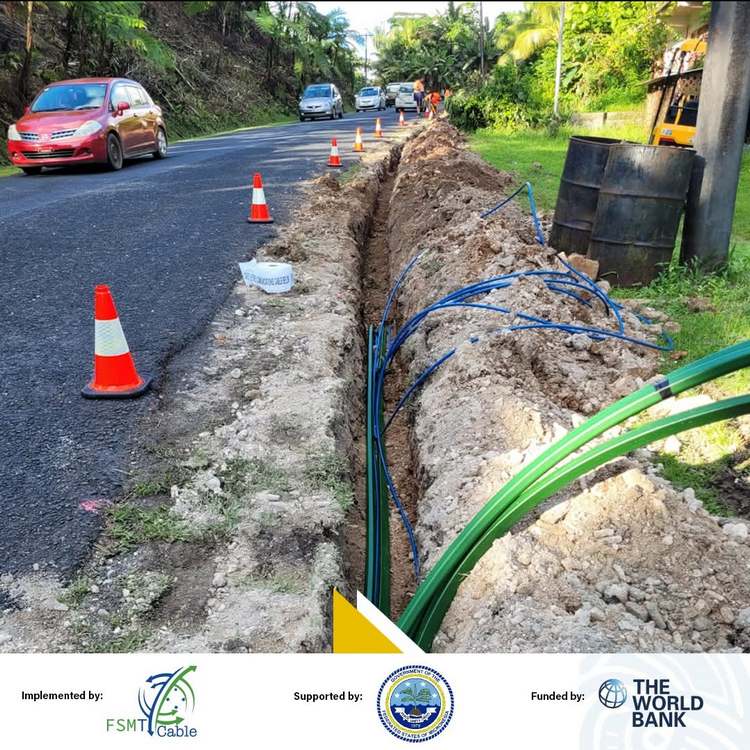
Companies laid over 1,500 kilometers of undersea fiber optic cables connecting the islands. Advanced satellite networks sprang up on the most remote atolls, bringing instant communication to communities that had been largely isolated.
The Ripple Effect
The changes go far beyond cheaper Netflix streaming. Digital government services that were impossible under slow, expensive internet now reach across the archipelago.
Remote healthcare consultations connect outer island clinics with specialists. Digital ID systems work reliably. Electronic voting becomes feasible even on the most distant islands.
FSM also became a landing point for the East Micronesia Cable system, extending benefits to neighboring island nations Kiribati and Nauru. The World Bank's Digital FSM Project, launched in 2020, continues pushing connectivity further.
The story proves what competition can accomplish even in the world's most challenging markets. When 600 islands spread across an ocean area larger than Western Europe can get affordable high-speed internet, anywhere can.
More Images
Based on reporting by Good News Network
This story was written by BrightWire based on verified news reports.
Building Something New? Try the BrightWire Tech Stack Advisor
Compare modern frameworks, cloud hosting, and AI tools tailored to your project budget and scale.
Spread the positivity!
Share this good news with someone who needs it