Microsoft Builds Android OS That Creates Apps On-the-Fly
Microsoft just unveiled Project Solara, an Android-based operating system that uses AI agents to generate custom interfaces instantly based on what you need in the moment. Instead of downloading apps for every device, future gadgets could create their own interfaces on the spot.
📺 Watch the full story above
Microsoft just showed the world what computing might look like when AI agents replace traditional apps.
At Build 2026, the tech giant unveiled Project Solara, a new Android-based operating system designed around a revolutionary idea: devices that build their own interfaces in real time. Rather than cramming the same apps onto watches, phones, and smart displays, Solara lets AI agents create custom interfaces that make sense for each screen and situation.
The concept addresses a real problem. Every time technology shifts to a new form factor, developers spend years and millions rebuilding everything from scratch. Microsoft learned this lesson the hard way when it fell behind during the mobile revolution, struggling with app availability and support.
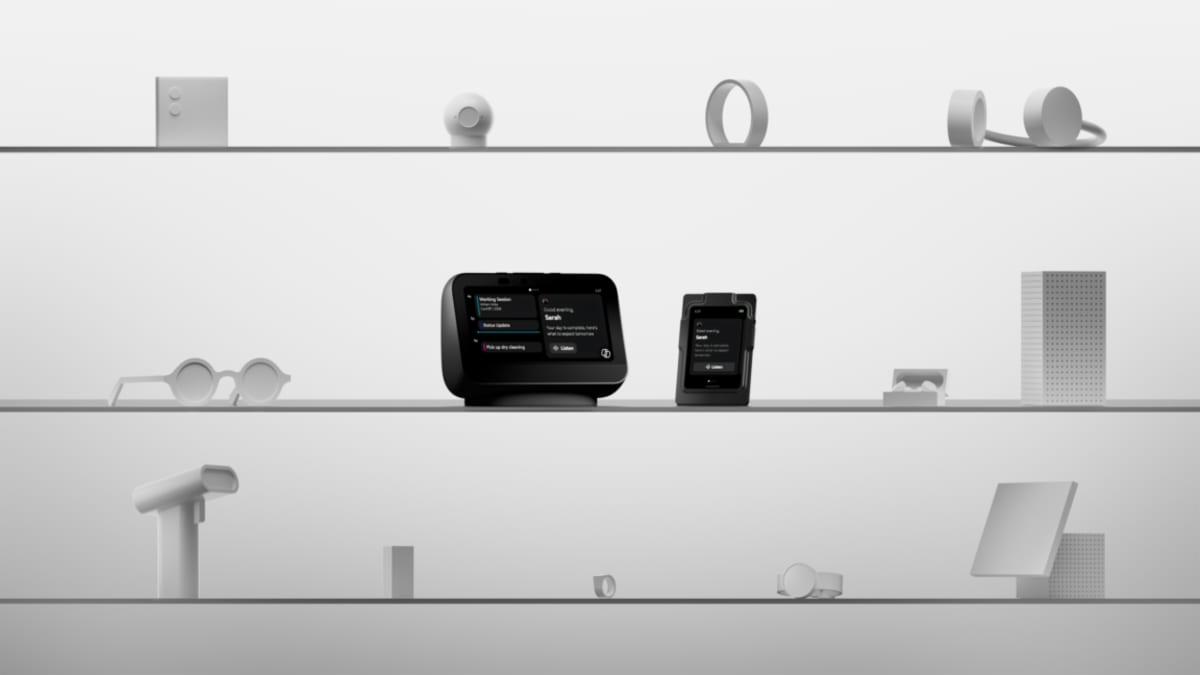
Project Solara proposes a different path. The system uses what Microsoft calls "just-in-time UI," where AI agents generate interfaces based on context. Your work badge might show one simple button, while the same function on a desk display would include rich data and controls. The underlying technology would stay the same, but the presentation would adapt.
Microsoft demonstrated two concept devices to illustrate the vision. The Desk Concept looks like a smart display with a touchscreen and camera, keeping you updated on what your AI agents are doing while doubling as a secondary monitor. The Badge Concept transforms your lanyard ID into a fully functional device with 5G, a camera, and fingerprint scanner for secure access to your personal AI agents.
The company has partnered with AccuWeather, Best Buy, CVS Health, Levi's, and Target to explore real-world applications. These collaborations will help shape how agent-first devices might actually work in everyday situations.
The Ripple Effect
Microsoft isn't alone in betting on this future. Google recently previewed similar agent-first search tools at its I/O conference, instantly building dashboards and mini-apps based on queries. The entire tech industry seems to be moving toward interfaces that adapt to us, rather than forcing us to adapt to them.
This shift could democratize technology creation in powerful ways. Small businesses wouldn't need expensive app development to create custom tools. Healthcare providers could generate patient interfaces on the fly. Students could get learning experiences tailored to their exact needs and available devices.
Microsoft is clear that this remains a concept without current working implementations. But the company is committing significant resources to make it real, viewing agent-first computing as the natural evolution beyond apps.
The vision represents a hopeful pivot: technology that molds itself around human needs instead of requiring us to learn new interfaces for every device we touch.
More Images



Based on reporting by Ars Technica
This story was written by BrightWire based on verified news reports.
Spread the positivity!
Share this good news with someone who needs it