Microsoft Stores 37 iPhones' Worth of Data in Glass
Scientists created an automated system that stores massive amounts of data in glass that could last over 10,000 years. This breakthrough could transform how we preserve everything from cultural treasures to scientific records.
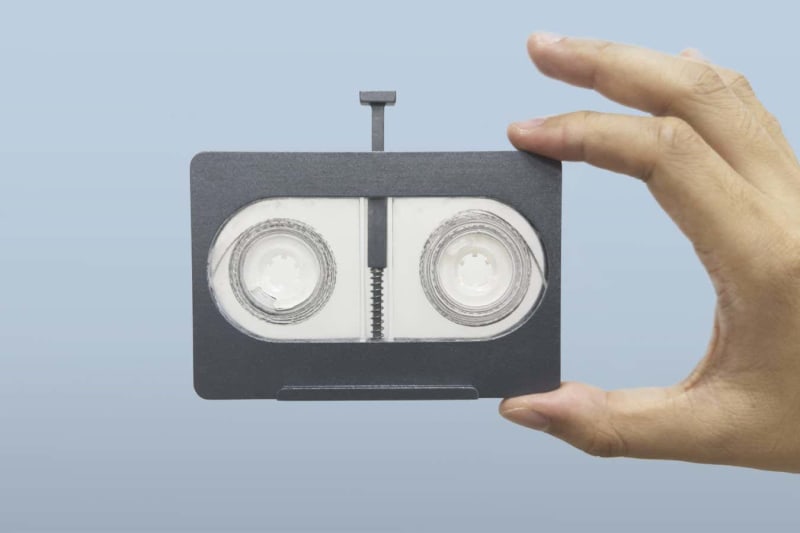
Imagine storing decades worth of photos, videos, and memories in a piece of glass smaller than your phone that could outlast civilizations.
Microsoft's Project Silica just made that possible. The team developed an automated system that uses ultra-fast lasers to etch data into glass, creating storage that can survive extreme temperatures, humidity, and time itself.
The technology builds on work from 2014, when researchers proved that glass could theoretically store data for billions of years. But that early method was too complex for real-world use. Microsoft's team cracked the code on making it practical.
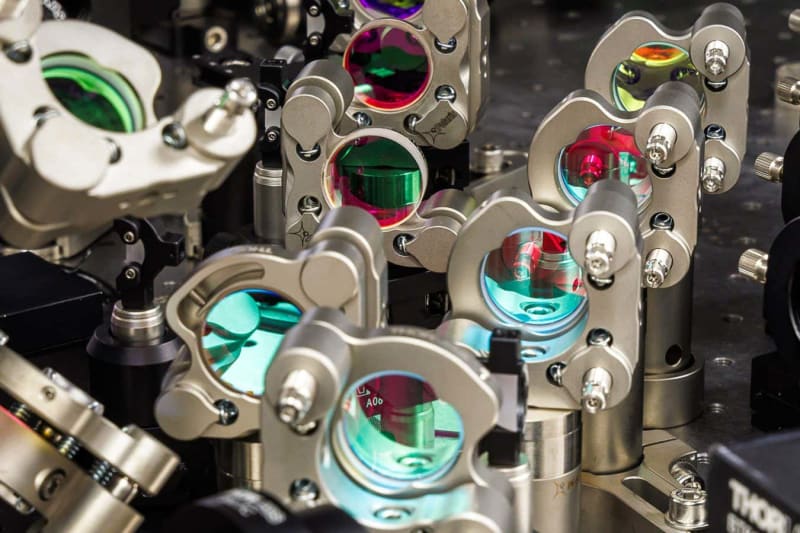
Here's how it works: Femtosecond lasers emit light pulses lasting quadrillionths of a second to create tiny structures inside thin glass layers. A microscope and camera read the data back, while a neural network converts those structures into usable information. The entire process can be automated with robots.
The results are impressive. The team stored 4.8 terabytes in a glass square about the size of a drink coaster and as thick as two pennies. That's roughly 37 iPhones worth of storage in one-third the volume.
Testing showed the data remains stable and readable for over 10,000 years at high temperatures, and even longer at room temperature. The glass can handle extreme conditions that would destroy traditional hard drives or tapes.
Richard Black, who leads Project Silica, highlights another advantage. "Glass requires very little energy to make and it's easy to recycle when we're done with it," he says. Unlike standard storage that needs replacing every few years, glass offers a genuinely sustainable option.
The Ripple Effect
This technology could change how humanity preserves its most precious information. National libraries could protect historical records indefinitely. Scientists could secure decades of research data. Cultural institutions could safeguard art and music for future generations.
Microsoft has already partnered with Warner Bros. and the Global Music Vault to explore storing entertainment archives meant to last centuries. The human genome has been preserved in glass by another company using similar technology.
Several companies are now racing to bring glass storage to mainstream data centers. Austrian startup Cerabyte offers similar solutions, while SPhotonix focuses on specialized applications. The physics has been proven for over a decade, but Microsoft's system shows it can actually work at industrial scale.
The clearest applications right now are anywhere data must outlive current technology: scientific repositories, cultural records, and legal archives. As climate concerns grow and data needs explode, glass storage offers a path forward that doesn't require constant energy and replacement.
From Hollywood featuring the technology in Mission: Impossible to real partnerships with entertainment giants, glass storage is moving from lab curiosity to practical solution for our data-driven world.
More Images

Based on reporting by New Scientist
This story was written by BrightWire based on verified news reports.
Spread the positivity!
Share this good news with someone who needs it