Microsoft's Quantum Chip Lasts 1,000x Longer Than Before
Microsoft's new quantum chip keeps its qubits stable for 20 seconds instead of milliseconds, marking a massive leap toward computers that could solve problems like removing microplastics from our oceans. The company says commercially useful quantum machines could arrive by 2029.
A breakthrough in quantum computing just brought us closer to solving some of humanity's biggest challenges, from cleaning up microplastics to revolutionizing food production.
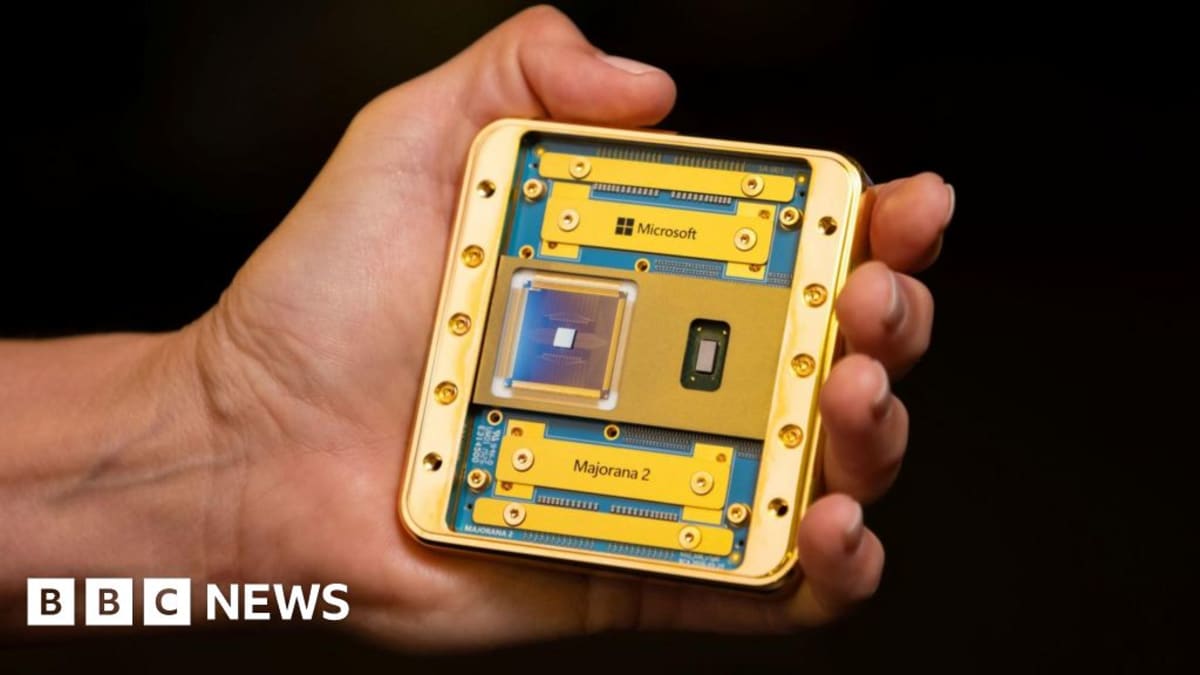
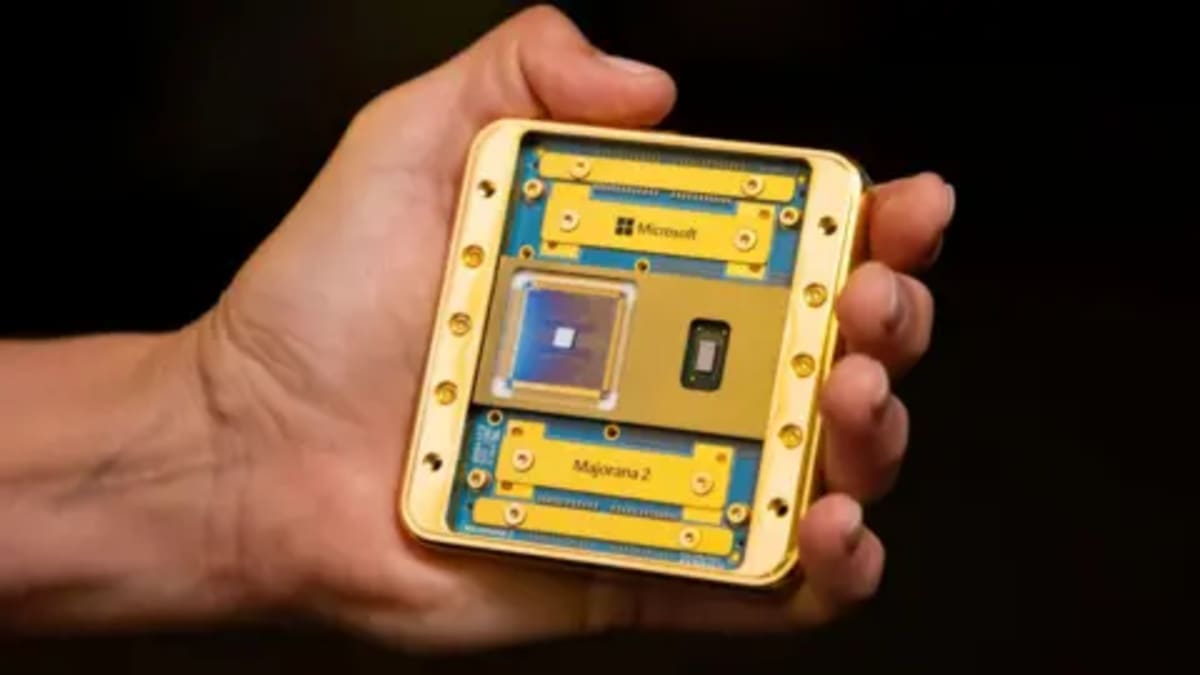
Microsoft announced its new Majorana 2 chip is 1,000 times more reliable than its predecessor. The qubits at the heart of the chip now stay stable for about 20 seconds, compared to mere milliseconds in the previous version.
To put that in perspective, Microsoft compares the improvement to the difference between a phone that needs charging daily and one that only needs charging every few years. That kind of leap matters because quantum computers promise to tackle problems that would take today's supercomputers decades to solve.
"We will have a quantum machine in 2029 that can solve commercially viable, reasonable problems," said Zulfi Alam, Microsoft's corporate vice president of quantum computing. The timeline might sound ambitious, especially since the current 12-qubit chip would need to scale to millions of qubits, but physicists outside the company say it's plausible if the research holds up.
Microsoft achieved this breakthrough by switching from aluminum to lead as a superconductor and building on 20 years of work with something called topological quantum computing. The approach uses properties of a theoretical particle first predicted in the 1930s by Italian physicist Ettore Majorana.
The journey hasn't been smooth. Microsoft had to retract a 2018 paper claiming evidence for the Majorana particle, and skeptics questioned whether the company had strayed too far from rigorous science. But Microsoft stood firm, and today's announcement shows they kept pushing forward.
Why This Inspires
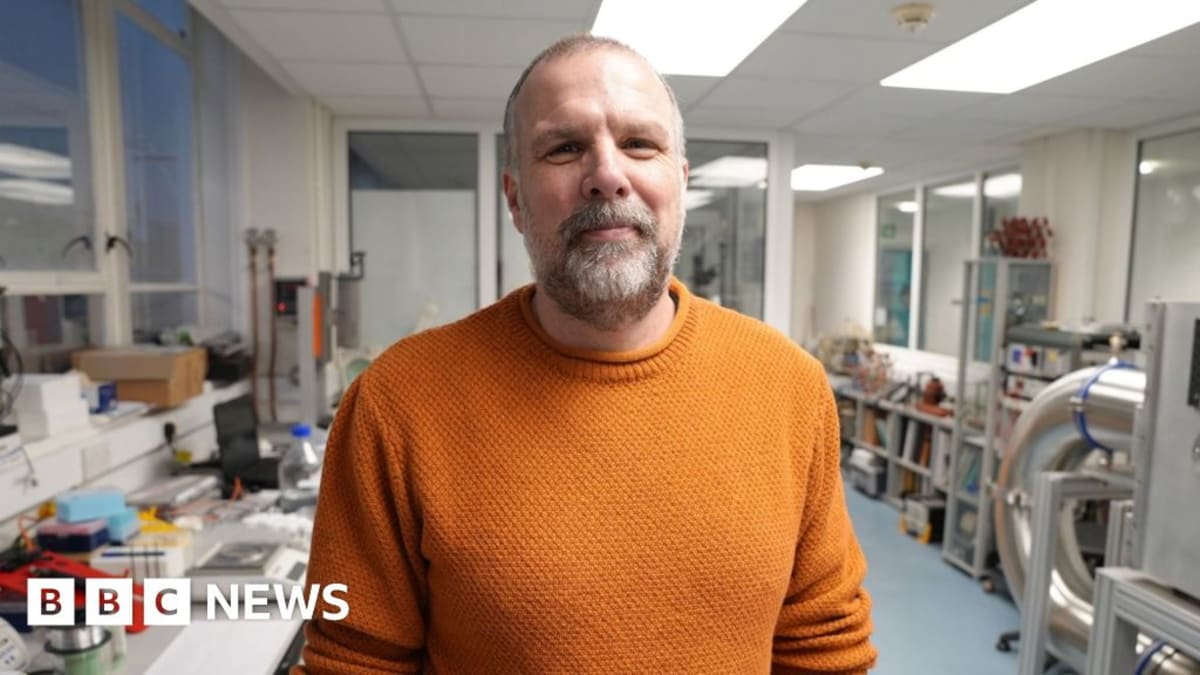
The real excitement isn't just about faster computers. Jason Zander, Microsoft's executive vice president of quantum and discovery, explained how these machines could compress decades of work into much shorter timeframes.
Problems like eliminating forever chemicals, removing microplastics from our environment, and developing better fertilizers for food production could see solutions far sooner than expected. These aren't abstract challenges but real threats to our planet and health that desperately need answers.
The technology is still in its infancy, and quantum computers remain notoriously finicky. Qubits are so delicate that tiny temperature changes or vibrations can throw them off and cause errors. That's why keeping them stable for 20 seconds represents such a significant milestone.
Microsoft is sharing its data with the US defense research agency DARPA for independent verification, though some scientists want even more information before fully backing the claims. The paper accompanying the announcement hasn't yet completed peer review by independent experts.
Zander sees quantum computers working alongside humans and AI to accelerate solutions. "It's not about eliminating humans, it's about giving humans tools that can help them accelerate that process," he said.
The quantum computing race involves companies worldwide, all chasing the same goal of building a scalable machine that works reliably. Nobody has succeeded yet, which makes every advance like this one a reason for genuine optimism.
Five years might seem like a long wait, but for technology that could help clean our oceans and feed our planet more sustainably, it's arriving right on time.
More Images

Based on reporting by BBC Technology
This story was written by BrightWire based on verified news reports.
Spread the positivity!
Share this good news with someone who needs it