Middle East Could Add 5 Million Jobs by 2050
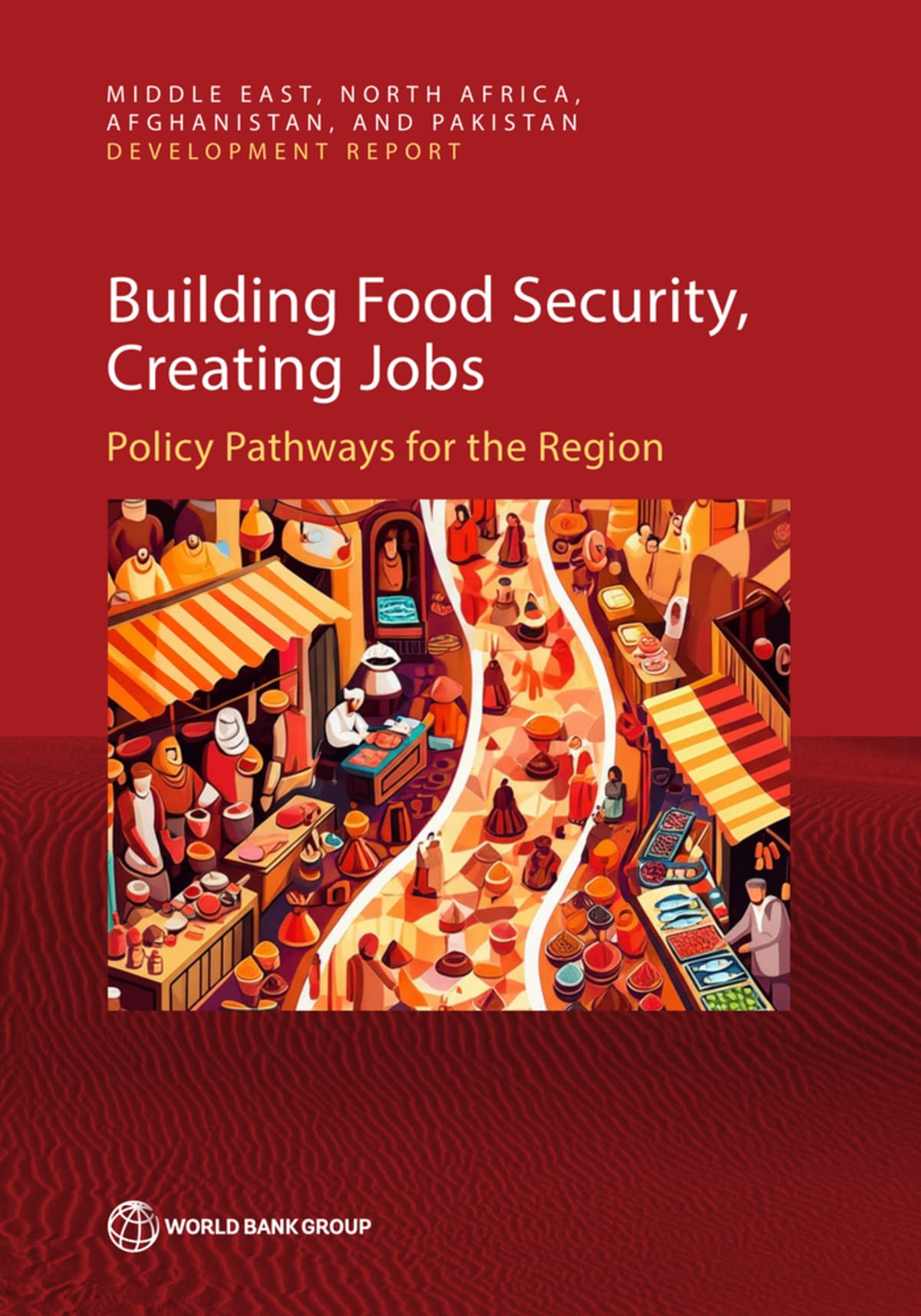
A new World Bank report reveals how smart agriculture investments could create 5 million jobs and double fruit and vegetable production across the Middle East, North Africa, Afghanistan and Pakistan by 2050. The plan tackles food security, nutrition, and youth employment in one transformative approach.
Millions of new jobs and stronger food security could be coming to the Middle East and surrounding regions, thanks to a bold new roadmap from the World Bank Group.
The report shows that with targeted investments and smart policy changes, the Middle East, North Africa, Afghanistan and Pakistan region could create 5 million new jobs by 2050 while dramatically boosting food production. That's welcome news for a region where nearly one in five people faces food insecurity and 42 percent can't afford nutritious meals.
The solution centers on investing $12 billion annually in water-efficient irrigation and agricultural innovation. This investment could more than double fruit and vegetable production and increase cereal yields by 72 percent, all while protecting precious groundwater resources.
Right now, 63 million people work in the region's agrifood sector. That's nearly three out of every ten workers. While traditional farming jobs are declining, processing, logistics and food service positions are growing at twice the global rate.
The transformation extends beyond farms. Better productivity means higher incomes for farmers, while new opportunities emerge throughout the entire food supply chain. Surveys for the report revealed something surprising: most people, especially young workers, see agrifood jobs as genuine opportunities to earn good money.
Food demand in the region is projected to jump 67 percent by 2050. Without action now, the challenges will only grow steeper. The report emphasizes moving beyond quick fixes toward sustained action that coordinates policies and programs across different sectors over time.
The Ripple Effect
This approach could feed millions more people while creating economic opportunity across an entire generation. Reducing food waste through better logistics and smarter consumer choices would free up both money and natural resources. Strategic trade policies could help countries develop export markets while balancing water needs and keeping food affordable.
The World Bank is already supporting countries through AgriConnect, a global initiative connecting 300 million smallholder farmers to innovative technologies, next-generation irrigation systems, and new market opportunities. Regional Director Mesky Bhrane calls the findings proof that concrete, near-term action can deliver real results for food security and job creation together.
The roadmap shows how feeding people and employing them don't have to be separate goals.
Based on reporting by Google News - Jobs Created
This story was written by BrightWire based on verified news reports.
Spread the positivity!
Share this good news with someone who needs it