Midnight Response Stops Nipah Outbreak in India
When two nurses arrived with failing brains and lungs, a doctor suspected the deadly Nipah virus and mobilized a response that prevented an outbreak. Swift testing, isolation, and contact tracing kept 196 people safe and saved two lives.
Dr. Sayantan Banerjee received a midnight call on January 10 about two young nurses in critical condition, and within hours, his swift action prevented what could have been a deadly viral outbreak in West Bengal, India.
The nurses were suffering from severe brain impairment and respiratory failure at a hospital in Barasat. Banerjee, an infectious disease specialist at AIIMS Kalyani, immediately suspected a dangerous viral infection and coordinated emergency testing through the night.
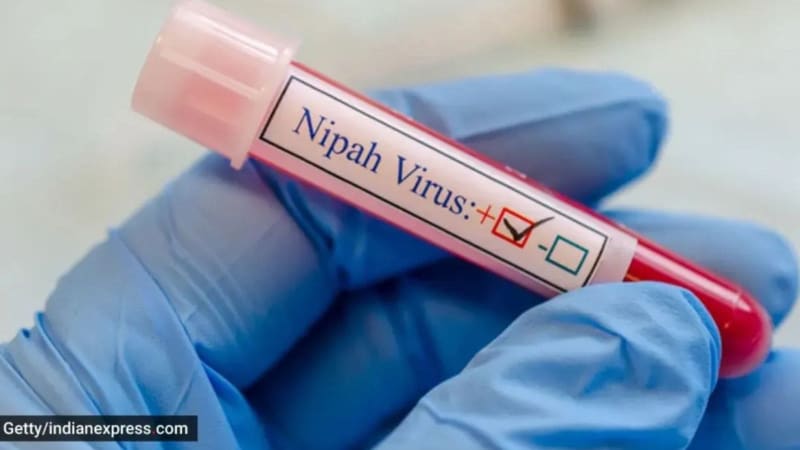
His team identified Nipah virus in just six hours. This zoonotic pathogen carries fatality rates between 40% and 90% in most outbreaks, making every minute count.
The response was immediate and comprehensive. Both patients were isolated and placed on ventilators with early antiviral therapy including ribavirin and remdesivir.
Meanwhile, health teams traced and monitored all 196 people who had contact with the patients. Every single one tested negative.
Today, one nurse has made a complete neurological recovery and can walk around. The other remains on a ventilator but is receiving critical care.
Investigation revealed the nurses likely contracted the virus while caring for a 55-year-old woman who had consumed raw date palm sap and died in December. The nurses weren't wearing protective equipment during emergency procedures.
Testing of local bat populations found evidence of the virus. Two out of 35 fruit bats tested positive, and 11 others showed signs of past exposure, confirming the natural reservoir.
Why This Inspires
Zero deaths from two confirmed Nipah cases represents a historic achievement for India. Previous outbreaks in Bangladesh have seen fatality rates above 70%.
The difference came down to speed and preparation. Within hours of suspicion, teams mobilized testing, isolation protocols, and treatment that typically take days to coordinate.
This response proves that deadly outbreaks can be contained when health systems act decisively. The midnight call could have been the beginning of a regional crisis, but trained professionals and rapid protocols turned it into a public health success story.
The 196 people who were monitored can return to normal life knowing the system worked to protect them. One nurse who was fighting for her life is now walking, a testament to early intervention.
Swift action and scientific readiness just saved countless lives in West Bengal.
Based on reporting by Indian Express
This story was written by BrightWire based on verified news reports.
Spread the positivity!
Share this good news with someone who needs it