Migrant Students Grow Hope in Australian School Garden
Sixteen-year-old Albert Lotemo is getting his hands dirty again for the first time since leaving Africa, and it's helping him and his classmates thrive in their new home. A school garden project in Wodonga, Victoria, is giving young refugees more than vegetables—it's helping them build community and mental wellbeing while learning English.
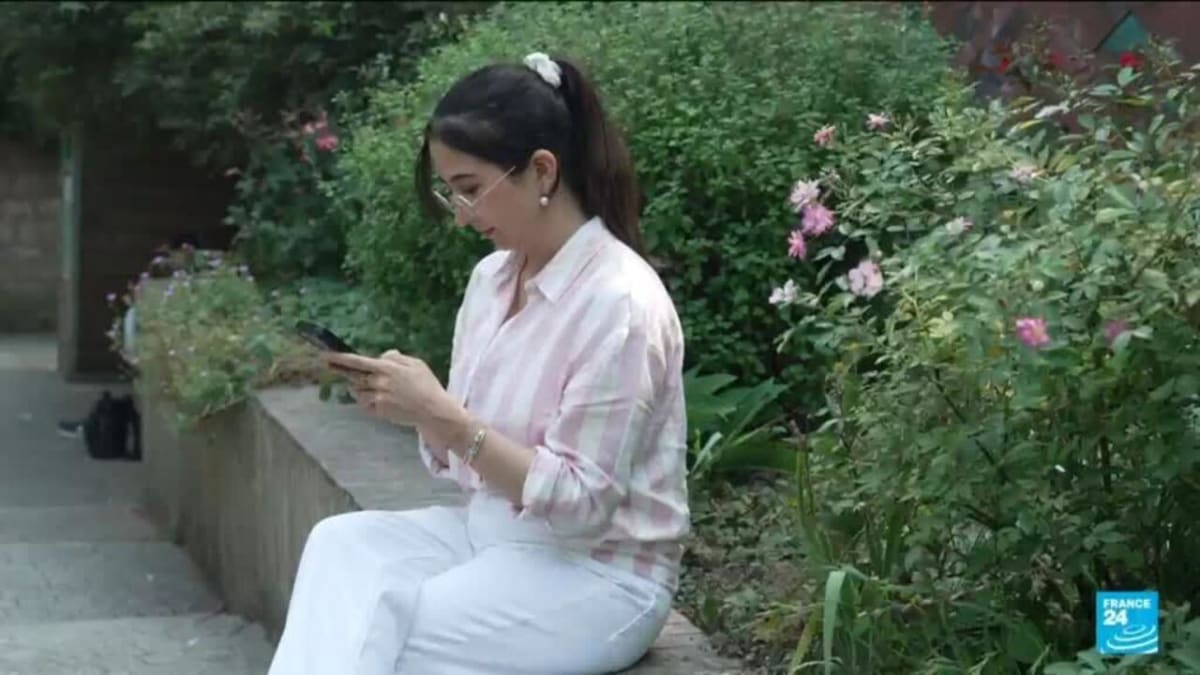
For the first time since leaving Africa, 16-year-old Albert Lotemo felt at home with his hands in Australian soil. The student at Blackburn English Language School in Wodonga, Victoria, beamed as he prepared to plant carrots, lettuce, and spring onions in his school's new garden.
Albert spent his childhood in Zambia growing maize, cassava, bananas, and pineapples as part of his agriculture studies. Now, six months into his Australian journey, he's reconnecting with what he loves while building skills for his future.
Blackburn English Language School serves as a bridge for young migrants and refugees with limited English before they transition to mainstream schools. The school partnered with youth mental health organization Headspace to create a garden that addresses challenges far beyond language learning.
Science teacher Regina Glass noticed something powerful: all 21 students, from Congolese, Vietnamese, Nepalese, and Indian backgrounds, instantly connected with gardening. Many of their families already participate in Wodonga's community gardens, bringing agricultural knowledge from home.
The garden offers what Glass calls "cognitive breathing space" for students exhausted by the constant demands of navigating life in a new language. "Anyone who has been overseas to somewhere where they don't speak the language will know how tired people are after a day," she explained.
Ruby Huang, Headspace's cultural connections coordinator, sees the garden as a safe space where connection doesn't rely solely on English skills. Students share traditions and knowledge while working side by side, building friendships through shared purpose rather than perfect grammar.
The project will soon blossom into a paddock-to-plate program. Students will grow ingredients, then bring their harvest home for parents to cook, sharing their new skills with their families.
The Ripple Effect
The timing matters deeply. Refugees face higher risks of poor mental health but often struggle to access help due to language barriers, limited understanding of healthcare systems, and stigma around mental illness. This garden creates a welcoming pathway to support that feels natural and culturally safe.
Students are bringing seedlings from home to plant alongside Australian vegetables, literally growing bridges between their heritage and their new country. The garden will become part of the school's science curriculum, making sustainability education personal and practical.
For Albert, the dirt between his fingers has rekindled dreams bigger than the garden beds. "When I have my own money, I can have my own farm and I can work in the garden," he said, his future taking root in Australian soil.
More Images


Based on reporting by ABC Australia
This story was written by BrightWire based on verified news reports.
Spread the positivity!
Share this good news with someone who needs it