Migrants Share What Being Australian Means to Them
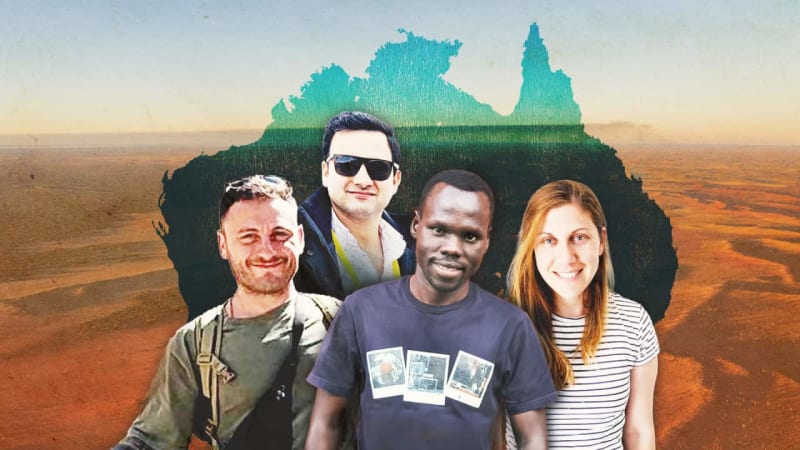
Five migrants from around the world open up about their journeys to Australia and what home means when you carry two cultures in your heart. Their stories show how gratitude and understanding can bridge divides during tense times.
For Karan Raina, becoming Australian meant trying Vegemite at a park barbecue in 2014, surrounded by fellow students soaking up the summer sun. A decade after arriving from India with just two suitcases, he now spends his January 26 reflecting on the peaceful life he's built rather than joining big celebrations.
Australia welcomes people from every corner of the globe, with nearly a third of its 8.6 million residents born overseas. This year alone, 20,600 people from over 150 countries will take their citizenship pledge, joining more than six million who've made the same promise since 1949.
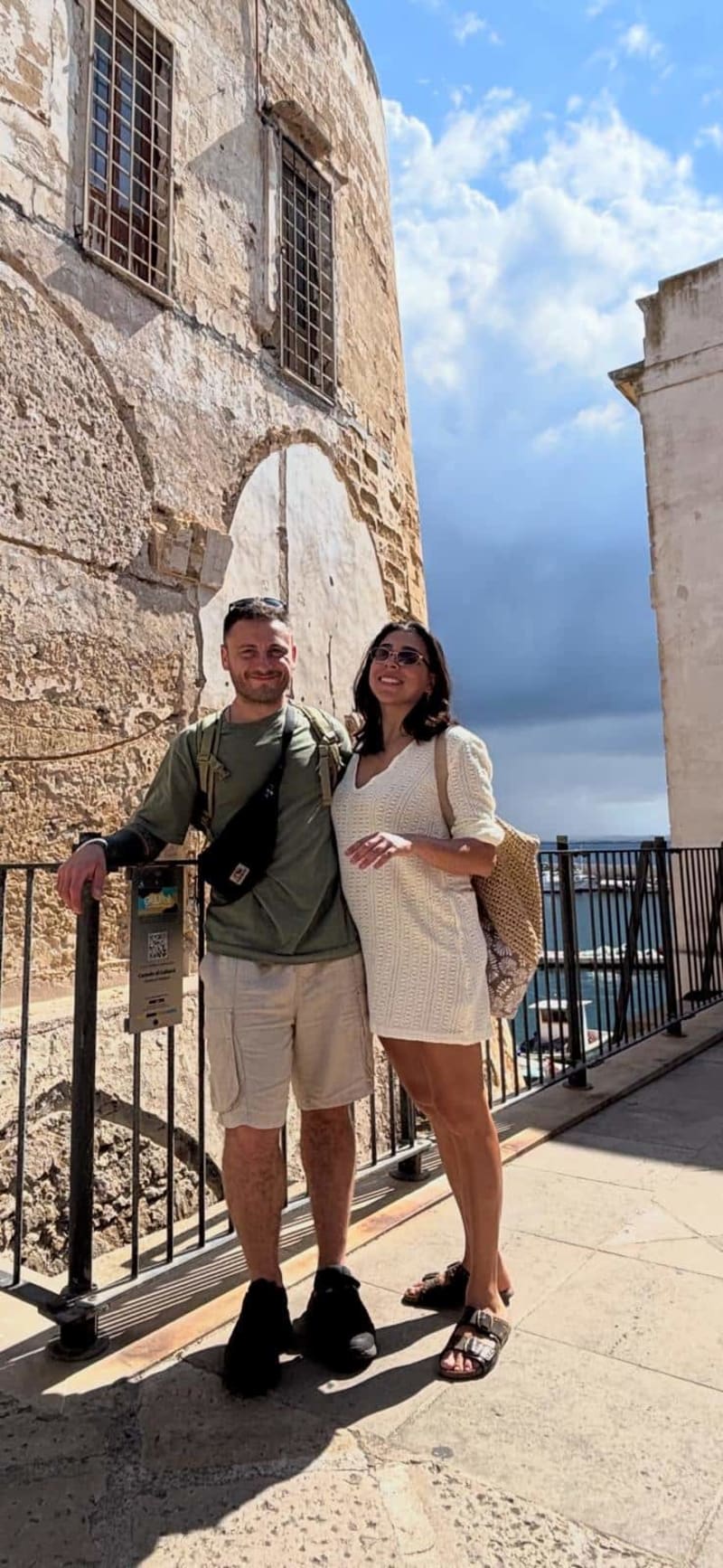
Italian chef Luca Quadri arrived in 2015 and became a citizen eight years later. He describes his identity simply: "I feel like I have two homes, one in Australia and one in Italy." When asked about recent anti-immigration rallies, he shrugs them off, pointing out that immigrants built the country in the first place.
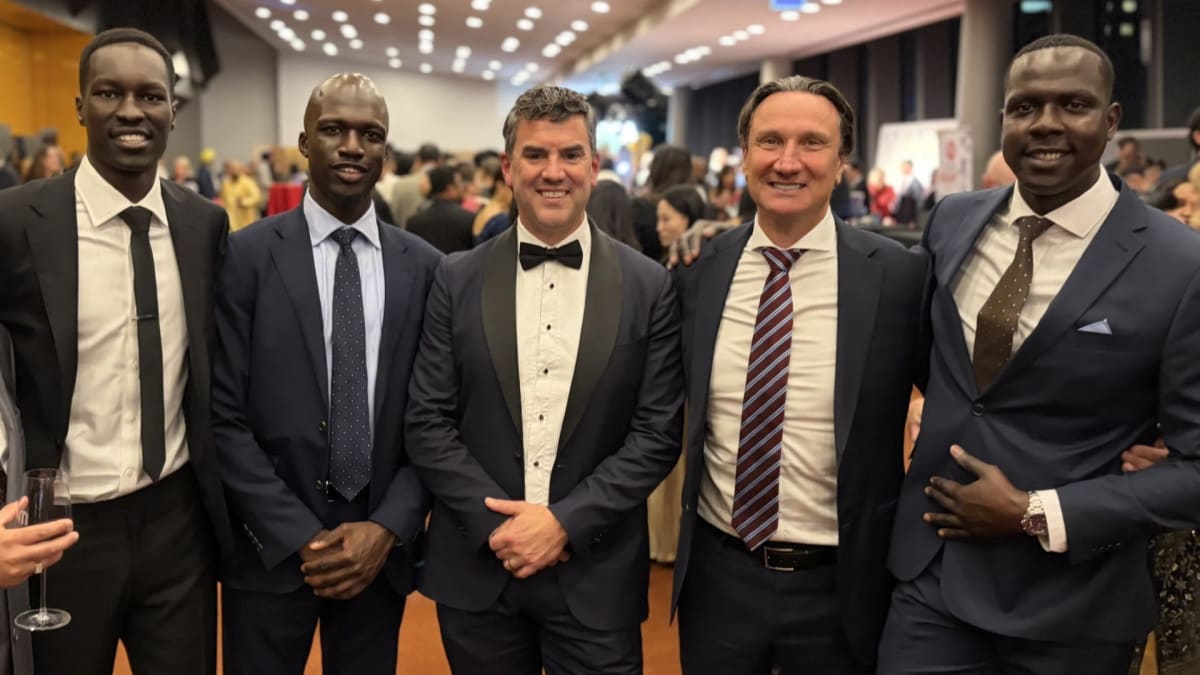
Andrew Gai's journey tells a different story of what it means to belong. The South Sudanese family violence prevention worker arrived in 2006 under the humanitarian program and initially celebrated Australia's national day with enthusiasm, organizing youth events for his community.
But after learning what January 26 represents for First Nations peoples, Gai made a different choice. He stopped organizing celebrations, explaining to young people in his community why the date carries pain for Australia's original inhabitants. Now he balances pride in his heritage with gratitude for his new home, while listening to Indigenous voices.
The Bright Side
Despite headlines about social tension, these migrants see something deeper in everyday Australian life. They focus on the contributions they make, the friendships they've formed, and the opportunities they've found. Raina says it best: being Australian isn't about one day or one celebration, but about what you contribute every single day.
Support for multiculturalism remains strong across Australia, even as national belonging hits decade lows. Gai believes Australians are more united than media coverage suggests, calling divisive rallies "un-Australian" because everyone except First Nations peoples arrived on different journeys with unique stories.
These five voices represent millions of Australians navigating dual identities, honoring both where they came from and where they've landed. Their stories prove that home isn't always one place, and gratitude doesn't require forgetting the past.
More Images



Based on reporting by SBS Australia
This story was written by BrightWire based on verified news reports.
Spread the positivity!
Share this good news with someone who needs it