Mikaela Shiffrin Wins Olympic Gold 8 Years After Beijing
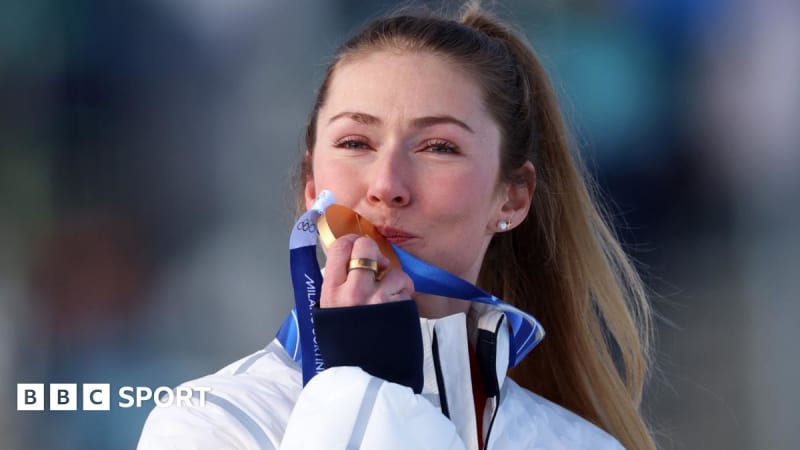
After eight years without an Olympic medal and the devastating loss of her father, American skier Mikaela Shiffrin claimed her third Olympic gold in the slalom, dedicating the win to her late dad. The 30-year-old dominated the race by an extraordinary 1.50 seconds, proving she could overcome both personal tragedy and past disappointments on skiing's biggest stage.
Mikaela Shiffrin crossed the finish line as Olympic slalom champion, and her first thoughts went to the person who wasn't there to see it: her father, Jeff, who passed away six years ago.
The American skiing legend won her third Olympic gold medal in Cortina, dominating the competition by an astonishing 1.50 seconds. It was her first Olympic medal in eight years, following a heartbreaking performance in Beijing where she crashed out of multiple events just seconds into her runs.
Shiffrin spent nearly a year away from skiing after losing her father, calling it an "invisible injury" while speaking openly about her mental health struggles. The grief followed her back to competition, causing memory issues that made it difficult to remember courses and creating visions of crashes that filled her with fear.
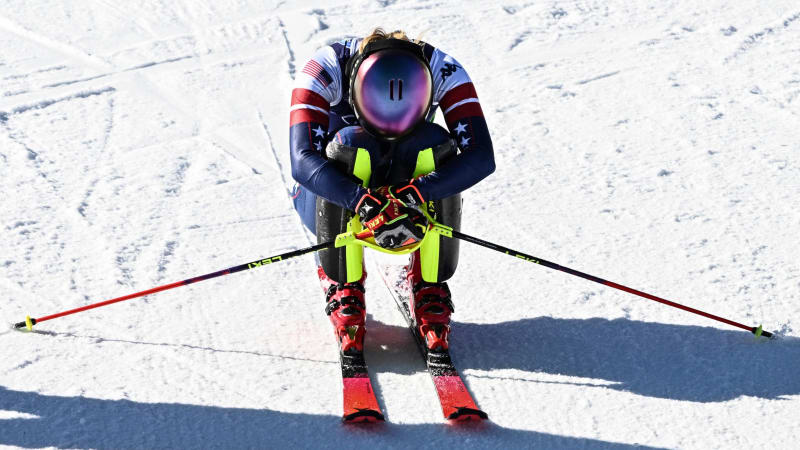
This season, she arrived as the heavy favorite after winning seven of eight World Cup slalom races. But the pressure was immense, especially after finishing 11th in the giant slalom and fourth in the team event earlier in these Games.
Before her second run, Shiffrin tried to nap but found herself crying while thinking about her dad. She realized something powerful: she actually had all the tools necessary to do her best and earn the moment.
The 30-year-old delivered with authority, clocking an overall time of 1:39:10. Her margin of victory was so large that her second run became an exhibition of excellence, cementing her status as the most decorated alpine skier of all time with 108 World Cup wins.
Why This Inspires
Shiffrin's journey through grief has been especially challenging because she doesn't feel the spiritual connection many bereaved people describe. She doesn't sense her father's presence carrying her through difficult days, which has sometimes left her feeling resentful of others who do.
But on this day, something shifted. She found peace in simply talking to her father, even without expecting an answer back.
Her openness about struggling with mental health, memory issues, and the weight of expectations while performing at the highest level shows that champions aren't people who never fall down. They're people who keep showing up even when it feels impossible.
After Beijing, many questioned whether Shiffrin could perform on the biggest stage. After a devastating crash in 2024 that left her physically injured and mentally shaken, doubts lingered. But she kept doing the work, day by day, to show up and do something she knew how to do.
Now she stands as a three-time Olympic champion, having won gold at 18 in Sochi, at 22 in Pyeongchang, and at 30 in Cortina, each victory representing a different chapter of resilience in an extraordinary career.
Sometimes the greatest victories aren't just about crossing the finish line first but about finding the courage to start the race at all.
More Images
Based on reporting by BBC Sport
This story was written by BrightWire based on verified news reports.
Spread the positivity!
Share this good news with someone who needs it