Milan Gives Pigeons and Foxes a Voice in City Planning
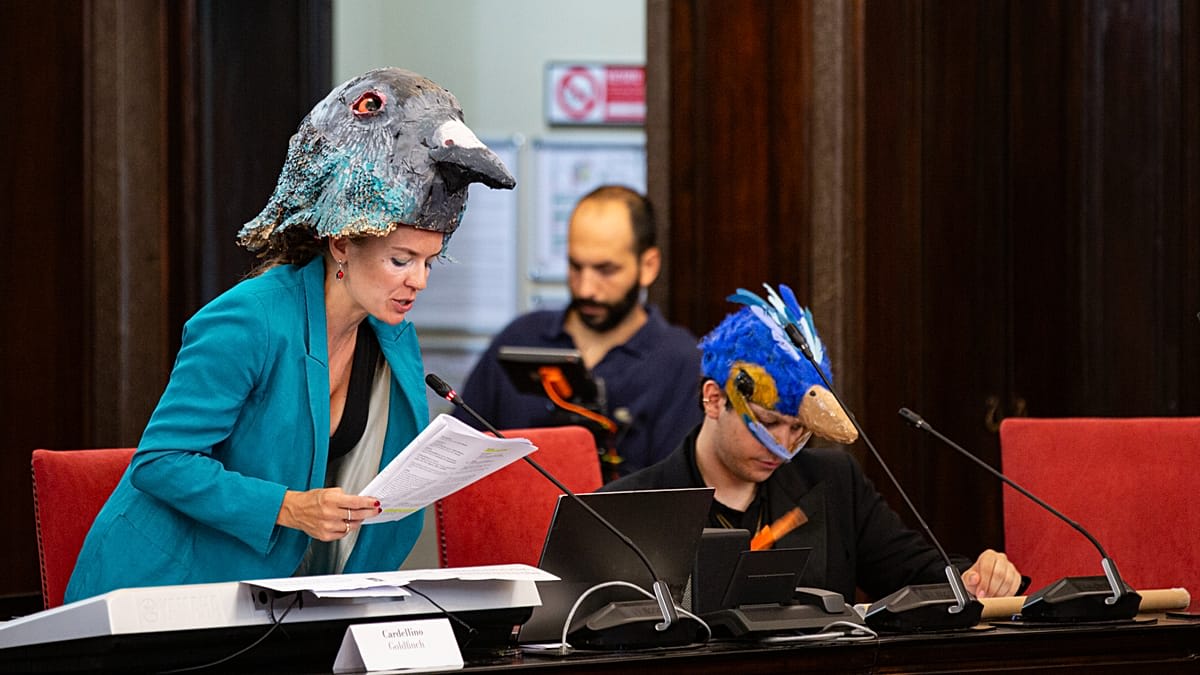
Milan just held its first "Parliament of Living Species" where 50 animals—represented by masked humans—debated real urban planning decisions affecting their habitats. The creative collaboration between architects, theater artists, and city officials aims to make urban development more wildlife-friendly.
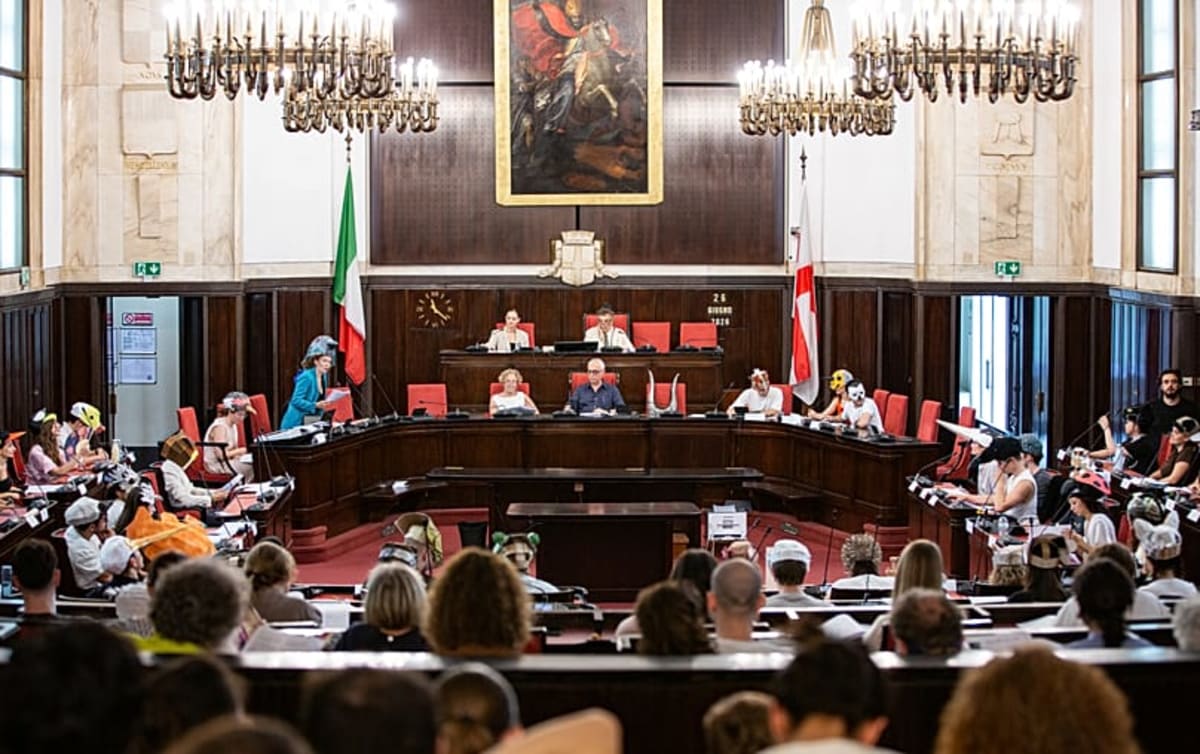
Imagine pigeons debating the demolition of a stadium, or foxes arguing for green corridors instead of parking lots. That's exactly what happened inside Milan's City Hall this week.
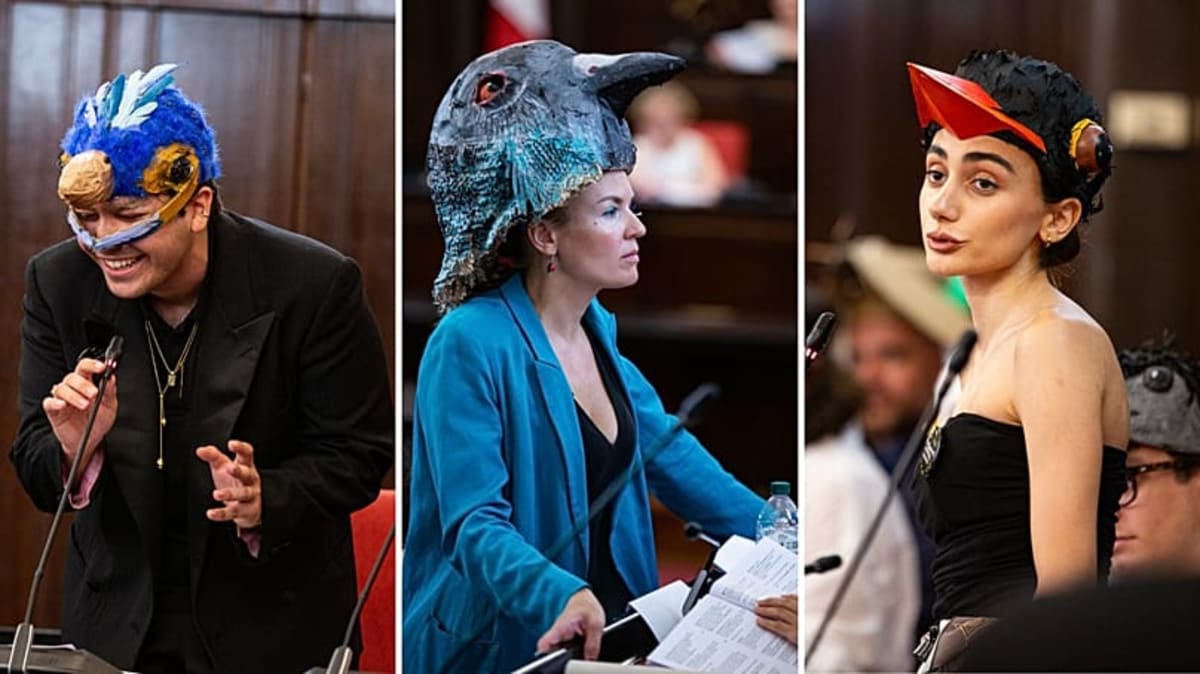
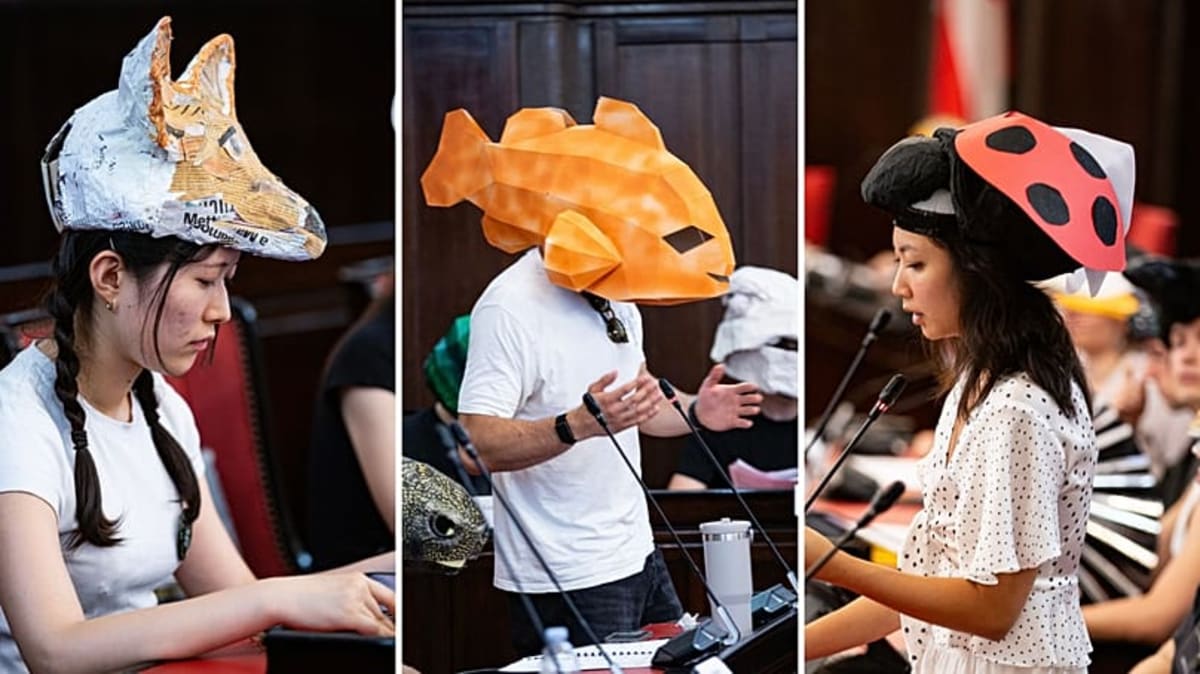
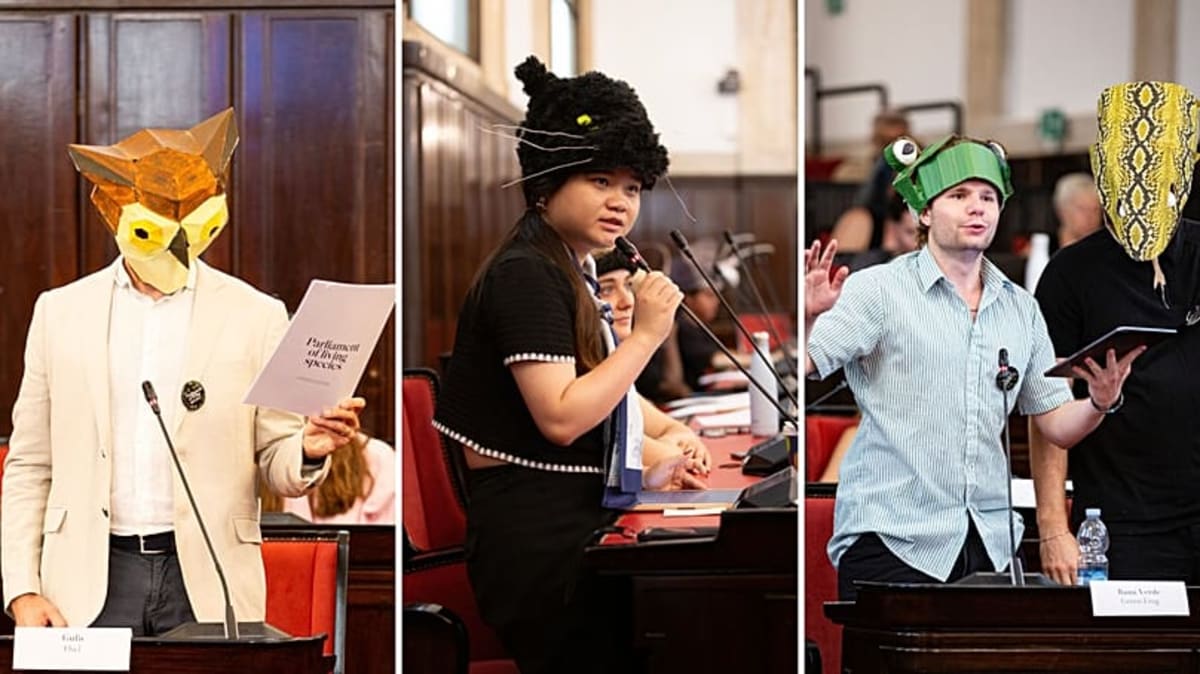
Milan held its first ever Parliament of Living Species, where 50 different animals got a seat at the table for major city planning decisions. Human representatives wearing handmade papier-mâché masks spoke for creatures often ignored when bulldozers arrive: swifts, frogs, goldfish, beetles, and even large rodents called coypus.
The debates tackled real issues facing Italy's second largest city. Swift representatives protested plans to demolish San Siro Stadium, where thousands of their species nest. Fox advocates pushed for wildlife corridors over new parking lots. A heated discussion broke out over reopening canals that were paved over in the 1920s—coypus celebrated the potential new habitat while small mammals worried about urban barriers dividing their territory.
While the tone was playful and comedic, the purpose was serious. The event brought together the Urban Planning Laboratory of Milan's Polytechnic University, the Piccolo Teatro di Milano theater company, and city officials to reimagine how humans and wildlife share urban space.
The initiative builds on the "Animals in the City" project that debuted at Paris's Fondation Cartier earlier this year. Architect Stefano Boeri and designer Andrea Branzi created that exhibition, featuring digital collages of unexpected animals overlaid on famous Paris landmarks. The Milan parliament takes the concept further by turning creative vision into actual policy conversation.
The Ripple Effect
Milan's Environment and Green Spaces Councillor Elena Grandi sees the parliament as a shift in how cities think about their residents. "The city, as an inclusive place, must increasingly be a space capable of welcoming and protecting the animal world," she said. "Our space is also their space."
Event organizers hope participants leave with heightened awareness of the "invisible creatures" that call Milan home. That sensitivity could influence major decisions, like converting the abandoned Marchiondi Spagliardi complex—a brutalist building from the 1950s—into a biodiversity protection hub.
Coordinator Matteo Moscatelli argues that restoring abandoned buildings and degraded ecosystems "can help reduce conflicts between humans and non-domesticated species and enrich the city's ecological heritage." The approach treats urban planning as a shared ecosystem challenge rather than a purely human one.
Boeri hopes the parliament helps people "recognize the multitude of non-human life present in urban space" and contribute to "a more informed approach to the major decisions that affect the future of our cities."
When cities grow, wildlife shouldn't have to shrink—and Milan is proving that animals deserve a voice in that conversation.
More Images
Based on reporting by Euronews
This story was written by BrightWire based on verified news reports.
Spread the positivity!
Share this good news with someone who needs it