Milan Olympics Leave Student Housing, Not Empty Stadiums
The 2026 Winter Olympics just proved the Games don't have to leave ghost towns behind. Milan is converting its Olympic Village into thousands of student housing beds while upgraded mountain facilities serve communities year-round.
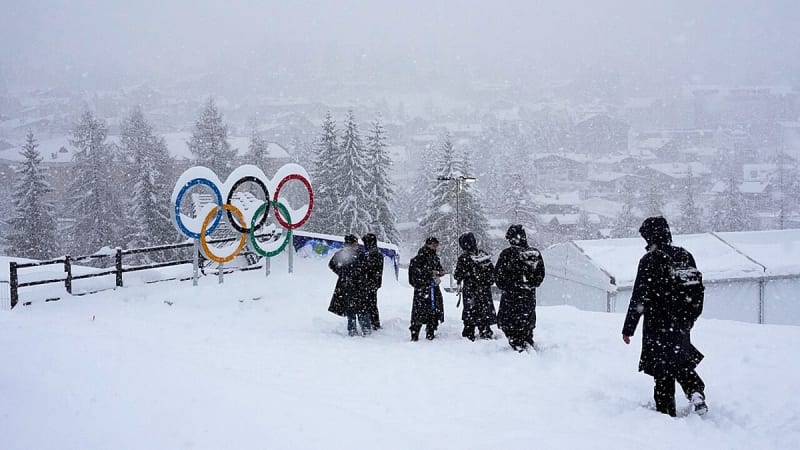
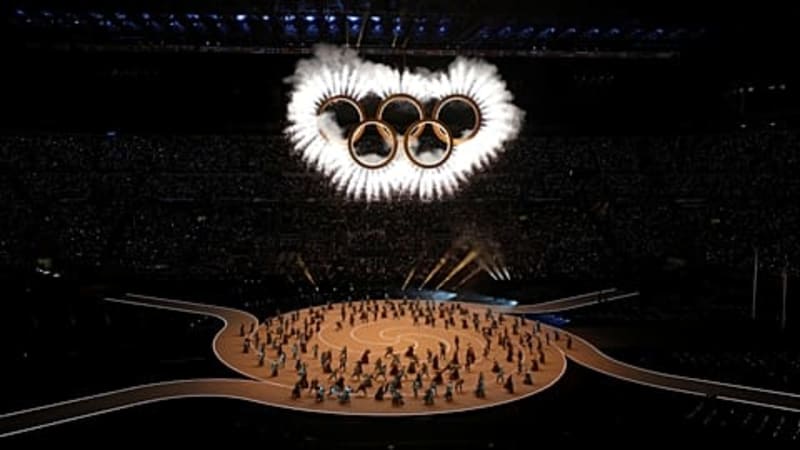
The 2026 Milan-Cortina Winter Olympics just closed with something rare: a legacy that won't gather dust.
Instead of building temporary venues destined to become expensive ruins, organizers upgraded existing facilities and designed every new structure for life after the medals. The result is infrastructure that actually serves people, not just two weeks of competition.
The most geographically spread-out Winter Games in history split events between Milan and three mountain resort towns. That unusual setup allowed planners to invest where communities needed it most while avoiding the Olympic curse of abandoned stadiums.
In Milan's Porta Romana neighborhood, the Olympic Village housed athletes in buildings specifically designed to transform. Once the Games ended, those same structures will become student housing with thousands of beds for universities like Bocconi, University of Milan, and Politecnico di Milano. The development includes public green spaces and mixed-use buildings that connect into the existing neighborhood instead of sitting isolated behind fences.
The 16,000-capacity Arena Santa Giulia showcases the new thinking even more clearly. During the Games, it hosted ice hockey. After? It becomes a year-round venue for concerts, sports events, conventions and shows. Located near a major transport hub and metro line, the arena anchors a broader plan to redevelop the Santa Giulia district into thriving residential and commercial space.
Up in the mountains, Cortina d'Ampezzo got something even more practical. Mayor Gianluca Lorenzi says the real win is everyday infrastructure: better roads, upgraded facilities, and a new ski lift that residents and tourists use long after cameras left. The Games accelerated improvements to transport links and public spaces that mountain towns desperately needed.
Cortina also built a new sliding center for bobsleigh, skeleton and luge that replaces an aging track. It's designed to host World Cup races and championships for years to come, strengthening the region's position as a winter sports destination.
The strategy marks a sharp break from past Olympics. Instead of construction booms that leave cities with debt and white elephants, Milan-Cortina focused on upgrading what already existed. Milan's Mediolanum Forum, which regularly hosts basketball and concerts, handled Olympic events with just temporary adaptations.
The Ripple Effect
This approach could reshape how cities think about hosting major events. When Olympic infrastructure serves actual community needs before and after the Games, the economics change completely. Student housing addresses Milan's shortage while giving the city residential development it would have needed anyway. Mountain upgrades serve year-round tourism and local recreation, not just two weeks of competition.
Professor Dino Ruta from Bocconi University says the success of these conversions will be critical to how Italians remember these Games. Early signs suggest they're threading that needle, proving major sporting events can leave communities stronger instead of broke.
The Milan model shows the Olympics can inspire without the hangover.
More Images
Based on reporting by Euronews
This story was written by BrightWire based on verified news reports.
Spread the positivity!
Share this good news with someone who needs it