Military Drone Research Could Make Self-Driving Cars Safer
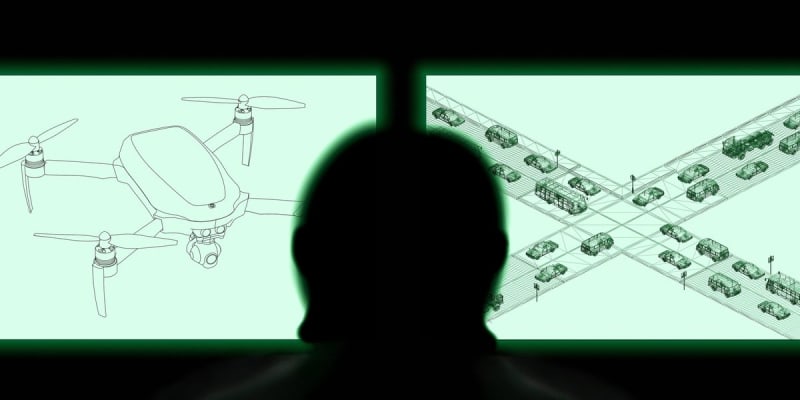
Decades of military drone operations have taught engineers exactly how to make self-driving cars safer and more reliable. A former Navy fighter pilot is sharing five critical lessons that could prevent accidents and save lives on our roads.
After 35 years of flying military drones from thousands of miles away, the U.S. military knows exactly what works and what doesn't when humans supervise robots from a distance. Now those hard-earned lessons could transform self-driving car safety.
Mary "Missy" Cummings spent years in tiny trailers with military drone operators, watching them control aircraft flying halfway around the world. As a former Navy fighter pilot turned researcher at George Mason University, she discovered something important: the same problems that crashed military drones in the 1980s are happening today with self-driving cars.
The good news? We already know how to fix them.
Self-driving cars currently rely on human "babysitters" who watch remotely and step in during tricky situations like construction zones or misbehaving pedestrians. But some companies now use operators in the Philippines to supervise cars driving in American cities. That distance creates dangerous delays.
The military learned this lesson the expensive way. When Air Force pilots in Las Vegas tried controlling drone takeoffs and landings in the Middle East, the two-second delay caused 16 times more accidents than fighter jets. The solution was simple: keep critical operations local or make them fully automatic.
Communication lag isn't the only danger Cummings identified. Poor workstation design caused up to 100% of certain military drone crashes attributed to human error. Confusing controls and unclear displays led to disasters that better interface design could have prevented.
The military also discovered that one person cannot safely supervise multiple drones during critical moments. Early attempts at multi-vehicle control led to accidents when operators became overwhelmed. Self-driving car companies should take note.
The Bright Side
These military lessons offer a roadmap for making self-driving cars dramatically safer. Better workstation designs, realistic operator workloads, and reduced communication delays could prevent the freezing events and crashes that currently plague autonomous vehicles.
The military spent decades and countless dollars learning these lessons through trial and error. Self-driving car companies can skip straight to the solutions, making roads safer for everyone without repeating those costly mistakes.
Cummings believes the path forward is clear: apply what we already know from military operations to civilian technology. When first responders need clear roads and families need reliable transportation, decades of drone research might just save the day.
Based on reporting by IEEE Spectrum
This story was written by BrightWire based on verified news reports.
Spread the positivity!
Share this good news with someone who needs it