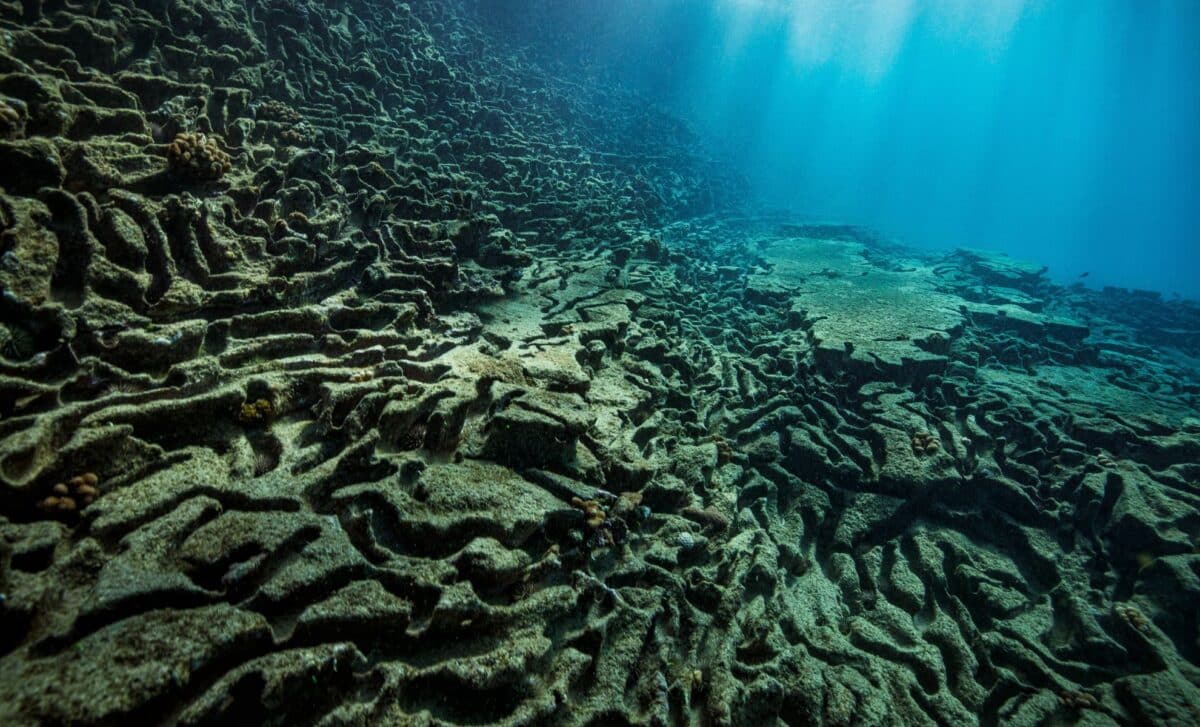
Million Skate Eggs Found on Active Underwater Volcano
Scientists exploring what they thought was a dead volcano off Canada's coast discovered up to one million giant skate eggs thriving in warm, mineral-rich waters. The underwater nursery is giving researchers new hope for deep-sea conservation.
A supposedly extinct underwater volcano off Canada's Pacific coast just revealed one of the ocean's best-kept secrets: a massive nursery housing up to one million giant skate eggs.
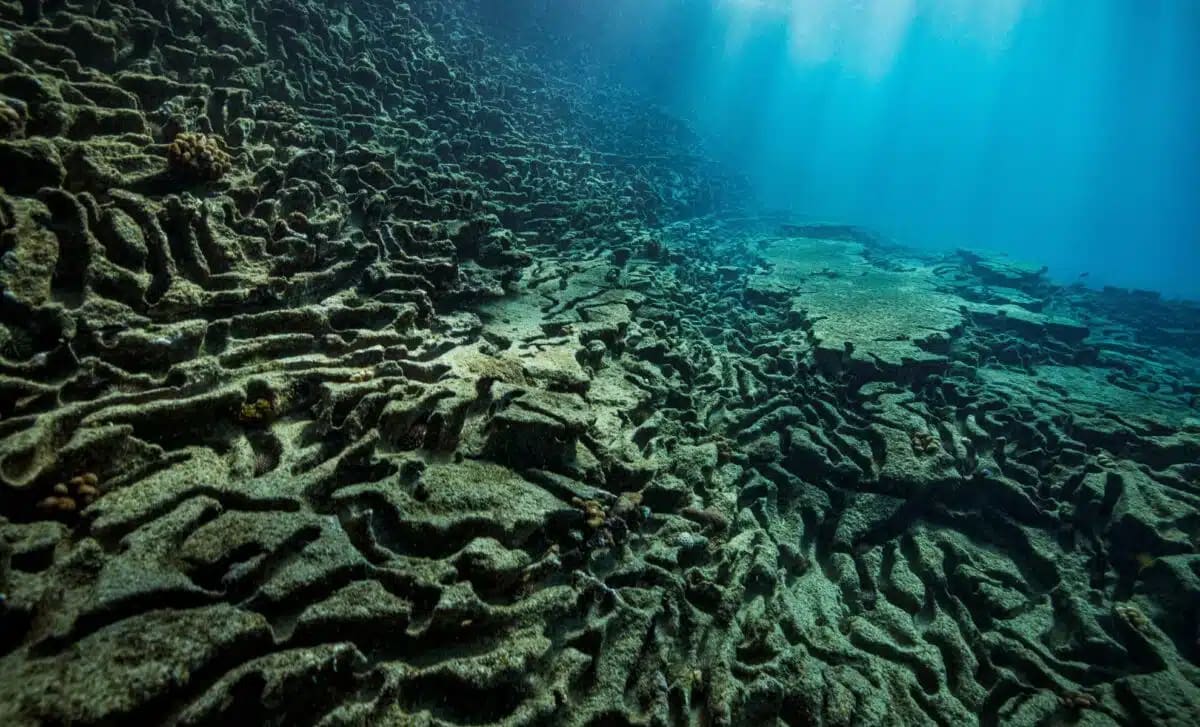
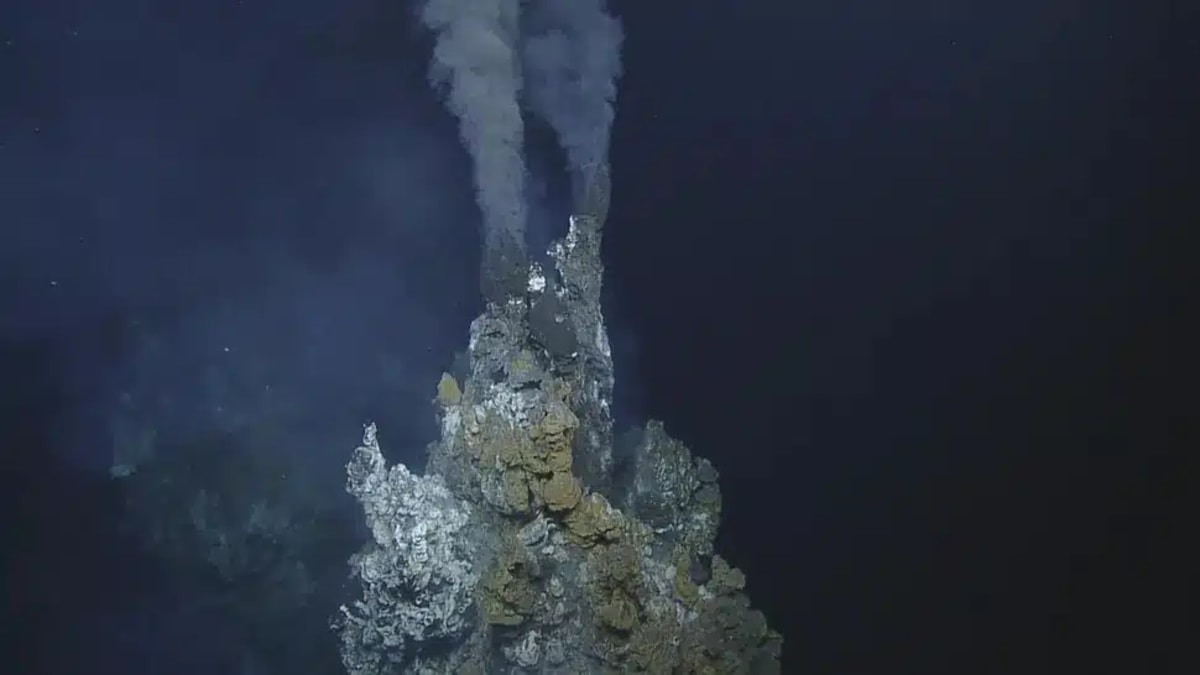
Researchers expected to find cold, lifeless rock when they explored the seamount rising 3,600 feet above the seafloor. Instead, they discovered warm fluids venting from the summit, creating an oasis of life in otherwise dark, barren waters.
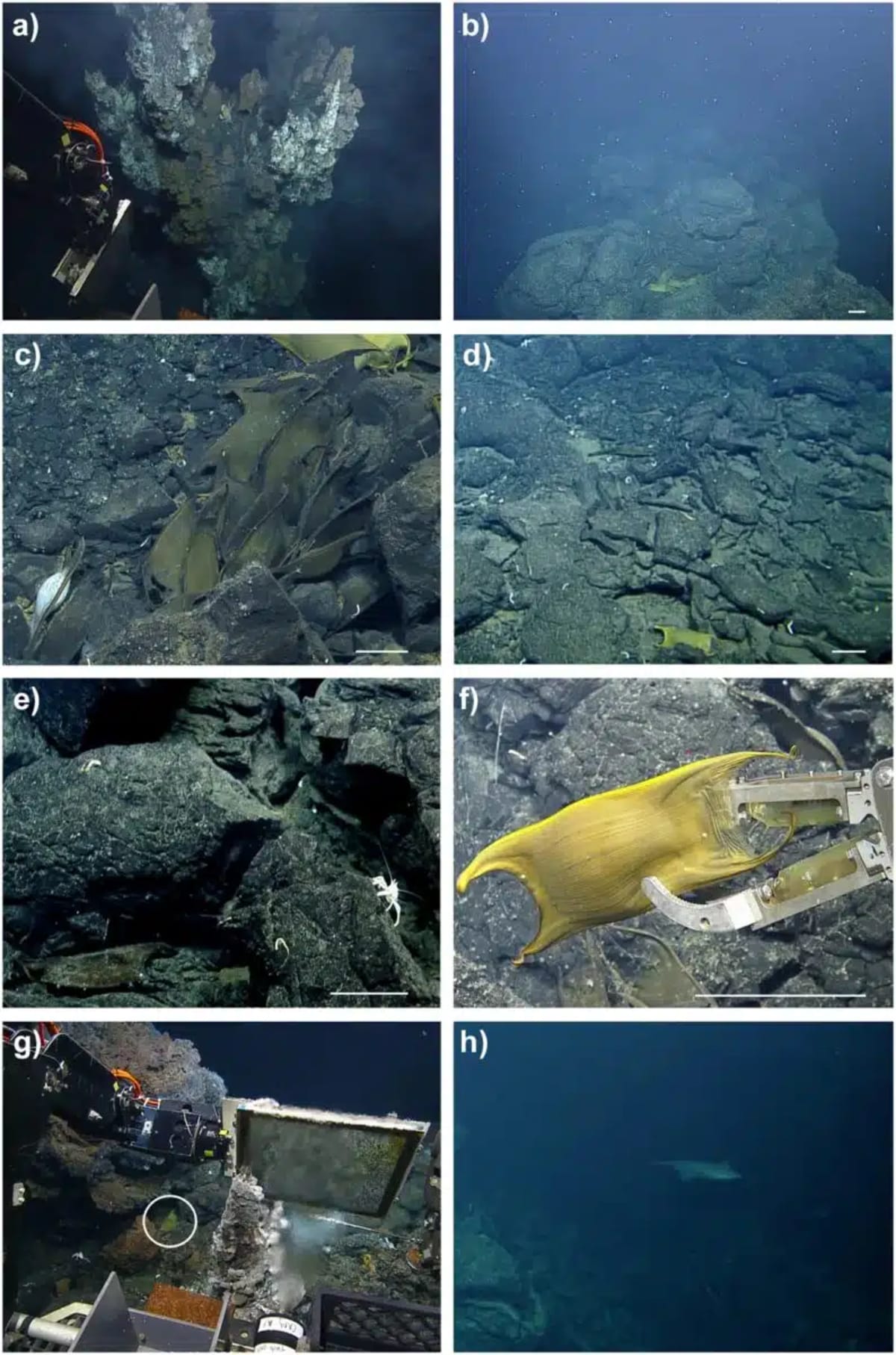
The real surprise came when cameras captured something never seen before: a Pacific white skate laying eggs in the wild. Each egg measures about 1.5 feet long and looks like what divers call a "mermaid purse" because of its distinctive pouch shape.
Scientists estimate between 100,000 and one million of these eggs blanket the volcano's summit. That dwarfs the only other known Pacific white skate nursery near the Galápagos Islands, which hosts just a few dozen eggs.
Cherisse Du Preez from Fisheries and Oceans Canada calls it "a really special place on top of a really special place." The 2018 discovery, published in Scientific Reports, shows how hydrothermal vents can transform underwater mountains into thriving ecosystems.
The warm water does more than attract marine life. It speeds up the development of skate embryos, which normally take up to four years to hatch in frigid deep-sea conditions.
The volcano's shallow summit doubles as a coral garden where young skates can safely grow before venturing into deeper waters. Du Preez explains it's "a safe nursery for juveniles to grow before they descend to the deep—it's a win-win."
The Ripple Effect
This discovery is changing how scientists think about deep-sea reproduction and survival. Finding such a large concentration of eggs in one place suggests there may be more hidden nurseries in unexplored ocean areas.
The research team hopes their findings will lead to better protection for deep-sea breeding grounds. Right now, the site has no official safeguards against fishing or other disturbances.
Scientists are calling for more exploration to identify and protect similar nurseries before expanding fisheries reach them. These underwater volcanoes might be critical lifelines for species that take years to reproduce.
The team continues monitoring the site, gathering insights about how life adapts to extreme environments and where the next generation of deep-sea creatures begins its journey.
More Images
Based on reporting by Google News - Scientists Discover
This story was written by BrightWire based on verified news reports.
Spread the positivity!
Share this good news with someone who needs it
_1.jpg)

%2Fhttps%3A%2F%2Ftf-cmsv2-smithsonianmag-media.s3.amazonaws.com%2Ffiler_public%2F5e%2F3f%2F5e3f4d30-35db-47c9-a978-48bc30db8600%2Fffgkf3.jpg)