Mini-Hearts Grow Better in Space Than on Earth
Scientists discovered that mini-hearts grown from human stem cells develop faster and in greater quantities aboard the International Space Station than in Earth-based labs. This space-grown breakthrough could one day help millions of heart disease patients waiting for life-saving treatments.
While astronauts' hearts shrink and weaken in space, researchers just discovered that growing new hearts in orbit works surprisingly better than doing it on Earth.
Scientists at Cedars-Sinai hospital in Los Angeles sent human stem cell experiments to the International Space Station and watched something remarkable happen. The cells grew into beating mini-hearts, called organoids, much faster and in significantly higher numbers than identical experiments in Earth-based labs.
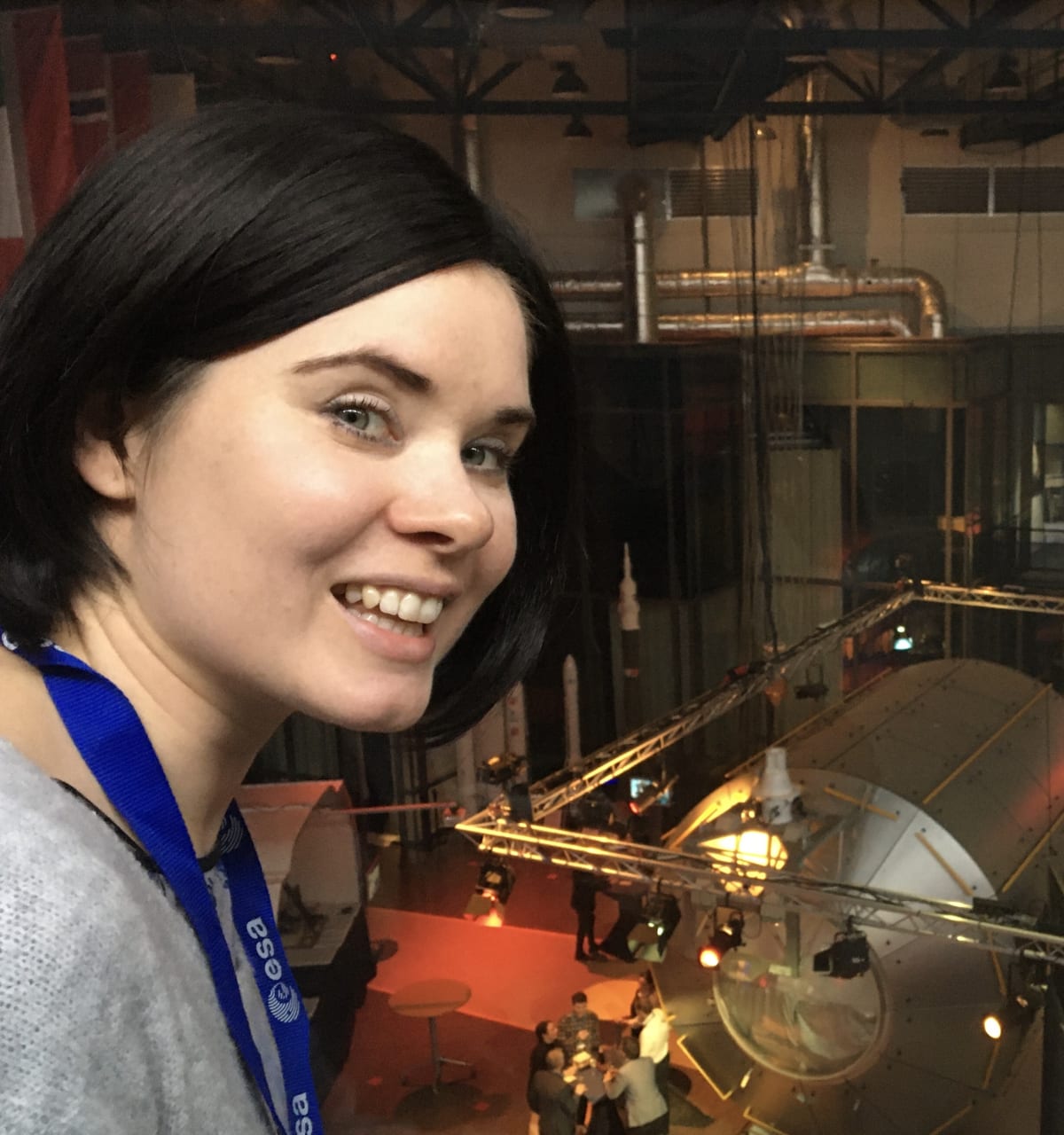
Director Arun Sharma, who has been sending heart experiments to space since 2016, presented the findings at an international medical conference in Toronto this April. He explained that while fully formed hearts deteriorate in microgravity, the process of building hearts from scratch actually benefits from weightlessness.
The secret lies in how cells float. On Earth, researchers use spinning bioreactors that force cells to suspend in liquid, mimicking the floating effect of zero gravity. But the constant agitation stresses the cells, and they don't grow as well.
In space, floating happens naturally without any stirring or spinning. The cells love it, and they respond by producing organoids at an impressive scale.
These tiny proto-hearts could transform treatment for heart disease, which kills millions of people worldwide every year. Unlike other organs, the human heart cannot repair its own damaged muscle tissue. Patients with severe heart damage currently face limited options while waiting for transplants.
Why This Inspires
Space-grown heart tissue could offer hope to patients long before these mini-organs are ready for transplant. Researchers are already testing heart muscle patches made from engineered stem cells to help repair damaged hearts, and Sharma believes space-grown versions will be thicker, stronger, and less likely to collapse under Earth's gravity.
The organoids will likely first be used to test new heart disease medications, helping scientists develop better treatments faster. While regulations mean human trials are still years away, the technology is advancing quickly.
Sharma's team plans to launch more heart cell experiments to the space station this August aboard a SpaceX resupply mission. Each journey to orbit brings researchers closer to understanding how microgravity can help heal one of humanity's most vital organs.
What started as a curiosity about how space affects the body has turned into a potential lifeline for heart patients back on Earth.
More Images

Based on reporting by Space.com
This story was written by BrightWire based on verified news reports.
Spread the positivity!
Share this good news with someone who needs it