Mining Company Rescues 3,000 Endangered Cacti in Texas
A Texas mining company is voluntarily saving thousands of endangered black-lace cacti before breaking ground, turning them into 20,000 plants. It's a rare example of industry choosing conservation when the law doesn't require it.
A mining company in Texas is doing something it doesn't have to do: saving an entire population of endangered cacti before touching a single shovel to soil.
San Miguel Electric Cooperative discovered roughly 3,000 black-lace cacti on a mining site near Christine, Texas, about an hour south of San Antonio. Instead of mining right through them, which would be completely legal, the company partnered with the San Antonio Botanical Garden and local volunteers to rescue every single plant.
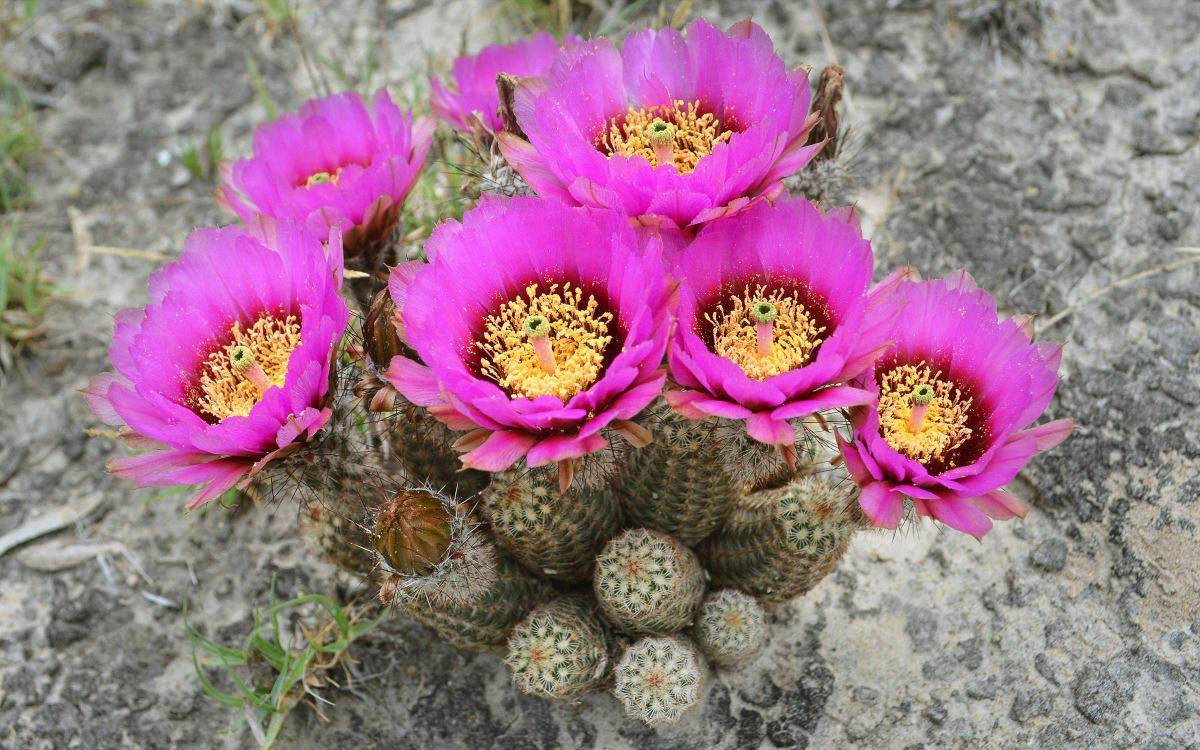
The black-lace cactus is easy to miss. These tiny succulents blend into the dirt when they're not blooming with bright fuchsia flowers, but they're federally endangered and worth protecting.
"San Miguel doesn't have to do this," says environmental consultant Jeremiah McKinney, who discovered the cacti during a routine baseline study in 2014. "They could mine right through the plants and not be violating laws."
The real surprise? Finding these cacti here at all. Black-lace cacti typically grow closer to the coast where soil is saltier, making this inland population unusually valuable for the species' survival.
That's when McKinney saw an opportunity. What if they could turn 3,000 rescued plants into 10,000 or even 20,000 through propagation?
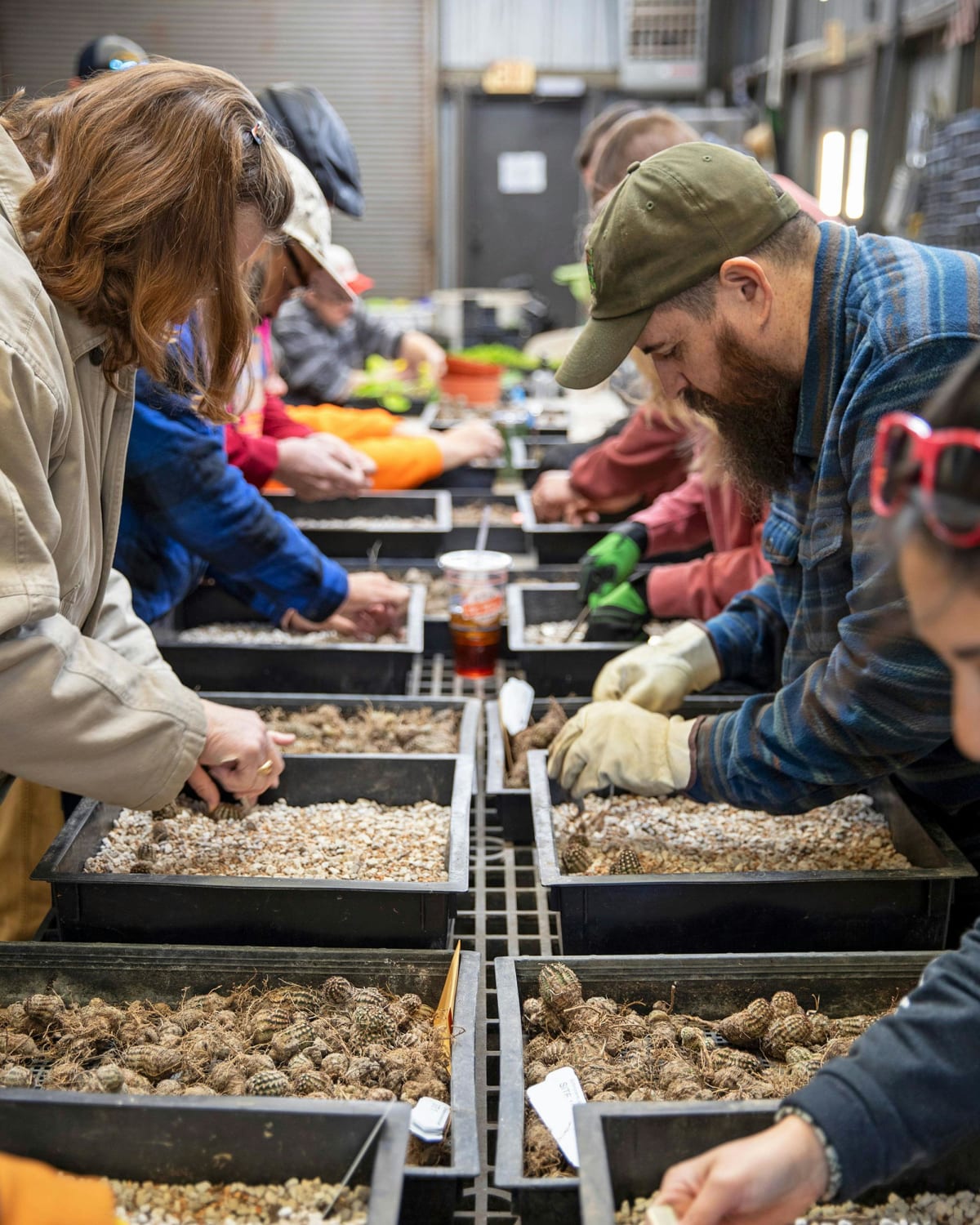
On a chilly February morning, thirteen volunteers armed with orange Home Depot buckets fanned out across the 30,000-acre site. The group included botanists, cactus enthusiasts from the San Antonio Cactus and Xerophyte Society, and San Miguel staff members working side by side.
"I've never done anything close to this scale. It's a profound thing," says Michael Eason, vice president of conservation at the San Antonio Botanical Garden. His team is carefully transplanting and propagating each rescued cactus with plans to replant them once mining concludes.
The entire reclamation project will likely continue into the mid-2030s. San Miguel worked through extensive permit revisions with the Railroad Commission of Texas, U.S. Fish and Wildlife Service, and private landowners to ensure full compliance with the Endangered Species Act, even though none of it was legally required.
The Ripple Effect
This voluntary conservation effort shows what's possible when companies look beyond legal minimums. The rescued cacti will eventually return to restored habitat, potentially securing the future of an entire inland population of this rare species.
McKinney puts it simply: "These are natural resources with intrinsic value to us. Once we lose it, it's gone."
One endangered species is getting a second chance, bucket by bucket.
More Images


Based on reporting by Google: species saved endangered
This story was written by BrightWire based on verified news reports.
Spread the positivity!
Share this good news with someone who needs it