Mining Giant Builds Pilbara's First Wind Farm by 2027
Fortescue Metals just broke ground on Western Australia's first wind farm in the Pilbara, bringing renewable energy to one of the country's biggest mining regions. The 17-turbine project targets completion in 2027 and could help slash emissions from iron ore production.
A mining giant is proving that heavy industry and clean energy can work together in one of Australia's harshest environments.
Fortescue Metals started construction this month on a 133-megawatt wind farm near Nullagine, about 1,360 kilometers northeast of Perth. The project marks the first wind farm ever built in Western Australia's Pilbara region, home to some of the world's largest iron ore operations.
The timing matters. Mining in the Pilbara produces more than 40 percent of Western Australia's total carbon emissions, mostly from diesel-powered trucks, excavators and trains moving materials from pit to port.
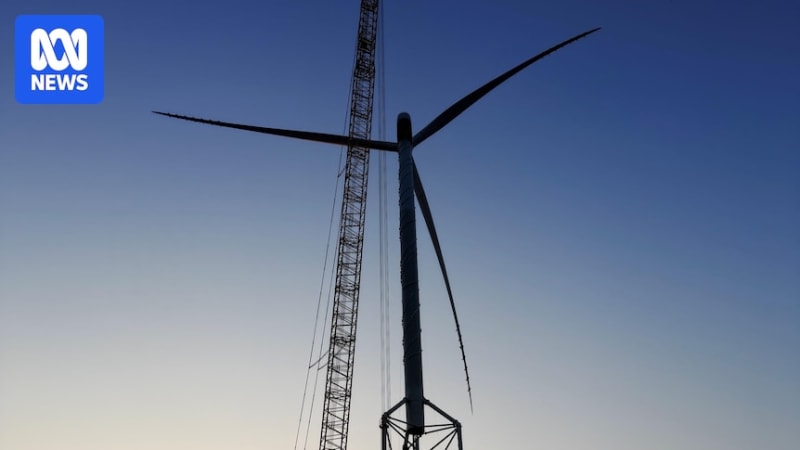
The 17 turbines will stand 277 meters tall, making them the tallest in Australia. CEO Dino Otranto explained that the extra height generates more power with fewer turbines, cutting costs while producing the electricity needed to run Fortescue's growing fleet of electric mining vehicles.
What makes wind special in the Pilbara is when it blows. While solar panels go dark at sunset, strong winds kick up during late afternoon and evening hours, creating round-the-clock renewable power when paired with solar arrays.
Currently, less than 2 percent of the Pilbara's energy comes from renewable sources. This wind farm aims to change that equation.
The turbines come with a world-first design feature: they're built to survive cyclones and extreme heat, two defining characteristics of Northern Australia's climate. The specialized engineering addresses one of the biggest concerns about renewable infrastructure in remote, harsh environments.
The Ripple Effect
Fortescue isn't stopping with one wind farm. The company hopes this project becomes "the first of many" as other mining operations see proof that renewable energy can handle industrial demands in extreme conditions.
Ray Wills, managing director of Future Smart Strategies, called Fortescue a "global best practice leader" in operational decarbonization. While he noted challenges around cost and the expensive fly-in, fly-out workforce required for remote projects, the company is showing competitors that the transition is possible.
The shift to renewable power helps mining companies stay competitive as global markets increasingly demand lower-carbon products. Cheaper electricity from wind and solar means lower production costs for iron ore and future green iron products.
When the wind farm comes online in 2027, it will prove that even industries known for heavy emissions can transform how they power their operations.
More Images


Based on reporting by ABC Australia
This story was written by BrightWire based on verified news reports.
Spread the positivity!
Share this good news with someone who needs it