Mining Town's 'Underground' Joey Carer Saves Orphaned Roos
In a remote Australian mining town, Anthony Ostigh cares for orphaned joeys without official licenses because the nearest registered wildlife carer is 100km away. His work highlights a growing problem: licensing for wildlife care has become so difficult that many passionate volunteers operate "underground" to save native animals.
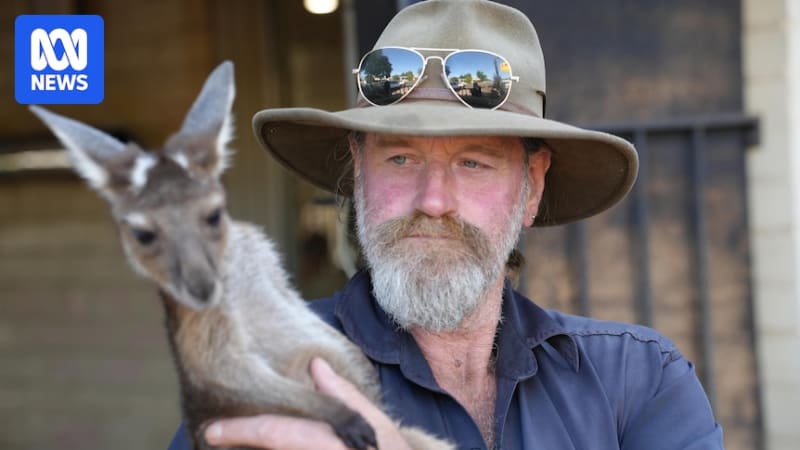
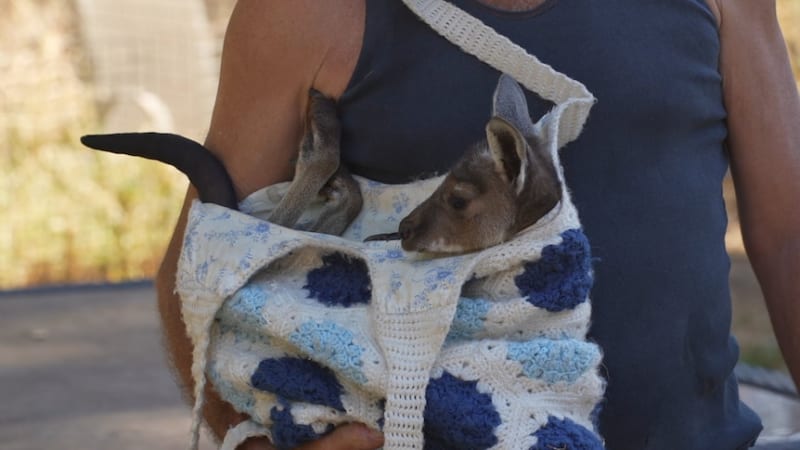
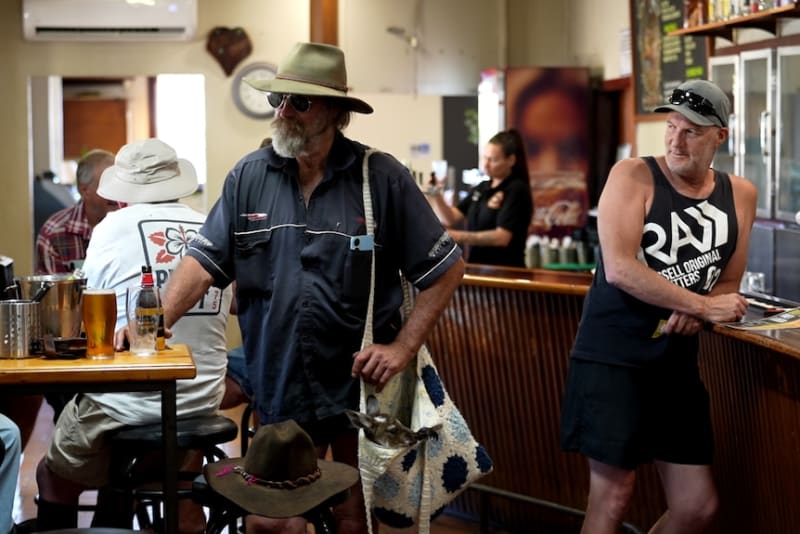
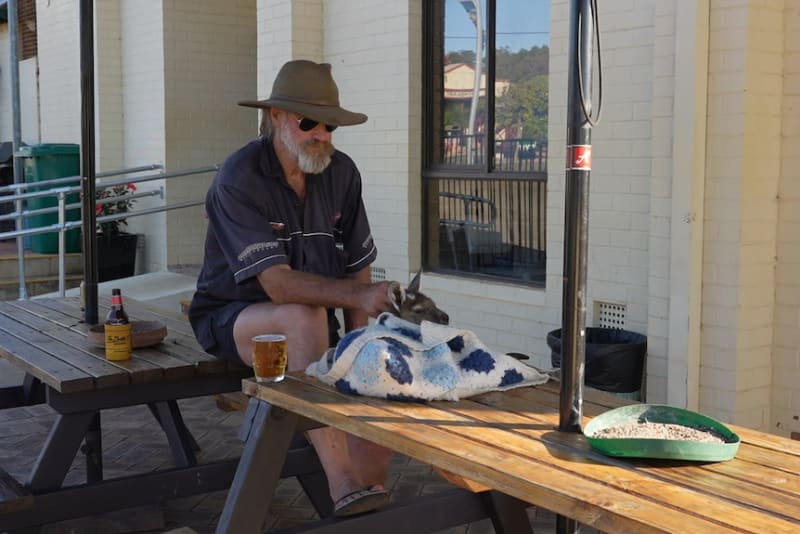
When a joey's mother is hit by a car in Boddington, Western Australia, there's only one person locals call: Anthony "Oz" Ostigh, who walks through town with a crochet bag holding orphaned kangaroos.
Ostigh isn't a registered wildlife carer, which is required by law in Western Australia. But in his mining town 130km southwest of Perth, he's the only option since the nearest licensed carer is over 100km away.
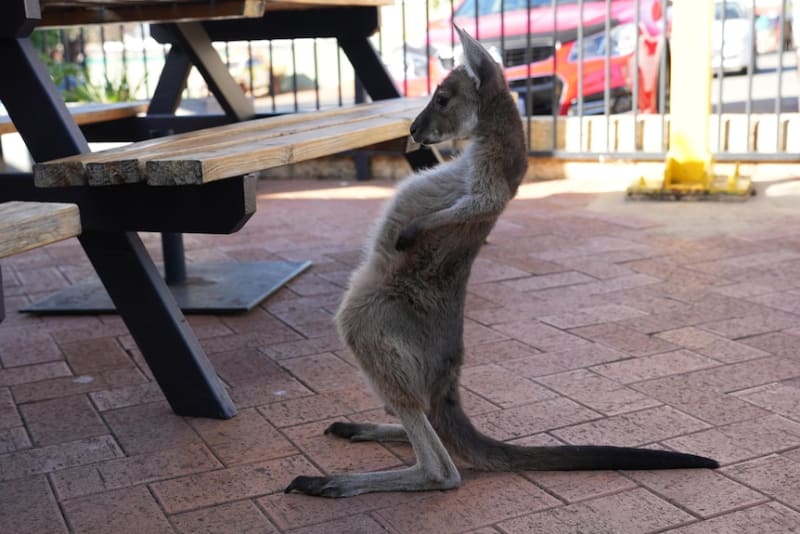
His current charge is Roofus, an eight-month-old joey who was found as a "pinky" in his deceased mother's pouch. A local brought the tiny orphan to Ostigh, who has raised several joeys over the years with skills he learned as a boy.
"They follow you everywhere. They want the attention, they come up for their cuddles," Ostigh said. When the joeys reach 12 to 18 months old, he releases them back into the wild.
In the early months, Roofus accompanies Ostigh everywhere, including the local pub and grocery store. The joey needs frequent feeding, so he travels in a pouch-like bag while Ostigh runs errands.
Publican Julie McNamara says animals needing care are common in Boddington. "It's not abnormal to have someone that comes through with a sheep on a leash or a goat on a leash," she said.
Even tough miners covered in tattoos stop to pat Roofus at the pub. Patron Lou Chapman says Ostigh makes him proud to be a local because he shows people where to bring injured animals.
The Ripple Effect
Ostigh represents a hidden network of "underground" wildlife carers across Australia. Kim Mitchell, founder of Roo Rescue and a registered carer, says licensing has become increasingly difficult to obtain.
"It shouldn't be that hard, it's not rocket science," Mitchell said. The rigorous process forces many passionate carers to work without official clearances because animals need immediate help.
Mitchell warns that without these unofficial volunteers, massive numbers of native animals would die. "We're only doing it because it's a calling and the animals need us and there is nowhere else for them to go," she said.
The Department of Biodiversity, Conservation and Attractions doesn't condone informal care but offers temporary care arrangements. People can apply to temporarily possess injured or abandoned wildlife until it recovers and can be released.
For now, Ostigh continues his quiet work in Boddington, one orphaned joey at a time, filling a gap that bureaucracy hasn't yet solved.
More Images
Based on reporting by ABC Australia
This story was written by BrightWire based on verified news reports.
Spread the positivity!
Share this good news with someone who needs it