Minneapolis Builds Community Defense After George Floyd
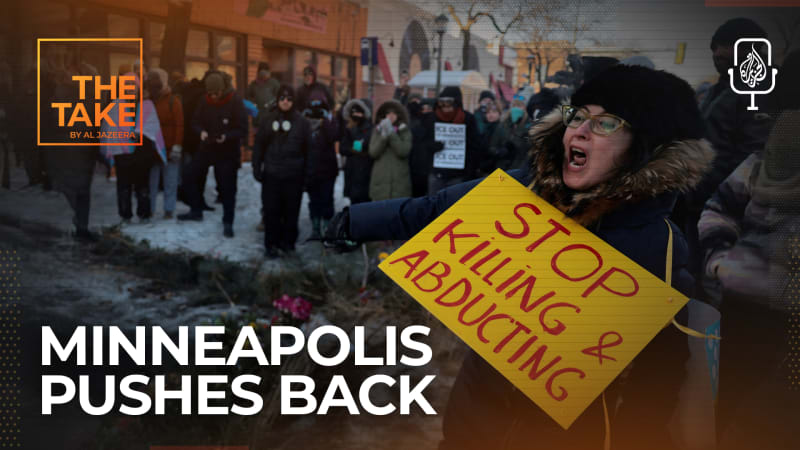
After tragedy struck during immigration enforcement, Minneapolis activists are transforming grief into action. Drawing on lessons from 2020, the city is building networks to protect neighbors and respond rapidly to crises.
When federal immigration agents fatally shot observer Alex Pretti, Minneapolis didn't retreat. The city mobilized instead, activating rapid response networks that now protect vulnerable community members across neighborhoods.
Local organizers are building something remarkable from hard-earned experience. After George Floyd's murder in 2020 sparked global protests, Minneapolis learned how to coordinate community defense at scale.
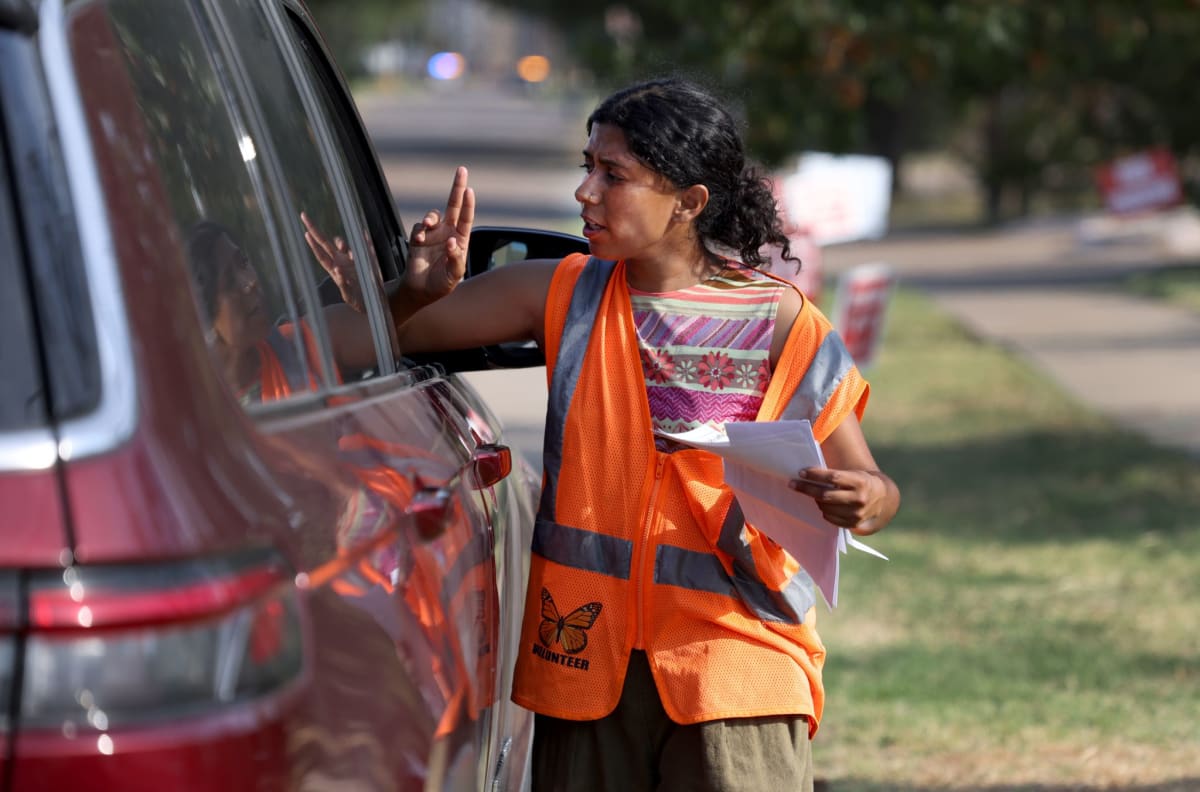
Today, those lessons are powering a new movement. Rapid response networks connect volunteers who can arrive within minutes when immigration enforcement appears in their neighborhoods. Mutual aid groups provide immediate support to families affected by raids or detentions.
Marcia Howard, president of the Minneapolis Federation of Educators and community steward of George Floyd Square, helps coordinate these efforts. Her organization connects teachers, parents, and community members who watch out for each other's children and families.
The system works through neighborhood observers who alert networks the moment federal agents arrive. Volunteers then rush to document encounters, offer legal support, and ensure no one faces immigration enforcement alone.
Why This Inspires
Minneapolis is proving that communities can turn pain into protection. Instead of letting fear divide neighborhoods, residents are knitting tighter bonds of mutual support.
The networks don't just respond to immigration enforcement. They're creating lasting infrastructure for community care that helps with everything from food security to emergency childcare. When one neighbor needs help, dozens more show up.
These aren't professional organizers or politicians leading the charge. They're teachers, parents, and everyday residents who decided their community deserved better than living in fear.
The model is already inspiring other cities to build similar rapid response systems. What started as crisis response is becoming a blueprint for how neighbors can protect each other.
Minneapolis is showing America what solidarity looks like in action.
Based on reporting by Al Jazeera English
This story was written by BrightWire based on verified news reports.
Spread the positivity!
Share this good news with someone who needs it