Minneapolis Volunteers Raised $1.5M for Immigrant Neighbors
When thousands of Minneapolis immigrant families faced economic crisis this year, neighbors responded by raising over $1.5 million in rent relief and feeding 430+ households. Grassroots groups like Juntos Podemos continue organizing fundraisers and distributing groceries, proving community support endures even as headlines fade.
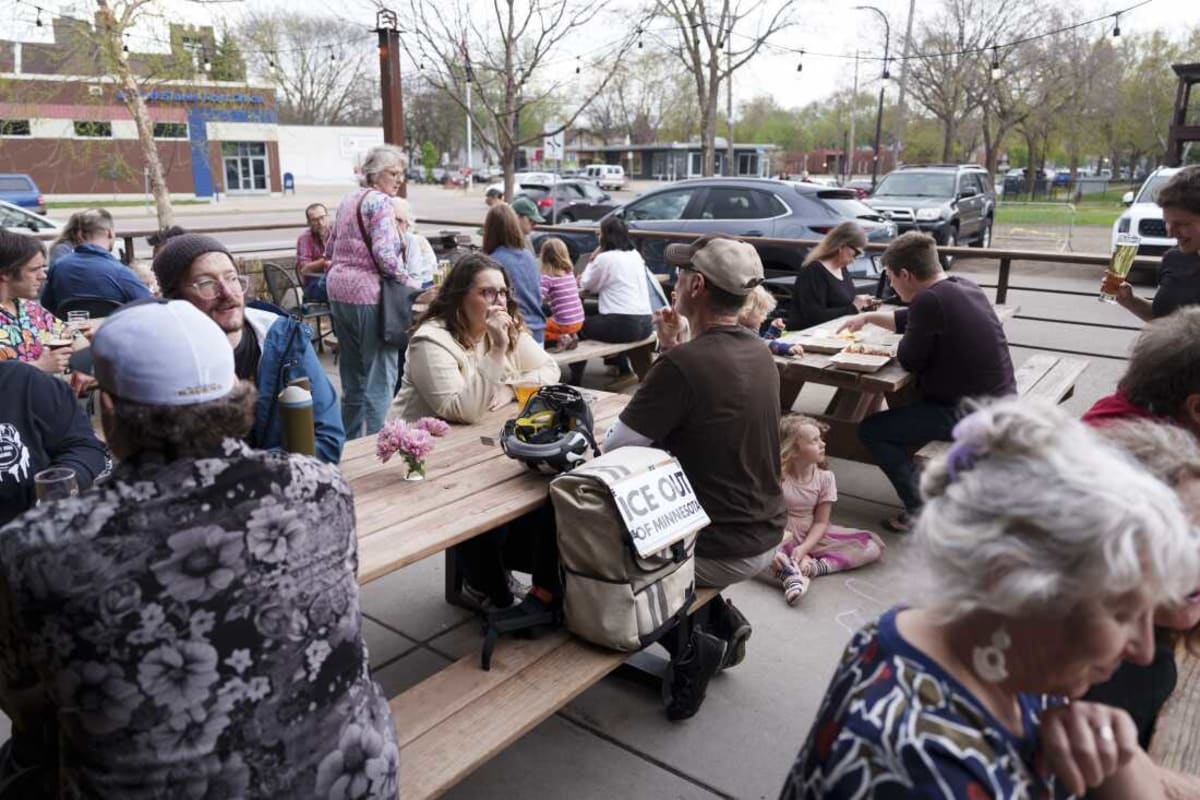
When Anaí Tepozteco watched the donation tracker climb at her April fundraiser, she saw something bigger than the $15,000 raised that night at a south Minneapolis brewery. She saw a community refusing to abandon neighbors in crisis.
Tepozteco co-founded Juntos Podemos, a volunteer mutual aid group that has helped hundreds of immigrant families recover from economic hardship after Minneapolis faced a turbulent winter. The group distributes groceries and pays rent for families struggling to get back on their feet.
The numbers tell a powerful story of neighbor helping neighbor. Alexandria Guzman Gomez's grassroots rent relief effort has raised over $1.5 million since January, paying rent for hundreds of families in the Phillips neighborhood. Sulia Altenberg's Powderhorn neighborhood group helped more than 230 households stay housed, recently distributing $300,000 from two local foundations.
"We were able to help people when they needed it most," Altenberg said. Her group carried donations in a backpack, going door to door to deliver relief directly to neighbors.
These volunteers aren't professional aid workers. They're community members who saw a need and organized fundraisers, collected donations, and showed up week after week to distribute food and financial support.
The Ripple Effect
The mutual aid movement in Minneapolis shows how ordinary people can create extraordinary impact when they work together. Over 430 families have received direct support from just these three grassroots efforts alone.
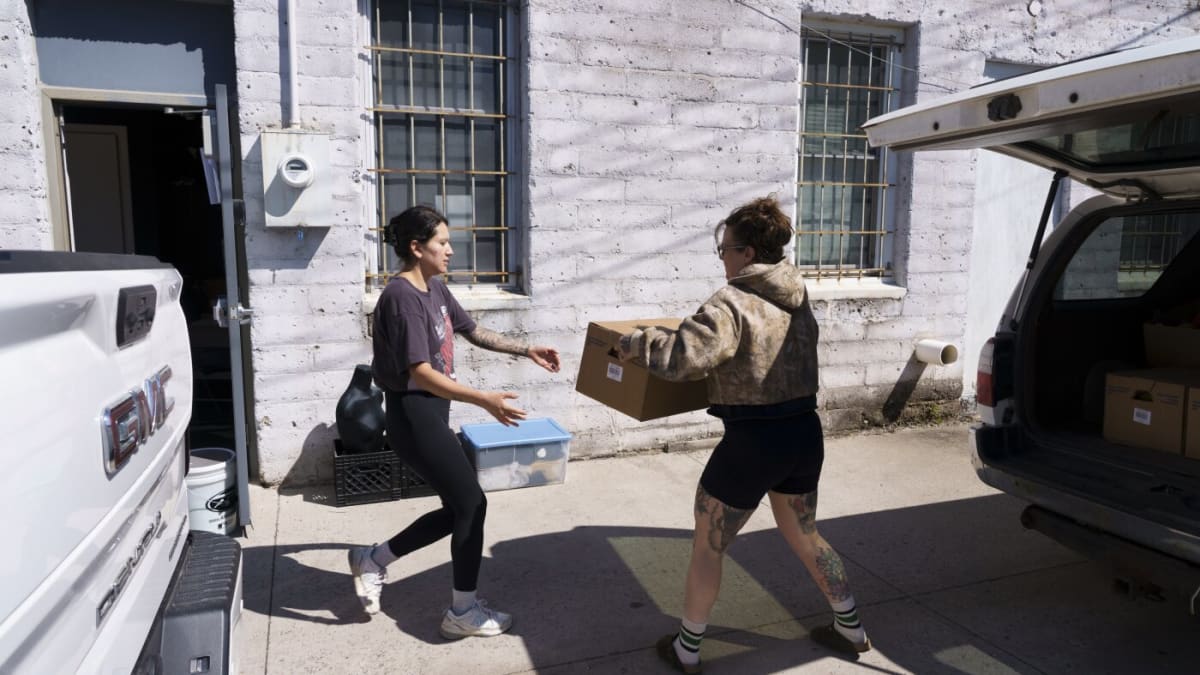
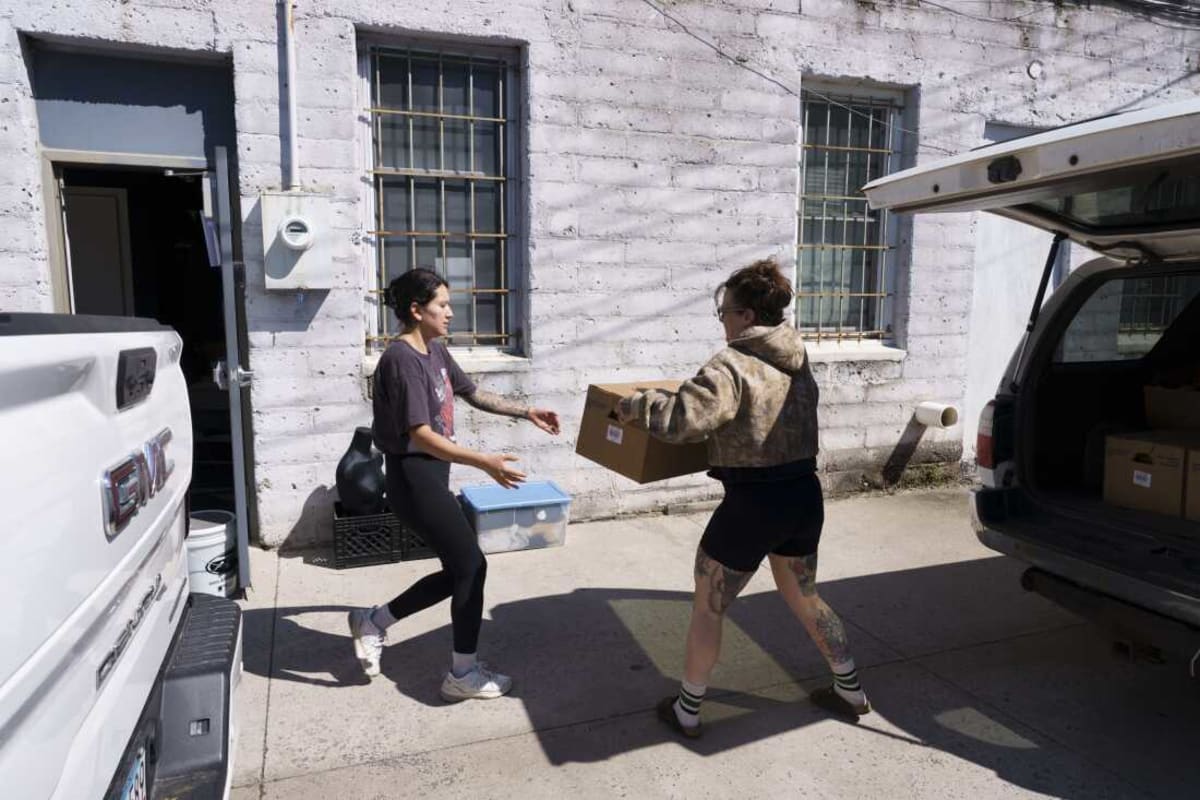
Volunteers like Tania Fischer and Carissa Coudray still carry boxes of food into local businesses that serve as distribution points. They're adapting to sustaining long-term support rather than crisis response, seeking steady donors and building relationships with foundations.
The model is inspiring communities nationwide facing similar challenges. When official systems feel inadequate, neighbors can build their own safety nets through mutual aid networks that provide immediate, dignified support.
These groups prove that community care doesn't require massive budgets or government programs. It requires people willing to organize fundraisers, knock on doors, and show up for neighbors month after month.
As Tepozteco mingled at her brewery fundraiser, watching community members bid on silent auction items and donate what they could, she embodied the heart of mutual aid: we take care of each other, period.
More Images


Based on reporting by Google: volunteers help
This story was written by BrightWire based on verified news reports.
Spread the positivity!
Share this good news with someone who needs it